
What to Know Before Investing in a Rental Property
April 15, 2026
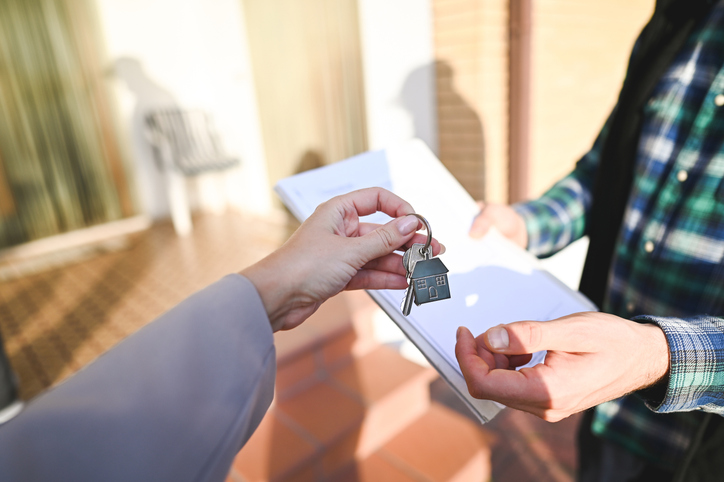
Even amid inflation and interest rates higher than historical norms, real estate remains a sure investment. “The Wall Street Journal recently reported that in this booming housing market, many homeowners earned more last year from home appreciation than from their jobs,” says Philip White, CEO of Sotheby’s International Realty.
Purchasing an investment property and then renting it out often provides you with more than enough money to pay the property’s mortgage.
If you’re unsure of where to start, here’s everything you need to consider before buying a rental property.
Determine Affordability First
Before you purchase an investment home, you need to be honest about whether you have the finances to do so and the time to commit to property management.
The first thing you’ll need to determine before investing is how much potential income it could provide. There’s a widely-accepted guideline known as the 1% Rule: the monthly rent should be 1% of the purchase price. If a home costs $200,000, then rent should be $2,000 per month.
“Run the numbers like a business. Higher prices are here to stay, so instead of waiting for prices to drop, find the properties that have cash flow,” says Nicole Rueth, founder of The Rueth Team, a mortgage lender. “They’re out there; I know because I’m helping investors find them. If it doesn’t have cash flow on paper, don’t buy it.”
Since your property may not always have renters, it’s important to make sure you can still pay that mortgage and all of your other expenses without relying on monthly rent payments. To avoid financial strain during vacancies, it’s best to have at least two months’ worth of expenses saved.
Work With a Professional
Realtors and professional property managers can help you with the ins and outs of investing in a specific market. “They can help connect you with an expert who can advise on local tax laws and, especially if you’re looking to invest internationally, visa programs that might be available to you,” says White.
Even if you decide to work with a real estate agent, familiarize yourself with the neighborhood you’re buying in. Drive around yourself and look for sales signs, as well as check real estate listings online. Assess proximity to good schools, review nearby commercial and recreational areas, and evaluate the area’s overall aesthetic appeal and safety.
Learn the Rules
No matter where you decide to purchase property, it’s crucial to look into the various regulations and laws that exist in each state or country. “In the city of Naples, you can rent your property for a minimum of 30 days, three times a year,” says Belz. “But if you get just outside the city of Naples, we have a number of neighborhoods without rental restrictions.” An experienced agent will know about these restrictions and can help steer you in the right direction.
To reduce regulations and costs, look for desirable neighborhoods and homes without Homeowners Association (HOA) fees. If you have the time and resources, don’t be afraid of choosing a fixer-upper either. While a fixer-upper will have renovation costs, it can be worth it if you negotiate and save on the asking price.
Manage Your Investment Personally
To eliminate costs on your end, you may opt to manage the property yourself. This is convenient if you live in the area and can stop by the home quickly if needed. But if you don’t live nearby or care to manage your property and tenants personally, then a property management company can help provide the services necessary to keep your investment profitable.
Property managers can also draw on years of experience, such as recommending higher security deposits, pet deposits, and thorough background checks. “Don’t just assume self-managing saves you money,” Ruth says. “If managing tenants stresses you out, costs you time, or makes you hate investing, you’re paying a price either way.”
Find the Right Tenants
Even if they look good on paper, screening tenants thoroughly upfront can save you time and money later. You’ll want to verify their current employer and income, contact previous landlords, and run a criminal background check. If anything concerning arises or doesn’t feel right, move on to the next applicant. Ultimately, it’s your decision who you rent to, but a bad experience with tenants can significantly damage your property and diminish your return on investment.
Even if you choose to manage your property personally, a property management company can still help with drafting rental agreements. It’s well worth the cost to have a professional make sure the lease includes everything it should. The more you establish upfront in your lease, the better experience you’ll have with your tenants in the long run.
Presentation and Upkeep
Properties that generate the most revenue are usually those that have been recently updated. “By far the best way to maximize your return is having a really well-kept property,” Belz says. “It sounds obvious, but it’s critical.” Hiring a professional photographer for listing photos is also highly recommended.
Investors often put little work into a property after purchase, but when tenants move out, upkeep is just as important. Between renters is the best time to plan deep cleaning, new paint, pest control, addressing deferred repairs, and other design considerations, such as bathroom remodels.
Even with the best tenants, wear and tear will occur over time. Investors need to prepare for these in-between tenant costs, which can range from appliance upgrades to a new roof.
Managing just one property can quickly become a part-time job. You can utilize Insureyouknow.org to keep track of expenses, tenant leases, maintenance schedules, and any other documents involving property management. By treating your investment like a business, property management will become second-nature, making it possible for you to invest in even more over time.