
Tag: Budgeting
Save on Everyday Expenses Like a Financial Expert
October 15, 2026

If the cost of everyday living is overtaking your paycheck, you can take steps to get a handle on your finances and reduce financial stress. A recent study by Edward Jones and Gallup found that 83% of Americans experienced financial stress, strain, or uncertainty within the last year. Half of the respondents said they were not in a financial crisis, but were not fully confident.
The first step to feeling more in control of your financial situation is figuring out whether your income covers all your expenses. It seems simple, but the sooner you look at your budget, the more options you’ll have to make the most of your money.
Creating a Better Budget
Every budgeting method follows the same basic principle: making sure your spending doesn’t exceed your income. Creating a budget lets you see where you can cut spending.
“Seeing where your money is going every day can make you aware of unnecessary purchases that you may be making,” says Jennifer McDermott, a consumer advocate at finder.com. “Plus, cutting out those extra daily purchases can help you put aside more money for the future.”
First, be realistic about what you actually spend and how much you can save each month. Don’t set your savings goal too high and then feel deprived. By grouping your spending into categories, you can easily see where you are spending too much. Also plan for the occasional curveball, and always keep some funds set aside for emergencies.
Auditing Your Subscriptions
A recent CNET poll found that the average American is spending $111 monthly on unused subscriptions. Taking time to review your monthly charges and cancel services you’re not using could free up significant money for your budget and savings.
“Grab some paper or make a spreadsheet and list any recurring expenses that you might be able to cut,” says Byron Ellis, a certified financial planner with United Capital Financial Life Management. “Also list any high expenses that you might be able to reduce.”
Don’t just look at recurring streaming charges. Review your insurance policies and any memberships, such as a gym. If you rarely go to the gym, consider canceling and using free online workout classes and walking more outside instead. Many services allow you to pause your subscription without canceling if you’re hesitant to let something go altogether.
Having Savings Goals
You will be far more motivated to save if you set clear and achievable savings goals for yourself. Instead of just trying to save a certain amount of money, a savings goal helps you remember what you’re saving for. Whether it’s buying a new home, paying off student loan debt, or starting a business, figuring out exactly how much you need and how long it will take is the first actionable step.
Then, set up a recurring direct deposit into your savings account. “Automate weekly savings for small amounts you won’t miss, even as little as $10 or $20 per week,” says Andrea Woroch, a nationally recognized consumer expert. “These small amounts will build quickly over time, and you will learn to live without those extra funds.” By shopping around, you can find a savings account with the best interest rates, which can really boost your savings too.
Cutting Costs at Home
According to the Energy Saving Trust, lowering the thermostat by just one degree Celsius (about two degrees Fahrenheit) can cut your annual bill by up to 10%. Turning off heating or cooling in unused rooms, or programming the temperature to adjust accordingly, can noticeably reduce your energy costs. Switching to LED bulbs can also significantly reduce your home’s lighting costs. Modern LED lightbulbs last up to 25 times longer than traditional lightbulbs and use about 70% less energy, making them worth the upfront investment.
Make sure you’re unplugging everything when it isn’t being used, including TVs, laptops, coffee makers, and cable boxes. In fact, the U.S. Department of Energy estimated that leaving these unused appliances plugged in can account for 5–10% of the average home’s electrical use. “They continue to suck energy even when turned off, which adds to your energy bill,” says Woroch. In certain areas, power strips make it easier to turn off multiple electronics at once, such as at a desk or TV area.
Saving on Fuel
Speeding, accelerating quickly, and braking at the last minute all increase fuel consumption. Properly inflated tires help you get the most out of each tank, and regular servicing can prevent a more expensive repair down the road.
With a fuel price comparison app, you can easily find the lowest fuel prices near you. Reader’s Digest recommends using GasBuddy or the navigation apps you likely already use, including Google Maps and Waze. Even small savings can add up for frequent drivers.
Rethink Social Activities
Talk with your family and friends about your financial stress and the changes that may need to happen at home. Loved ones can be great listeners and may help you find creative ways to save money. According to a Forbes poll, 59% of people said they need to save more money, so your friends are likely in the same boat. Try taking turns hosting potluck dinners or game nights, which are much cheaper than going out to a bar or restaurant.
Meal planning for your weekly dinners in advance can also lead to serious savings on groceries and eating out. Having homemade meals to look forward to can help you avoid the mid-week takeaway temptation. If you and your spouse or partner are on a budget, you can encourage each other by sticking to your savings plans and coming up with creative, low-cost activities you’ll both enjoy.
At Insureyouknow.org, you can keep track of your budget and savings goals in one place. By taking control of your finances, you can ease financial stress and start looking forward to the goals you’ll achieve down the line.
Saving for Turbulent Times: Why You Need Rainy Day Funds
September 15, 2026
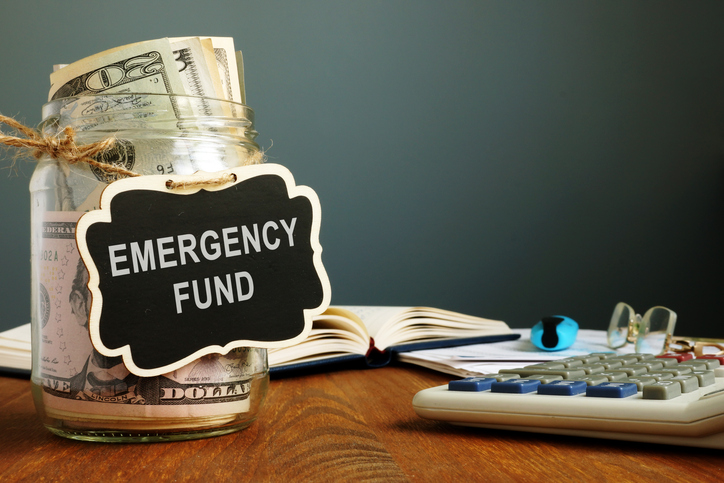
A car repair you did not see coming. A medical bill that insurance does not fully cover. A broken appliance that cannot wait until next month. Unexpected expenses have a way of arriving at the worst possible time. You may not be able to predict when these costs will appear, but you can prepare for them. A rainy day or emergency fund gives you money to draw from when something goes wrong, helping you cover an urgent expense without immediately turning to a credit card or loan.
According to a 2026 survey by Secure Save, nearly 25% of respondents reported having absolutely no emergency funds saved, while over half reported being under high financial stress. Having savings put aside for a rainy day may not alleviate all of your financial stress, but it can help significantly.
“People with emergency savings have a higher level of financial well-being and spend less time thinking about and dealing with their finances,” says Paulo Costa, a Behavioral Economist at Vanguard. “Having that buffer available lets them prepare for the unexpected and avoid the worry and financial stress.”
Staying Out of Trouble
A recent survey by NerdWallet found that nearly 40% of Americans say they are already planning on using a credit card or other loan to cover their expenses this year. But an emergency fund can help with surprise expenses. Instead of having to take out a loan, build up debt, or start falling behind on your bills, you can rely on the money you proactively saved.
When it comes to the unexpected cost of not having an emergency fund, yet another unforeseen issue is retirement leakage. This happens when people withdraw from their retirement savings accounts early in order to cover expenses. A quarter of Plan Advisor’s respondents reported having already had to reduce, pause, or borrow from their retirement this year.
How Much to Save
Most experts suggest setting aside 3 to 6 months of basic living costs, which include all of your housing, food, and transportation expenses. If you don’t know what your saving goal should be, the 3-6-9 rule can help you determine how many months of expenses you should save up for.
If you are a renter, do not have children, and have a steady paycheck, then you should save up three months of take-home pay. But the most common target is six months of pay, and it applies if you have children, a mortgage, or a two-income household. The rule is that even if just two of those apply to you, you should still plan to save up for six months of expenses.
If you or your partner are self-employed or work freelance, then you need to save up nine months of expenses. Because your income is unpredictable, an unexpected bill can have a more significant effect on your finances. An adequate savings fund can give you peace of mind and protect your career. Some major expenses, combined with a few slow months, could force you back into an unwanted 9-5 position.
Know Your Budget
It can be difficult to know what your savings target should be if you haven’t taken the time to budget your expenses. Begin by calculating your monthly income, then list all your expenses.
The general budgeting rule is 50/30/20, where 50% of your income goes towards needs. For most people, allocating the remaining 30% to wants and 20% to savings and debt repayment is a good baseline.
You should also review your budget to make adjustments when needed. Periodic check-ins like this can also help you save money by eliminating subscriptions you no longer need or switching to companies with better deals.
Saving Strategies
If your savings target feels too big, start small. Choose an initial modest goal of $500 or $1,000. When you reach your first goal, reward yourself. Taking a moment to recognize what you’ve accomplished before setting your next target will help you build momentum to keep saving.
If you have a regular paycheck, setting up automatic monthly transfers to your savings account is an easy way to save. Even just $50 a month will add up quickly.
Other times, you may have an influx of money from the sale of a home or vehicle, a family inheritance, or a holiday or birthday gift. But for most Americans, their tax refund is the largest check they receive all year. While these large lump sums of money can be tempting to spend at once, putting at least a portion aside can help you build an emergency fund instantly.
There is no single way to save, nor a perfect amount to have saved up. Everyone’s situation is unique, but the most important step is to start. Saving something up is always better than saving nothing.
“The data clearly show that emergency savings are a cornerstone of financial well-being. By prioritizing these savings, individuals can significantly reduce financial stress and improve their overall financial health,” says Costa.
At Insureyouknow.org, you can do all your emergency fund planning in one place, review your budget, and set new savings targets. By saving up for life’s unexpected events, you can become financially resilient.