
Saving for Turbulent Times: Why You Need Rainy Day Funds
September 15, 2026
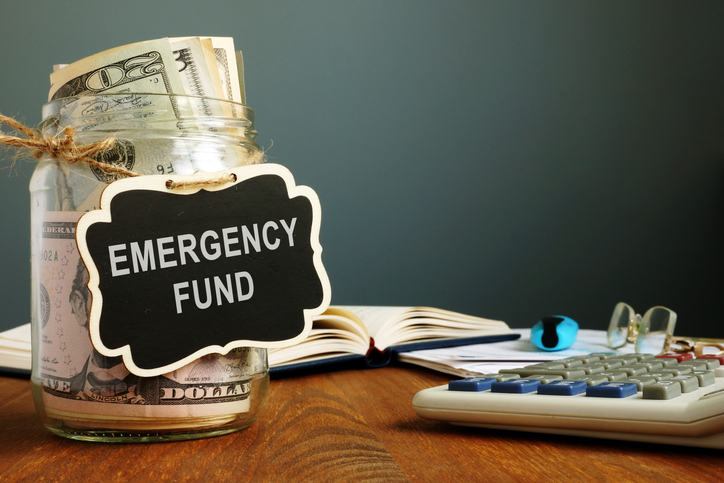
A car repair you did not see coming. A medical bill that insurance does not fully cover. A broken appliance that cannot wait until next month. Unexpected expenses have a way of arriving at the worst possible time. You may not be able to predict when these costs will appear, but you can prepare for them. A rainy day or emergency fund gives you money to draw from when something goes wrong, helping you cover an urgent expense without immediately turning to a credit card or loan.
According to a 2026 survey by Secure Save, nearly 25% of respondents reported having absolutely no emergency funds saved, while over half reported being under high financial stress. Having savings put aside for a rainy day may not alleviate all of your financial stress, but it can help significantly.
“People with emergency savings have a higher level of financial well-being and spend less time thinking about and dealing with their finances,” says Paulo Costa, a Behavioral Economist at Vanguard. “Having that buffer available lets them prepare for the unexpected and avoid the worry and financial stress.”
Staying Out of Trouble
A recent survey by NerdWallet found that nearly 40% of Americans say they are already planning on using a credit card or other loan to cover their expenses this year. But an emergency fund can help with surprise expenses. Instead of having to take out a loan, build up debt, or start falling behind on your bills, you can rely on the money you proactively saved.
When it comes to the unexpected cost of not having an emergency fund, yet another unforeseen issue is retirement leakage. This happens when people withdraw from their retirement savings accounts early in order to cover expenses. A quarter of Plan Advisor’s respondents reported having already had to reduce, pause, or borrow from their retirement this year.
How Much to Save
Most experts suggest setting aside 3 to 6 months of basic living costs, which include all of your housing, food, and transportation expenses. If you don’t know what your saving goal should be, the 3-6-9 rule can help you determine how many months of expenses you should save up for.
If you are a renter, do not have children, and have a steady paycheck, then you should save up three months of take-home pay. But the most common target is six months of pay, and it applies if you have children, a mortgage, or a two-income household. The rule is that even if just two of those apply to you, you should still plan to save up for six months of expenses.
If you or your partner are self-employed or work freelance, then you need to save up nine months of expenses. Because your income is unpredictable, an unexpected bill can have a more significant effect on your finances. An adequate savings fund can give you peace of mind and protect your career. Some major expenses, combined with a few slow months, could force you back into an unwanted 9-5 position.
Know Your Budget
It can be difficult to know what your savings target should be if you haven’t taken the time to budget your expenses. Begin by calculating your monthly income, then list all your expenses.
The general budgeting rule is 50/30/20, where 50% of your income goes towards needs. For most people, allocating the remaining 30% to wants and 20% to savings and debt repayment is a good baseline.
You should also review your budget to make adjustments when needed. Periodic check-ins like this can also help you save money by eliminating subscriptions you no longer need or switching to companies with better deals.
Saving Strategies
If your savings target feels too big, start small. Choose an initial modest goal of $500 or $1,000. When you reach your first goal, reward yourself. Taking a moment to recognize what you’ve accomplished before setting your next target will help you build momentum to keep saving.
If you have a regular paycheck, setting up automatic monthly transfers to your savings account is an easy way to save. Even just $50 a month will add up quickly.
Other times, you may have an influx of money from the sale of a home or vehicle, a family inheritance, or a holiday or birthday gift. But for most Americans, their tax refund is the largest check they receive all year. While these large lump sums of money can be tempting to spend at once, putting at least a portion aside can help you build an emergency fund instantly.
There is no single way to save, nor a perfect amount to have saved up. Everyone’s situation is unique, but the most important step is to start. Saving something up is always better than saving nothing.
“The data clearly show that emergency savings are a cornerstone of financial well-being. By prioritizing these savings, individuals can significantly reduce financial stress and improve their overall financial health,” says Costa.
At Insureyouknow.org, you can do all your emergency fund planning in one place, review your budget, and set new savings targets. By saving up for life’s unexpected events, you can become financially resilient.