
Category: Homeowners Insurance
Fire, Flood, or Theft: Are Your Documents Actually Safe?
December 10, 2025
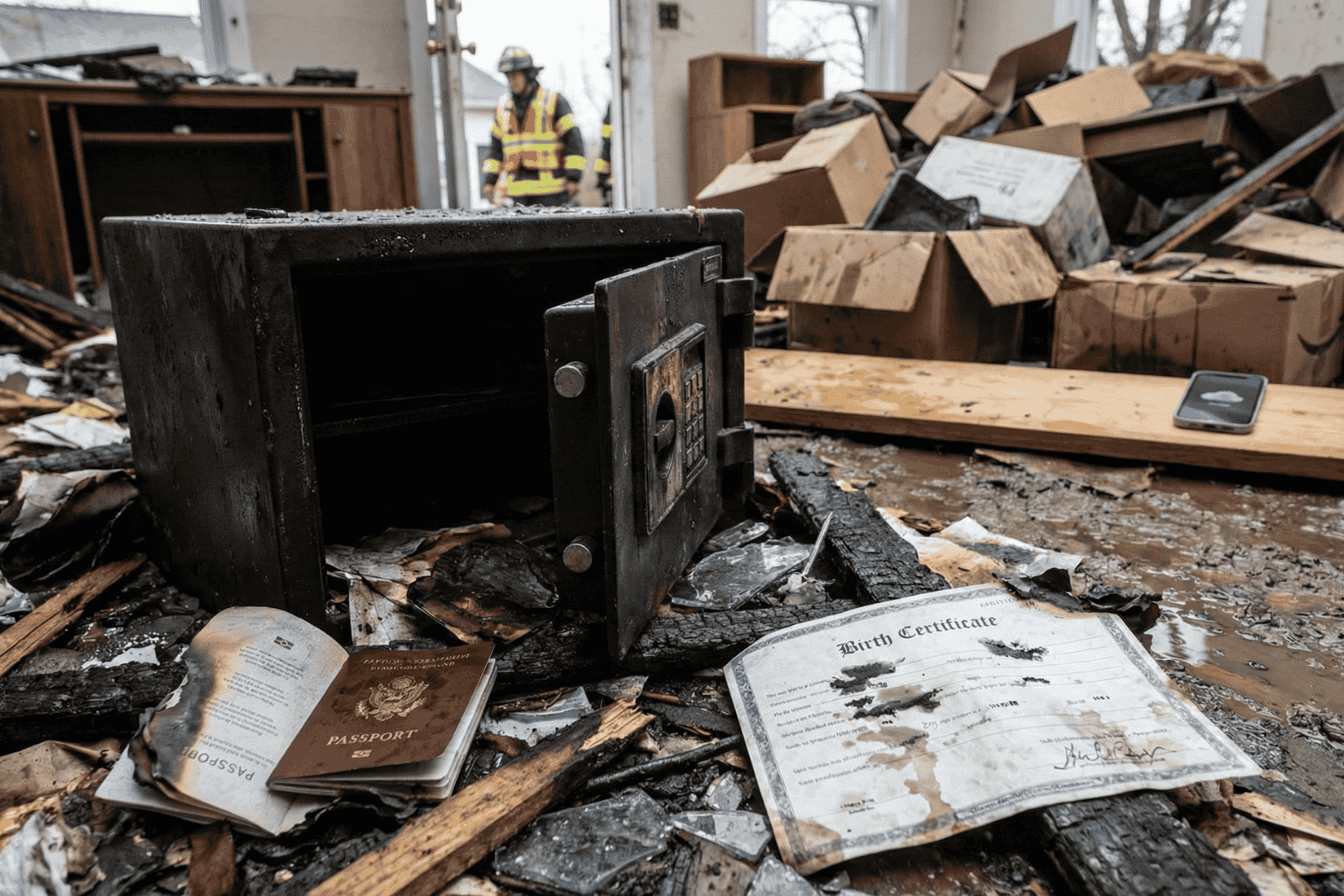
We all have that one spot.
Maybe it’s a dedicated drawer. Maybe it’s a filing cabinet. Or, if you’re feeling responsible, it’s a heavy metal box shoved in the back of the master closet. You toss your birth certificates, the deed to the house, and the passports in there. You lock it. You think, “Done. That’s safe.”
We obsess over the expensive stuff. We insure the car. We put a giant rubber case on the new phone. We hide the jewelry. But we hardly ever stop to think about the paperwork.
Here is the cold, hard truth: If a disaster levels your house, losing the TV is just an inconvenience. You go to the store. You buy another one.
But losing the paper trail that proves you exist? That isn’t an errand. That is a nightmare.
So, take a good, hard look at your setup. Is it actually secure? Because that “safe spot” might just be the most dangerous place in your home.
The Great “Fireproof” Lie
You bought a safe. It has a sticker on the front that says FIREPROOF in big, bold, reassuring letters. You trust it.
But dig into the fine print. Most of those boxes you buy at the hardware store aren’t actually fireproof. They are fire-resistant.
It sounds like splitting hairs, but it matters. Usually, that resistance only buys you about 30 minutes. Maybe an hour if you spent the big bucks. But house fires don’t check their watch. If a fire burns hotter or longer than that rating, the inside of that safe becomes a kiln. The paper inside doesn’t just get warm; it cooks.
And then, there is the water.
How do you put out a fire? With thousands of gallons of high-pressure water. Or maybe the disaster is a flood. Most consumer safes aren’t sealed tight. They leak. So, you might survive the flames only to crack open your safe and find a brick of wet, unreadable pulp where your will used to be.
The Identity Trap
Picture the week after a major disaster. Your home is gone or uninhabitable. You are stuck in a hotel room. You need to access your bank account, file an insurance claim, and maybe apply for emergency aid.
But your ID was in the house.
It starts a loop that will drive you up the wall. You need a driver’s license to get a certified copy of your birth certificate. But wait—you need a birth certificate to get a replacement license. You need proof of residency to talk to the bank, but your utility bills burned up with the filing cabinet. You end up stuck, unable to prove you are who you say you are, right when you need access to your money the most.
If Two Guys Can Lift It, It’s Gone
Burglars are lazy, but they aren’t stupid. They know exactly where people keep the goods.
If you haven’t bolted that safe into the concrete foundation, it isn’t a safe. It’s a takeout box. A thief isn’t going to stand there fiddling with the combination lock like in the movies. They are just going to pick it up, walk out the door, and crack it open later in their garage.
Sure, they want the cash or the watches. But once they have your Social Security card? They have hit the jackpot. Identity theft is a much deeper hole to dig out of than simple robbery. You can replace a stolen laptop in a day. Cleaning up a stolen identity takes years of fighting with credit bureaus.
The Only Real Fix: Get It Off-Site
Paper is fragile. It burns, it tears, it rots, and it fades. Relying on a single physical copy of anything important is a gamble.
The only way to win is to put a copy where the fire can’t burn it and the thief can’t grab it. You have to go digital.
This is why InsureYouKnow.org exists. It isn’t just about storage; it’s about survival.
- Your Phone is the Key: If you have to evacuate in ten minutes, you don’t need to grab the heavy paperwork. You just need your phone. All your policy numbers, medical records, and deeds are right there.
- Real Security: We aren’t talking about a random Google Drive folder. We are talking about encryption that keeps your data locked down. Only you have the key.
- The “What If” Plan: If something happens to you, your family doesn’t have to tear the house apart looking for the life insurance policy. You can set it up so they get access exactly when they need it.
What You Need to Scan Today
Don’t go crazy scanning every grocery receipt. Focus on the “High Value” targets. If losing it would ruin your month, scan it.
- The “Who Am I” Docs: Birth certificates, passports, Social Security cards.
- The “What I Own” Docs: The house deed, car titles, huge asset receipts.
- The Money: A cheat sheet with bank account numbers and credit card hotlines.
- The Protection: Declarations pages for your home, auto, and life insurance.
- The Legacy: Wills, Trusts, and Power of Attorney forms.
The Bottom Line
A physical safe is great for storing a spare set of car keys or a watch. But it shouldn’t be the only thing standing between you and total chaos.
Backing up your life on a secure digital vault is the cheapest insurance policy you will ever buy. It costs almost nothing, takes a few minutes, and ensures that no matter what happens to the house, your life remains intact.
Don’t wait for the emergency. Handle it now.
Moving Into a New Home? Important Documents to Update and Store
November 12, 2025

The day you move into a new home is always a blur. There are boxes everywhere, someone’s hunting for the screwdriver, and the Wi-Fi isn’t working yet. Between excitement and exhaustion, paperwork usually ends up in a pile somewhere, the “I’ll deal with it later” pile.
That pile matters more than it seems. Hidden inside are the documents that prove ownership, protect your investment, and make sure you’re covered if life throws a surprise your way. Spending even half an hour getting it sorted now can save weeks of hassle later.
Here’s an easy way to stay ahead of it all.
Step 1: Collect the Home Documents
Start with the basics: anything connected to the property itself.
The deed, the lease, closing papers, inspection reports, property taxes, the list’s not short, but every one of those pages has a job to do.
Keep them together. Snap photos or scan copies and upload them to a secure place such as InsureYouKnow.org. Paper can get lost, wet, or tossed out by mistake. A digital backup doesn’t.
Step 2: Update Every Insurance Policy
It’s easy to forget how many places your address lives: homeowners, renters, car, health, even life insurance. If you’ve moved, they all need an update.
A change of address sometimes shifts coverage or premiums. Check each policy, make sure everything looks right, and store a copy in your vault. When you actually need those papers, you won’t have to dig through drawers.
Step 3: Review Finances and Bills
Moving tends to scatter money trails. One bank has your old address, a credit card statement goes missing, and a subscription quietly keeps charging the wrong account.
Before things snowball, log in to each account, banks, credit cards, utilities, and loan providers, and double-check that your information’s current. Grab a recent statement or two and save them. Come tax season, you’ll be glad you did.
Step 4: Fix the ID and Legal Stuff
This is the least exciting part, but it matters. Out-of-date identification can make the simplest tasks harder.
Head to the DMV, update your license, change your voter registration, and check your vehicle paperwork. If you’ve moved to a different state, renew your passport details too. Take a quick photo of each ID and tuck it safely into your digital folder, one less worry if a wallet ever goes missing.
Step 5: Round Up Family and Pet Records
Families (and pets) come with paperwork of their own: school transcripts, vaccination cards, medical histories, and adoption or license documents.
Put them all in one place. Upload copies so you can reach them instantly when someone needs a school form or a vet asks for proof of shots. It’s one of those tiny habits that saves time again and again.
Step 6: Check Estate and Emergency Documents
A new home changes the big picture. If you own more now than before, or live in a different state, some legal documents might need attention.
Look at your will, trust, and power of attorney. Make sure beneficiaries are still correct and that addresses match. Upload those to your vault and share access only with the people you absolutely trust. That small act can spare family members confusion later.
Step 7: Why Digital Storage Beats a Drawer of Folders
Paper doesn’t last forever. It fades, tears, and somehow always disappears when you’re in a hurry. Digital storage, especially a secure platform like InsureYouKnow.org, keeps everything in one spot, encrypted and easy to reach from anywhere.
You can label folders, set reminders for renewals, and grant limited access to family or advisors. It turns chaos into order, quietly, efficiently, without any stress.
A Quick Reality Check
Moving is a mix of energy, emotion, and endless details. Once the boxes are gone and the house starts to feel like home, take an hour, grab that pile of paperwork, and go through it.
Scan, upload, label, done. Then forget about it for a while.
It’s not the glamorous side of homeownership, but it’s the one that keeps everything running smoothly. A little organization now means fewer surprises later, and that’s worth more than any new piece of furniture.
From “Promise to Pay” to “Promise to Help – The New Direction of Insurance
October 9, 2025

Insurance used to be pretty straightforward. Something went wrong, a claim was filed, and the company paid out. It was businesslike, dependable, but distant, a transaction built on the idea that help came only after things fell apart.
That mindset is slowly disappearing. Modern insurers are moving from a simple promise to pay toward something broader, a promise to help. It’s a quiet shift, but a powerful one. Instead of showing up after the storm, insurance is learning how to stand beside people before it hits.
What’s Changing and Why
A few years ago, the idea of an insurer sending out real-time alerts or helping clients avoid accidents might have sounded ambitious. Now it is becoming normal. Several forces are pushing this transformation forward.
Customer expectations have changed.
People want services that respond in the moment, not days later. They want their insurer to feel like a partner, not a policy. If their fitness app can track every heartbeat, they wonder why their insurer cannot send a simple safety reminder when a major storm is on the way.
Technology made prevention possible.
Connected homes, smart cars, and wearable tech give insurers tools to spot problems before they happen. It is no longer just about predicting who might file a claim, it is about helping them avoid needing one.
Competition sparked a rethink.
Digital-first insurers, often smaller but more agile, have proven how personal and convenient insurance can be. Established companies are learning to adapt, realizing that loyalty now comes from service, not slogans.
Trust is back in the spotlight.
In truth, insurance has always depended on trust. But trust today is earned differently, not just by paying out quickly, but by showing up early, being transparent, and actually making life a bit safer.
How the “Promise to Help” Looks in Practice
It is easy to forget that most people do not want to think about insurance at all. The “promise to help” changes that by offering useful touchpoints that matter in everyday life.
- Sending storm or flood alerts before damage happens.
- Helping drivers plan safer routes or spot maintenance issues.
- Offering healthy-living rewards that lower costs and build good habits.
- Providing quick repair or recovery options instead of endless paperwork.
- Checking in after an event, not with forms, but with guidance and reassurance.
It is still insurance, but it feels different, more human, more present.
Challenges on the Way
No big change comes without friction. Some insurers still struggle with old systems that do not talk to each other. Others are cautious about how much personal data they collect, and rightly so. Privacy is not just a legal issue, it is emotional.
There is also the challenge of tone. Helping customers without seeming intrusive takes care and empathy. A message that is meant to be helpful can easily feel like surveillance if it is poorly timed or worded.
But the companies that get this balance right are setting a new standard. They are showing that care and commerce can actually coexist.
What This Means for Policyholders
For policyholders, this new direction means fewer surprises and better peace of mind. Instead of being left on their own until something breaks, customers now get small but meaningful touches of support along the way.
They see their insurer less as a faceless institution and more as a partner in protection, a brand that does not just cover life’s troubles but helps prevent them. That sense of security, before and after a crisis, is what builds lasting trust.
How Insurers Can Keep the Promise
To make the shift sustainable, insurers will need to do more than upgrade technology. They will have to reshape how they think about service itself.
- Focus on listening. Every great service begins with understanding real needs.
- Keep technology human. Data is helpful, but empathy is irreplaceable.
- Be transparent. People should always know how and why their data is used.
- Work together. Partnerships with health, home, and repair services make help more real.
- Deliver small wins. A helpful reminder or quick response builds more loyalty than a billboard ever could.
These small, consistent actions turn a new promise into a lived experience.
A More Human Kind of Protection
The shift from a “promise to pay” to a “promise to help” is not just clever branding, it is a sign of maturity in the industry. Insurance is finding its way back to what it was meant to be: a source of reassurance in uncertain times.
When help arrives before the loss, customers notice. When it comes with understanding instead of fine print, they remember. That is how insurance stops being something people tolerate and starts becoming something they genuinely trust.
And maybe that is the kind of promise worth keeping.
How to Organize Insurance Documents for Easy Access and Safety
September 10, 2025
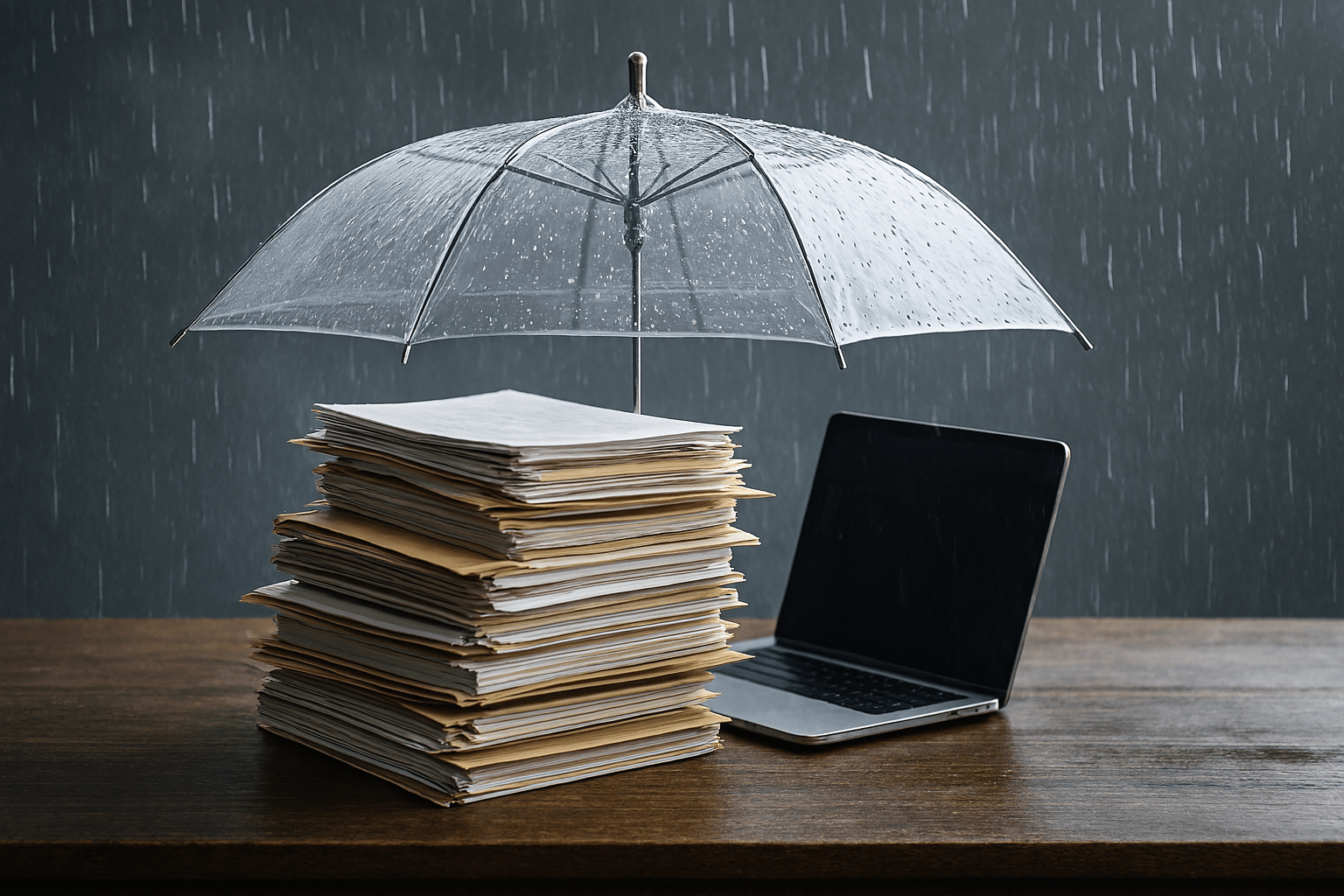
Insurance papers have a sneaky way of vanishing. One day they’re on the desk. The next, they’re wedged behind a stack of bills nobody has touched in months, or stuffed into a drawer labeled vaguely “Important Stuff.” Most people think, “I’ll deal with it later.” And then life happens. A fender-bender in the rain, a surprise hospital visit, or a leaky pipe turning the living room into a swamp. Suddenly finding the right document is like searching for buried treasure. Who remembers which folder holds the car insurance from two years ago? Or the health policy hidden behind envelopes untouched since last spring? That’s exactly why InsureYouKnow.org exists. It keeps everything safe, organized, and ready exactly when it’s needed.
Quick Access When Stress Hits
Emergencies never arrive at convenient times. Picture this: rainy night, minor car accident, and the insurance card is nowhere. People start digging through drawers, piles of mail, or folders labeled vaguely, hoping to locate it. Classic mistake. With a secure online vault, all documents are accessible in seconds. No panicking. No frantic calls. Just calm access. That little sense of relief feels huge when stress is already sky-high.
Filing Claims Without Losing Your Mind
Claims are tricky. Forms, receipts, proof of loss. Lose even one, and hours of frustration appear out of nowhere. Even a tiny missing receipt can ruin the whole process. Digital organization keeps everything in one spot. Users can grab exactly what they need without running around like headless chickens. It’s like laying out all the puzzle pieces before trying to finish the picture. No guessing, no stress, no muttering under your breath.
Keeping Policies Up-to-Date
Insurance policies aren’t static. A new car, updated health coverage, or moving across town can change everything. Digital storage allows instant updates. Platforms like InsureYouKnow.org even send reminders for renewals or payments. It’s like having a tiny assistant who never forgets anything. Honestly, who wouldn’t want that?
Sharing Documents Safely
Sometimes family members, partners, or legal representatives need access to documents. But full access isn’t always safe. A secure vault allows selective sharing. Only authorized people see what they need. Sensitive information stays private. Confusion is avoided. One less thing to stress over when life is hectic. Trust me, that matters more than it seems.
Protecting Against Loss or Damage
Paper is fragile. Documents can be lost, stolen, or damaged by floods, fires, or even small accidents like spilling coffee on a stack of papers. Digital storage prevents all that. Even if life throws a mess your way, records remain safe. A few minutes of setup now can prevent hours of headache later. Classic mistake avoided.
How InsureYouKnow.org Helps
Binders, filing cabinets, or random computer folders are full of human errors. InsureYouKnow.org provides a secure online vault for insurance policies, banking info, retirement accounts, legal papers, and more. Everything is encrypted, password-protected, and easy to locate.
Getting started is simple:
- Sign up for an account.
- Upload all important documents.
- Set reminders for updates or renewals.
- Share selected documents only with trusted people.
Final Thoughts
Insurance isn’t just about paying premiums. It’s about being prepared. Disorganized documents increase stress and slow claims when time is critical. Organizing digitally saves time, reduces frustration, and ensures accessibility. Spending just a few minutes today uploading documents to InsureYouKnow.org can prevent hours of stress tomorrow. Small step, big peace of mind.
Is Your Home Ready for Extreme Weather?
January 1, 2025
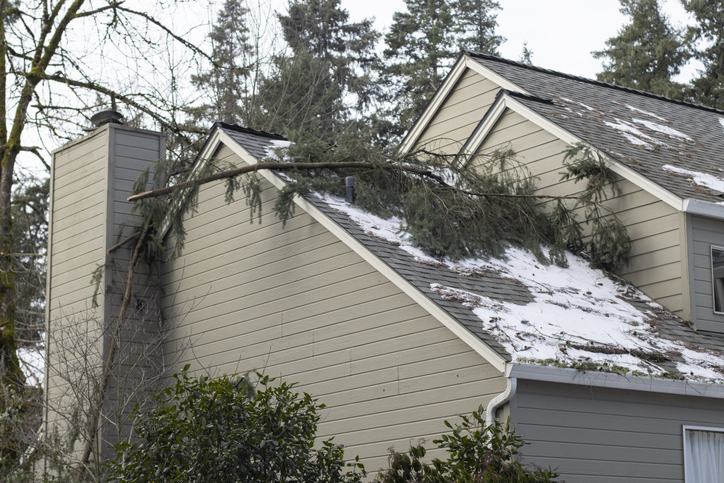
From wildfire season with smoky air to higher temperatures and unexpected blackouts during freezing temps, the reality of extreme weather conditions is causing homeowners to better prepare their homes. While every homeowner should feel safe at home, a recent survey by Certain Teed revealed that less than 48% of people feel confident in their home’s durability in the face of extreme weather.
The good news is that smart updates will bring peace of mind and add value to your home. While some projects cost more money and time than others, there are several that require less of an upfront investment. No matter your budget, here are five easy home improvement areas to consider to protect your home and feel safer during weather events.
HVAC Systems Can Protect Against Temperatures and Poor Air Quality
Because people spend 90 percent of their time indoors, the quality of your home’s indoor air is crucial to the quality of your home life. One way homeowners can prepare for extreme weather and climate events is to make sure they have a reliable and well-maintained HVAC system in place. While it can be difficult to predict when climate-related issues may happen, an HVAC system can maintain inside temperatures, withstand harsh weather outside, and provide filtration that improves indoor air quality no matter what unfolds.
Preventative maintenance on your HVAC system and changing the filter every 30 to 90 days will help prolong the life and quality of your investment. Keeping your system at or above 64 degrees Fahrenheit during the colder months also helps prevent expensive issues like frozen and burst pipes.
Choose the Right Roofing Materials For Your Climate
Roof upgrades significantly increase your home’s resilience as well as its value. “The roof is the first line of defense on a home,” says Teed Lucas Hamilton, manager of applied building science at Certain. “It is important to select the right materials for your climate,” he says. Impact-resistant roofing, solar reflective shingles to combat rising temperatures, and fire-resistant materials are all things to consider when choosing roofing materials. In areas where strong wind is a possibility, hurricane fastening and straps can also further secure your roof.
When updating the roof, take into account the gutters. Simple add-ons like leaf filters help prevent blockages so that water doesn’t back up during heavy rainfall. When flooding is a concern, gutters should direct drainage away from the home’s foundation. Too much water around the foundation can lead to serious structural issues in the future, such as cracks in the foundation. A sump pump, which runs automatically to keep water out of basements and away from the foundation, is another wise investment in areas with heavy rain and storms.
Consider Window Updates or Replacements
In areas where debris impact is an issue, shutters that can cover existing windows ahead of a storm can safeguard a home during large storms. Impact windows, which have a heavy-duty frame and glass that’s engineered to remain intact even if it breaks in a collision, are another option, but depending on the number of windows your home has, they can get expensive.
Less expensive alternatives to shutters and window replacements include sealing existing windows and applying tints.
“First, use caulk to seal up any holes and cracks on the outside. Then apply weatherstripping and use a window or door insulation kit to block the cold and heat from the inside,” Hamilton says. “These changes help strengthen the barrier between your home and the outdoors, saving on heating and cooling and keeping the elements outside.”
Applying window tinting is another example of an inexpensive update that can block up to 80% of summer solar heat while also keeping some heat inside during winter months. Updates such as these protect from weather and increase energy efficiency by creating a better barrier between your home and the outside elements.
Make Simple Exterior Updates
Steel doors, which are made of more durable materials than some more elaborate door styles, upgrade a home’s entry points by withstanding storms. When certain updates, such as replacing every window in the house, are not in your budget, replacing the home’s main entry points with stronger doors can be a good place to start.
Changing the color of your exterior paint is another affordable update that can help with temperature control. “You might think that choosing the exterior color of your home is only about picking what color you like best,” says Angie Hicks, co-founder of Angi, formerly known as Angie’s List. “The climate you live in is crucial to picking the right color.”
In hot climates, light colors will help to reflect the sun and keep the interior cool, while those who live in climates prone to extreme colds should choose darker tones to retain heat better.
Maintenance is Key to Safeguarding Your Property
With increased extreme weather events, your home could be damaged slowly over time. It becomes more important to inspect your home for changes and keep up on maintenance to prevent larger repairs and damage down the road. Checking your roof after storms, such as noting any cracks, sagging, or debris in the gutters, is an important part of keeping your roof resilient during the next event. Trees around your home should also be checked for cracks in large branches or soggy soil around the roots, as those should be addressed to prevent damage in a future storm. Gutters should also be cleared regularly to prevent blockages, as well as collect debris from the yard that could become projectiles.
Insureyouknow.org Make sure you’re aware of how your community issues weather alerts. While some use outdoor sirens, others depend on media and smartphones to alert residents of severe storms. No matter what kind of hazards your community may be prone to, the National Weather Service recommends developing a plan with your family ahead of time, such as knowing where your emergency meeting place is or where the safe room is in your home. Safe rooms are usually those without windows at the lowest level of your home. In the event that your home is compromised, Insureyouknow.org can protect all of your vulnerable paper documents by ensuring digital access, providing you with one less thing to worry about so that you may focus on the safety of yourself and your loved ones.
Preparing for a Flood Before Disaster Strikes
October 15, 2022
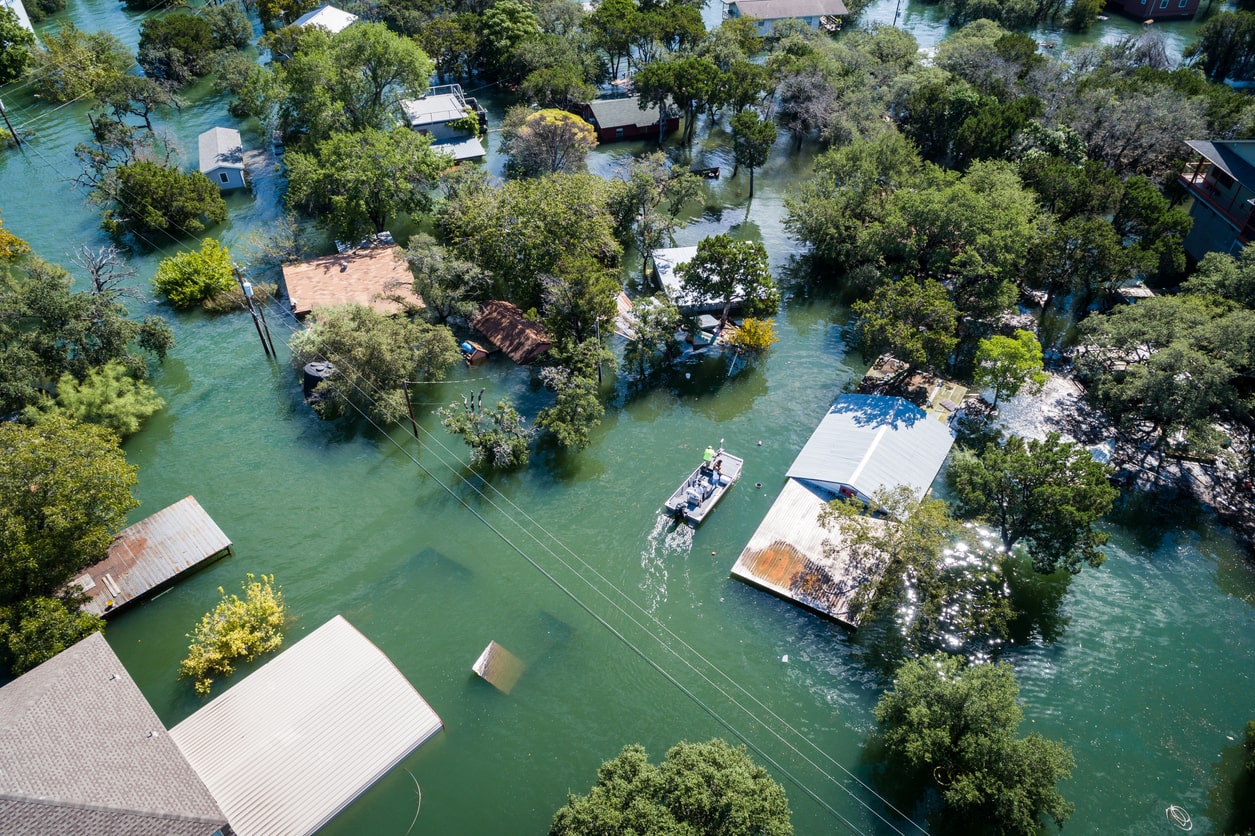
Flooding is the most common and most damaging natural disaster in the country. In Florida, where Hurricane Ian’s floodwaters turned towns into rivers, flood risk is higher due to the state’s frequency of storms and proximity to water. Despite this, most insurance policies do not automatically cover flooding. No matter where you live, you should check your auto and homeowner’s or renter’s insurance policies as an initial step in preparing for a flood to keep you and your loved ones safe when a flood interrupts your lives.
Determining Your Risk Level
To find out the risk level of your property location, visit FloodSmart.gov/Flood-Map-Zone.
Because research has found that FEMA’s flood maps underestimate the danger in some areas as climate change advances, homeowners and renters unaware of their level of risk should act on the following points:
- Are you in a flash-flood-prone area? Contact the local county geologist or county planning department to find out if your home is in a flash-flood-prone area or a landslide-prone area.
- Make a communication plan and a disaster plan for your family.
- Plan and practice a flood evacuation route with your family. Ask an out-of-state relative or friend to be the “family contact” in case your family is separated during a flood. Make sure everyone in your family knows the name, address, and phone number of your contact person.
- Stay informed. Learn about your community’s emergency plans, warning signals, evacuation routes, and locations of emergency shelters.
- Inform local authorities about any special needs, such as elderly or bedridden people, or anyone with a disability.
Preparing Your Home for a Flood
- Make sure you secure or protect any hazards in your home before the flood strikes.
- Be prepared to turn off electrical power when there is standing water, fallen power lines, or before you evacuate. Turn off gas and water supplies before you evacuate. Secure structurally unstable building materials.
- Buy a fire extinguisher if you don’t already have one. Make sure your family knows where it is and how to use it.
- Buy and install sump pumps with backup power.
- Have a licensed electrician raise electric components (switches, sockets, circuit breakers, and wiring) at least 12″ above your home’s projected flood elevation.
- For drains, toilets, and other sewer connections, install backflow valves or plugs to prevent floodwaters from entering.
- Anchor fuel tanks can contaminate your basement if torn free. An unanchored tank outside can be swept downstream and damage other houses.
Creating an Emergency Supply Kit
Stock your home with supplies you may need during the flood by creating an emergency supply kit. Visit the CDC’s Personal Health Preparedness page for a list of supplies you’ll want to include in your kit.
Preparing Food and Water Supplies
Make sure you and your family have enough safe food and water (for drinking, cooking, and bathing) available in the event of a flood. For more information, visit Food and Water Needs: Preparing for a Disaster or Emergency.
Reentering Your Flooded Home
When returning to a home that’s been flooded after natural disasters such as hurricanes, tornadoes, and floods, be aware that your house may be contaminated with mold or sewage, which can cause health risks for your family. See the Centers for Disease Control and Prevention’s guidelines for reentering your flooded home.
Reviewing Flood Insurance Options
Although you can purchase flood insurance at any time, waiting until a hurricane or major storm is threatening your home may be too late. Many policies take at least 30 days after purchase to take effect.
The National Flood Insurance Program is a pre-disaster flood mitigation and insurance protection program designed to reduce the escalating cost of disasters. This program makes federally backed flood insurance available to residents and business owners. Standard flood insurance by the National Flood Insurance Program generally covers physical damages directly caused by flooding within the limits of the coverage purchased. Private providers may have higher limits or broader coverage compared to National Flood Insurance Program policies.
Regardless of which policy you select for your business or family, any coverage is better than none. If your property experiences flooding impacts from a disaster, it is not guaranteed you will be able to receive federal assistance. If your area has not received a Presidential Disaster Declaration that makes federal assistance available under FEMA, you will not receive federal assistance.
When there is an official Presidential Disaster Declaration, National Flood Insurance Program policyholders are encouraged to apply for FEMA disaster assistance in addition to their flood insurance claim. For more information, visit National Flood Insurance Program or call1-800-621-FEMA.
Filing a Flood Insurance Claim
Flood insurance claims can be filed anytime you experience flooding on your property and can cover both a property and its contents.
If you need to file a flood insurance claim, be informed and prepared so that recovery can move quickly and smoothly. Before a disaster strikes, have updated photos of your home or business so that insurance providers can clearly examine your property and belongings. If your property has experienced flood impacts, take extensive photos of the damages before cleaning up. This will allow insurance providers to compare before and after photos to determine the extent of damages and arrange the best claim payment possible. As you’re cleaning, make a detailed list of lost or damaged items. If you have original receipts for items, hold onto those for documentation in your claim. After gathering all the necessary information, contact your insurance company to begin filing your claim.
InsureYouKnow.org
At InsureYouKnow.org, file your auto, and homeowner’s or renter’s insurance policies, photos before and showing flood damage, an inventory of your home and possessions, and your checklists of supplies needed for emergency events. If you are impacted by a flood, also keep track on this portal of your insurance claims and interactions with your insurance company and FEMA.
Do You Realize How “Precious” a Child Is?
September 15, 2022

The cost of raising a child through high school has risen to $310,605 because of inflation that is running close to a four-decade high, according to an estimate by the Brookings Institution, a nonprofit public policy organization based in Washington, DC.
In 2017—years before the pandemic and during an extended period of very low inflation—the U.S. Department of Agriculture (USDA) projected that the average total expenditures spent on a child from birth through age 17 would be $284,594. This estimate assumed an average inflation rate of 2.2 percent and did not include the expenses associated with sending a child to college or supporting them during their transition to adulthood. Since 2020, the inflation rate has skyrocketed— 8.5 percent as of July 2022—partly due to supply-chain issues and stimulus spending packages that put more cash into Americans’ pockets. The Federal Reserve has now raised interest rates substantially to control inflation.
The multiyear total is up $26,011, or more than 9 percent, from a calculation based on the inflation rate two years ago, before rapid price increases hit the economy, reports the Brookings Institution.
The new estimate crunches numbers for middle-income, married parents, and doesn’t include projections for single-parent households, or consider how race factors into cost challenges.
Expenses
The estimate covers a range of expenses, including housing, education, food, clothing, healthcare, and childcare, and accounts for childhood milestones and activities—baby essentials, haircuts, sports equipment, extracurricular activities, and car insurance starting in the teen years, among other costs.
In 2019, the typical expenses to raise a child were estimated by the USDA as follows:
- Housing: 29%
- Food: 18%
- Childcare and Education: 16%
- Transportation: 15%
- Healthcare: 9%
- Miscellaneous (included Personal Care and Entertainment): 7%
- Clothing: 6%
Housing
Housing at 29 percent is the most significant expense associated with raising a child. The cost and type of housing vary widely by location. Other variables include mortgage or rent payments, property tax, home repairs and maintenance, insurance, utilities, and other miscellaneous housing costs.
Food
The cost of food is the second-largest expense, at 18 percent of the overall cost of raising a child. Over time, food prices have trended up, with food-at-home pricing increasing 12.1 percent and food-away-from-home pricing increasing by 7.7 percent from June 2021 to July 2022. The USDA expects rising costs for 2022, with increases as high as 10 percent and 7.5 percent, respectively.
Childcare and Education
Childcare and education expenses in 2019 accounted for 16 percent of the cost of raising a child, and it continues to increase.
The widespread acceptance by employers of remote work and letting employees work from home part or full-time has eased the burden of childcare costs for many families, cutting the cost by as much as 30 percent for some workers.
Education is a major expense when it comes to raising children. When it comes to kindergarten through high school, parents can choose between public and private schools. For private schools, the Education Data Initiative estimated that tuition costs an average of $12,350 per year. Associated costs, like technology, textbooks, and back-to-school supplies, could bring that up to $16,050. For a child to be in private school from kindergarten through eighth grade, the estimated cost could be about $208,650. Additional expenses for extracurricular activities such as sports, the arts—music, theater, and yearbook—and other clubs also add up and are accompanied by fees for participation, equipment, and travel, which have also increased due to inflation.
Healthcare
The total cost of a health plan is set according to the number of people covered by it, as well as each person’s age and possibly their tobacco use. For example, a family of three, with two adults and a child, would pay a much higher monthly health insurance premium than an individual.
Strategies
Raising children is rewarding and fulfilling to many people. But it’s also become very expensive. By preparing mentally and implementing financial planning strategies, you can be well-equipped to raise your child to adulthood comfortably, even on a budget.
InsureYouKnow.org
If you are a parent, you are responsible for raising your child and providing food, clothing, shelter, and security. Consider getting insurance coverage—including life, short- and long-term disability, and health insurance to avoid putting your family at risk financially in the event of unexpected hardship. To cope with the rising costs of raising children, live within your means, save money wherever possible, and shop around for home and auto insurance each year for the best deals. At insureyouknow.org, you can track your expenses to raise a child and file insurance policies that cover your family’s financial and healthcare needs.
College Graduates’ Guide to Insurance
May 31, 2022

Congratulations to college graduates everywhere as the graduation season kicks off in 2022! Homework continues, however, as grads meet the challenges presented by their next decisions—changing their residences, jobs, and insurance coverages. Even though this last item may not be as exciting as finding a new place to live or pursuing a lucrative career opportunity, the following options in insurance coverages are important issues that new college grads need to address.
Health Insurance
Since the passage of the Affordable Care Act (ACA), choosing new coverage—or holding on to existing coverage—has been much easier for college graduates who may decide to:
1. Remain on a parent’s insurance plan
Before the ACA was enacted, it was common for health insurance plans to drop dependents as soon as they graduated from college. But the ACA requires almost all health plans that offer dependent coverage to allow young adults to remain on a parent’s plan until they turn 26. So, for young adults covered under a parent’s plan, graduating from college no longer requires them to quickly find new health insurance.
2. Purchase a short-term plan
Short-term health insurance is a potential alternative for college grads who need temporary coverage to tide them over until another policy kicks in. Even for grads who have a job lined up right away, employers often have a waiting period before health insurance coverage is available to new hires. Short-term plans can be purchased at any time of the year, with immediate effective dates available.
3. Buy an ACA-compliant individual plan
For new grads who want a more robust, ACA-compliant plan that covers the essential health benefits and pre-existing conditions, a plan purchased through the state health insurance exchange is likely to be an ideal solution. For more information about marketplace insurance, visit www.healthcare.gov.
4. Check Medicaid eligibility
In 38 states, Medicaid has been expanded to cover all adults with income up to 138 percent of the poverty level. In 2022, that’s $18,754 for a single individual, except in Alaska and Hawaii where the limit is higher. Medicaid enrollment is available year-round and coverage includes pre-existing conditions. In most cases, there are no premiums. For a new grad living in a state where Medicaid has been expanded, this could be a perfect solution during the weeks or months that it might take to find a job after graduation.
5. Get coverage through a new employer
College grads may be able to enroll in group coverage at their new jobs. Employer-sponsored health insurance generally offers substantial benefits, and employers typically pay a large portion of the premiums. Employee contributions are paid through payroll deductions. Participants also may be eligible to enroll in a Health Savings Account that minimizes the financial impact of out-of-pocket medical expenses.
Renters’ and Homeowners’ Insurance Policies
Before graduation, college students probably lived in a dorm room or shared housing with other students. Now, it may be time for them to relocate to their first apartment, condo, or house.
Renters need to understand that their landlord’s insurance doesn’t cover their belongings. Suppose renters experience an unforeseen situation, including burglary, stormy weather that causes a leaky roof to destroy their furnishings, or a fire that creates smoke damage. In these scenarios, they could be protected by renters’ insurance.
Homeowners’ insurance policies, available to college grads buying their first condos or houses, combine several types of coverage, including dwelling, personal property, other structures, loss of use, personal liability, and medical payments into one policy,
It’s a good idea for renters and homebuyers to create a spreadsheet with an inventory of the contents of their residences, placing approximate values on their belongings.
Auto Insurance
Upon completing college, grads may be ready to buy a new car that requires upgrading their auto insurance, especially if they had been previously covered under their parents’ policy. Personal auto insurance is a package policy providing four coverages—liability, medical payments, uninsured and underinsured motorist, and physical damage.
Life Insurance
Unless a college grad is married or has individuals, such as a child or an aging parent dependent on their income, life insurance may not be needed right away. However, if young adults are single, healthy, and in a family with a good health history, they may be at an insurability peak and would benefit from the best rates on life insurance.
InsureYouKnow.org
College graduation prompts a transition from a school-based existence to one replete with adult responsibilities, including the need to put insurance policies in place. By preparing for the unforeseen future, college grads who do their homework on insurance options and keep copies of policies, inventories of their belongings, and records of any claims submitted at insureyouknow.org, can begin living their lives to the fullest.
Drought Eased by Rain and Your Call to Action
May 1, 2022
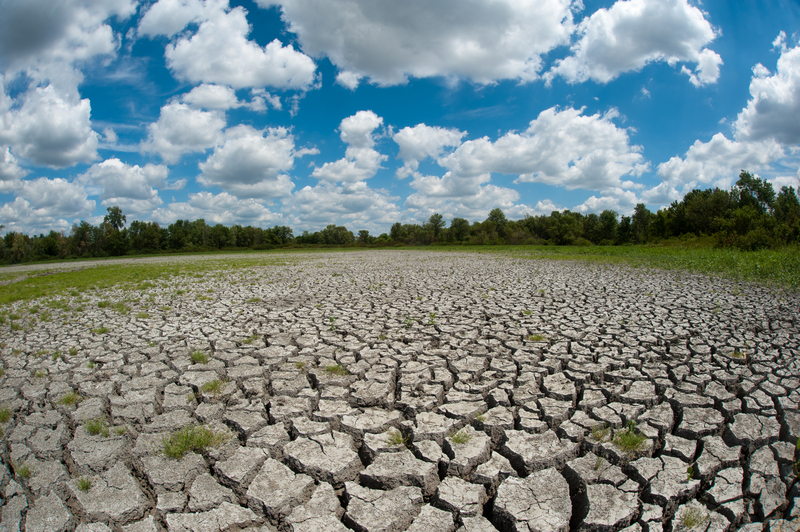
Is it raining today or is rain in the forecast this week? Rain can bring relief to drought—a prolonged period of abnormally low rainfall, leading to a shortage of water. Droughts can last a single season, a whole year, or for many years, and can affect a few hundred or millions of square miles.
Public health implications of drought include concerns about water, food and nutrition, air quality, sanitation and hygiene, recreational risks, and infectious and chronic diseases.
Water
Reduced stream and river flows can increase the concentration of pollutants in water and cause stagnation that kills fish and other aquatic life. Many parts of the United States depend on groundwater as a primary source of water. Groundwater sometimes contains naturally present germs and harmful chemicals from the environment, such as arsenic and radon. More often, human activities contaminate groundwater.
What Can You Do? Learn to correctly use fertilizers and pesticides; maintain septic systems; properly remove or store wastes; and prevent chemical spills at work sites.
Food and Nutrition
Drought can limit the growing season and create conditions that encourage insect and disease infestation in certain crops. Low crop yields can result in rising food prices and shortages, potentially leading to malnutrition.
What Can You Do? Whether you grow your vegetables or buy them at a farmer’s market or grocery store, select drought-tolerant vegetables specifically bred for drought resistance. Popular choices include lima beans, pole beans, corn, mustard greens, okra, squash, Heatwave II tomatoes, Black Diamond watermelons, and most herbs.
Air Quality
The dusty, dry conditions and wildfires that often accompany drought can harm your health. Fire, combined with dry soil and vegetation, increases the number of particulates suspended in the air, such as pollen, smoke, and fluorocarbons that can irritate the bronchial passages and lungs, making chronic respiratory illnesses like asthma, bronchitis, and bacteria pneumonia worse.
What Can You Do? Learn about CDC’s EXHALE strategies to help people with asthma achieve better health: Education on asthma self-management; X-tinguishing smoking and exposure to secondhand smoke; Home visits for trigger reduction and asthma self-management education; Achievement of guidelines-based medical management; Linkages and coordination of care across settings; Environmental policies or best practices to reduce asthma triggers from indoor, outdoor, or occupational sources.
Sanitation and Hygiene
Having water available for cleaning, sanitation, and hygiene reduces or controls many diseases. Drought conditions create the need to conserve water, but conservation efforts should not prevent proper sanitation and hygiene.
What Can You Do? Your attention to personal hygiene, cleaning, hand washing, and washing of fruits and vegetables can be done in a way that conserves water and reduces health risks. Install low-flow faucet aerators in your business and home to reduce water consumption while maintaining hand washing and other healthy hygienic behaviors.
Recreational Risks
If you engage in water-related recreational activities during drought, you may be at increased risk for waterborne disease caused by bacteria, protozoa, and other contaminants such as chemicals and heavy metals.
What Can You Do? The best way you can prevent swimming-related illnesses from spreading is to keep germs out of the water in the first place. This means that if you or your child has been sick with diarrhea in the past two weeks, you should stay out of the water. To protect yourself from the most common swimming-related illnesses, keep water out of your mouth when you swim and dry your ears after you swim.
Infectious Disease
Increases in infectious disease can be a direct consequence of drought. Viruses, protozoa, and bacteria can pollute groundwater and surface water when rainfall decreases. If you get your drinking water from a private well or if you have an underlying chronic condition, you may be at higher risk for drought-related infectious disease.
What Can You Do? To prevent the spread of acute respiratory and gastrointestinal illnesses from person to person, be diligent in handwashing. If you get your drinking water from a well, check it at least every spring to make sure there are no mechanical problems and test it once each year for total coliform bacteria, nitrates, total dissolved solids, and pH levels. If you suspect other contaminants, you should test for those as well.
Chronic Disease
Conditions associated with drought may negatively impact people who have certain chronic health conditions such as asthma and some immune disorders. Drought-related changes in air quality, such as increased concentrations of air particulates and airborne toxins resulting from freshwater algal blooms, can irritate the eyes, lungs, and respiratory systems of persons with chronic respiratory conditions.
What Can You Do? By making healthy behavior part of your daily life, you may prevent the exacerbation or occurrence of chronic disease conditions. Heed warnings about adverse weather conditions and stay indoors, avoid strenuous outdoor activities, and take prescribed medications. Talk to your health care provider if symptoms worsen.
Diseases Transmitted by Insects and Animals
In periods of limited rainfall, both human and animal behavior can change in ways that increase the likelihood of vector-borne diseases. During dry periods, wild animals are more likely to seek water in areas where humans live. These behaviors increase the likelihood of human contact with wildlife, the insects they host, and the diseases they carry.
Stagnant water provides additional breeding grounds for certain types of mosquitoes that can transmit the West Nile virus to humans.
What Can You Do? If you collect rainwater, don’t let the water get stagnant and become a manmade mosquito breeding area. Dump out any standing water, including in outdoor pet bowls and flowerpots. Pick up litter—bottles, cups, cans, car tires, and other containers that can hold water—on your property. Keep your lawn free of overgrown trees, brush, weeds, and tall grass. Plant mosquito-repelling herbs, flowers, and plants, including peppermint, lavender, marigolds, and feverfew.
InsureYouKnow.org
Your portal at insureyouknow.org is an ideal place to keep track of your home insurance and maintenance records, annual surveys of your property, and records of repairs and purchases needed for water resources, including septic systems or wells.
Resolve to Go Paperless in 2022
December 30, 2021

In January, follow the example of the U.S. government that has committed to moving to a paperless archival system by December 31, 2022. The Office of Management and Budget’s (OMB) directive for government agencies to transition to electronic records has prompted them to take steps in their modernization journeys.
The government faces multiple challenges with paper records, such as burdens on the workforce and high costs to manually create, use, and store nonelectronic information. As an individual, you may face similar dilemmas in dealing at home with your printed files, insurance records, and other important documents that would be difficult to replace if damaged or destroyed by natural disasters or accidents.
As government agencies transition to electronic records, many are experimenting with new technologies to sort through electronically stored information. Universities and businesses also have guidelines for storing electronic records in online repositories that they strive to:
- Back up regularly
- Comply with all privacy and security requirements
- Allow for shared access through a network or a cloud-based program
- Organize in such a way that records can be identified and purged appropriately
- Set up to migrate content to a new system upon replacement
- Maintain through regular software updates
InsureYouKnow.org
After you review the electronic storage practices of the government, universities, and businesses, establish your own ground rules for storing your important records at InsureYouKnow.org. Keep in mind the following tips:
- A systematic plan for keeping track of important documents can save you hours of anxious searching for misplaced items. It also can help you reduce the number of nonimportant papers cluttering your home.
- It is important to carefully store valuable papers which would be difficult or time-consuming to replace. Original hard-to-replace documents are ideally kept in a safe deposit box or a fire-proof, waterproof, burglar-proof home safe or lockbox. Scanned copies can be stored at InsureYouKnow.org where they will be readily accessible.
- Electronically stored records must be legible, readable, and accessible for the period of limitations required. It is important to back up electronic files at InsureYouKnow.org in case of a computer malfunction in your home office.
- Wherever you live, there is always a risk of fires, floods, and other disasters, and your home and important documents could be destroyed. If you have stored photographic images, you’ll have records accessible whenever you need them, including keeping peace of mind knowing documents are indestructible at InsureYouKnow.org.
Valuable papers can be sorted into two types: those needed for day-to-day use and those needed occasionally.
Examples of valuable papers used frequently include:
- Drivers’ licenses
- Credit cards
- Health insurance cards
- Bank account records
- Identification cards
- Special health documentation such as COVID-19 vaccinations, allergies, disabling conditions, prescriptions, and blood types for family members
Examples of valuable papers used occasionally include:
- Birth, marriage, and death certificates
- Deeds, leases, and property records and titles
- Income and employment records
- Passports
- Contracts
- Insurance policies
- Income tax records
- Military papers
- Divorce decrees
- Social Security records
- Retirement and pension plans
- Wills
Regular filing and reviewing of paper and electronic documents are important. Making decisions on when to discard old, printed files and purge electronic versions may be difficult but worth the effort to keep accurate, up-to-date records.