Category: Health
5 Scams Targeting Seniors in 2026 (And How to Lock Down Your Data)
January 1, 2026

Can you believe it is 2026? We have apps for everything and phones that are smarter than the computers we grew up with. But there is a flip side. All this tech has handed crooks a brand new playbook. And let’s be honest, they love targeting seniors.
The scams floating around right now aren’t the sloppy emails we used to laugh at. These new ones are sharp. They use fancy tech and psychological tricks to bypass your gut instincts. But don’t worry. You don’t need to be a tech wizard to stay safe; you just need to know what the red flags look like.
Here is what is happening out there and how to keep your private life private.
1. The “Grandchild” Voice Clone (It’s Not Them)
You might remember the old version of this trick. Someone calls pretending to be a grandson in trouble. Usually, you could tell it wasn’t him because the voice was off.
Well, the game has changed.
Scammers are now grabbing snippets of audio from social media videos. If your grandchild posted a video on TikTok or Instagram, that is all they need. They use AI to clone the voice. When the phone rings, it sounds exactly like them. Same laugh, same tone. They will say they are in jail or stuck in Mexico and need money fast.
What to do:
- The Password Rule: Agree on a secret family password. If “Bobby” calls saying he is in trouble, ask for the password. If he can’t give it, hang up.
- Don’t Panic: Hang up and call their real cell phone number. Verify it yourself.
2. The “Computer Meltdown” Pop up
You are just reading the news or looking for a recipe, and suddenly BAM. A siren starts wailing from your speakers. A box pops up on the screen saying your computer is infected and you have to call “Microsoft” immediately.
It is terrifying, right? That is the point.
But here is the truth. It is all smoke and mirrors. Your computer is fine. The person on that phone line isn’t tech support; they are a thief waiting for you to open the front door. If you let them “remote in,” they will swipe your passwords or charge you for fixing a problem that didn’t exist.
What to do:
- Ignore the Number: Real companies like Apple or Microsoft will never put a phone number on a warning pop up. Never.
- The Hard Reset: If your mouse freezes, just hold the power button down until the screen goes black. Turn it back on, and the “virus” will be gone.
3. The Medicare “Chip Card” Trap
Medicare rules are a maze, and scammers know it. The latest trick? A friendly phone call telling you that you are due for a “refund” or a new “chip card.”
It sounds great, doesn’t it? But then comes the catch. To get the goods, they say they just need to “verify” your Social Security Number or your current Medicare ID.
What to do:
- Guard It: Treat your Medicare number like the combination to a safe.
- Check Your Vault: Don’t take a stranger’s word for it. If you keep your insurance details stored in a secure spot, like the InsureYouKnow.org portal, you can just log in and check your official policy. Call the number on your documents, not the one the stranger gave you.
4. The “Pig Butchering” Long Game
This one is nasty because it pulls on heartstrings. It usually starts with a “wrong number” text or a random message on Facebook. The person is nice. You start chatting. Over weeks, maybe even months, you become friends.
Then, they mention money. They are making a killing in crypto or gold, and they want to help you do the same. You might even put a little money in and see it grow on a website they send you. But the moment you invest a serious amount? The website vanishes, and so does your “friend.”
What to do:
- Keep Wallets Closed: Never take financial advice from someone you have only met through a screen.
- Do Your Homework: If they send a photo, run it through a Google Image search. You will probably find that picture belongs to a model or someone else entirely.
5. The Fake Government Threat
Fear is a powerful tool. Scammers love to pretend they are the IRS or the Social Security Administration. You will get a text or voicemail saying your account is “suspended” or you owe back taxes.
They will threaten arrest if you don’t pay right now. And weirdly, they often want payment in gift cards.
What to do:
- Gift Cards equal Scam: The government will never ask you to pay a fine with an Amazon gift card. That just doesn’t happen.
- Slow Down: They want you to panic so you stop thinking. Take a breath. It is almost certainly fake.
The Secret Weapon? Getting Organized.
Why do these scams work? Because they rely on chaos. They hope you don’t know where your real policy is. They hope you can’t find the right phone number to check if the story is true.
If you have your house in order, they can’t touch you.
When you have your vital info, like IDs, policies, and bank contacts, locked in a secure, encrypted hub, you have the power. If someone calls about your life insurance, you don’t have to guess. You log in, look at the real document, and you see the truth.
Stay Safe Out There:
- Verify, Verify, Verify: Don’t trust Caller ID.
- Lock It Up: Use a secure service to store your life’s paperwork.
- Buddy System: Share access to that digital vault with a family member you trust. It helps to have backup.
You don’t have to be paranoid to be safe in 2026. You just have to be organized.
Rethinking Health Resolutions for the New Year
December 31, 2025

Every January, people pledge to “eat healthier” or “exercise more,” only to see those ambitions fade by February. Traditional resolutions often focus on a narrow slice of health, like weight loss or gym check-ins, without addressing broader habits that shape long-term well-being. Instead, physicians now emphasize developing habits that improve sleep, stress management, social connection, preventive care, and daily behavior. According to the American Medical Association, health choices that fit into everyday life and provide immediate benefits are more likely to stick.
The eight unusual resolutions below reflect a broader, evidence-based view of health for 2026.
1. Cultivate a Brain Fast Before Bed
Instead of saying “get more sleep,” focus on stabilizing your sleep schedule and wind-down habits. Sleep experts recommend consistent bedtime and wake-up times. “Setting a consistent bedtime and wake time is one of the most effective changes you can make for your sleep,” says Dr. Abhinav Singh, Medical Director at the Indiana Sleep Center.
Better sleep supports cognitive function, emotional stability, and immune health, making this a resolution linked to measurable health outcomes.
2. Build a Sensory Stress-Management Plan
Stress affects both mind and body. A sensory plan that includes calming auditory or visual cues, time in natural light, and brief outdoor breaks can soften the day’s pressures. “Self-care in the form of recognizing your limits and building in even just a few minutes of time each day to recenter yourself is important,” says Dr. Joanna Bisgrove, Family Physician, Rush University Medical Center.
Acute stress relief boosts mood and productivity while protecting long-term cardiovascular health.
3. Adjust Your Environment to Make Healthy Choices Easier
Habits are easier to maintain when your environment nudges you toward them. Placing water bottles where you see them, creating a designated space for stretching, or minimizing clutter in high-stress areas all make healthy choices more automatic. Behavioral science suggests that environmental design is a powerful driver of long-term habit change, especially when willpower alone would be unreliable.
4. Prioritize Social Connection with Intent
Social connection is a proven determinant of health. People with supportive relationships experience lower stress levels and better immune responses, and strong social ties are linked to higher life satisfaction. “Self-care includes connecting with others, particularly in person if it is safe, but over the phone or internet if not,” says Dr. Bisgrove.
Make a point to plan consistent, meaningful check-ins with friends, family, or colleagues.
5. Make Mindful Eating a Daily Practice
Unlike diet rules that focus on restriction, mindful eating asks you to pay attention to hunger cues, flavor, and satisfaction. This approach reduces emotional eating and builds a healthier relationship with food without guilt.
Mindful eating supports better digestion and sustained satisfaction from meals, leading to more stable energy and fewer cravings.
6. Link Movement to Everyday Routines
A resolution to run, bike, or lift weights is excellent if you can stick to it, but many people struggle to make it part of daily life. A more approachable alternative is to link short bursts of movement to existing routines. For example, taking a walk after a meal, doing calf raises while brushing your teeth, or standing while on phone calls add meaningful activity to your day without extra planning.
7. Focus on One Low-Tech Health Habit Per Month
Rather than pursue three or five goals at once, focus on just one foundational habit per month. January might be daily hydration, February could emphasize sleep consistency, and March could focus on organizing health appointments or screenings. The American Medical Association recommends incremental goals that are specific, manageable, and tied to your daily schedule for lasting change.
8. Shape Goals Around Seasonal Needs
Health needs change with the calendar. Winter might focus on immune support and rest, while spring encourages outdoor activity and stress renewal. Aligning habits with seasonal rhythms makes resolutions feel less forced and more adaptive. Seasonal awareness helps the body and mind adjust to natural changes in daylight, temperature, and lifestyle.
Most New Year’s resolutions lose momentum because they are too broad, hard to measure, or feel disconnected from daily life. Experts advocate for specific, actionable habits that provide near-term benefits and fit into routines. Unusual resolutions invite curiosity instead of pressure. They encourage adjustment rather than perfection. This year, instead of aiming for a dramatic transformation, consider choosing habits that quietly support your health every day. Those are the changes most likely to last.
Wishing You Safe and Healthy Holiday Travels
December 1, 2025

Traveling over the holidays is an opportunity to relax and reconnect with loved ones. But traveling during peak times can also be stressful. The crowds alone can cause some anxiety and concern. Last year, more than 132 million Americans travelled for the Thanksgiving weekend. By planning ahead, you can stay safe and healthy.
A survey of Motel 6 and Studio 6 found that 51 percent of holiday travelers plan to drive, compared to 13 percent who will travel by plane. It can be both easier and more affordable to drive, but according to the U.S. Department of Homeland Security, traveling by car during the holidays has the highest fatality rate of any major form of transportation.
Traveling by Car
By taking simple precautions, drivers can keep their passengers safe. “Number one: budget in extra time,” says Vicky Nguyen, a Consumer Investigative Correspondent for the Today Show. “Even just leaving 15 minutes earlier than normal can take some of the stress out of driving in general.”
Prepare in advance by doing the following:
- Complete any necessary automotive maintenance to ensure your car is ready for the road.
- Make sure you have a full tank of gas (or a full charge for an electric vehicle) the day before you leave.
- Pack the night before and aim for 7-8 hours of sleep.
- Pack water, snacks, and medicines for every passenger, including kids and pets.
- Get comfortable by adjusting your seat and preparing your navigation system before you get going.
“It also can’t hurt to map out your route and identify rest stops, gas stations, and food options,” says Stacey Barber, vice president of AAA Travel. In the case of traffic or bad weather, build in extra time or reschedule your departure. Locate lodging along your route ahead of your trip, in case you need to stop for a night.
Your emergency essentials should include a portable cell phone charger, a first-aid kit, blankets for cold temperatures, a flashlight with extra batteries, jumper cables, and spare tires.
Follow basic driving safety guidelines, including buckling up, obeying the speed limit and other road laws, giving your full attention to the road, especially in construction zones, and avoiding distractions, such as cell phone use.
Plan to take breaks, about every two hours or 100 miles, to avoid getting sleepy on the road. Short walks and stretches during breaks can also help prevent and alleviate pain associated with prolonged sitting.
If you’re driving, keep gifts and other valuables out of sight, preferably in the trunk. At rest stops and in airports, stay alert, be aware of your surroundings, and keep your belongings close.
Traveling by Plane
If you’re flying, plan on getting to the airport two hours before your scheduled departure time. “We ask travelers to pack their patience, especially during peak travel days,” says Ha Nguyen McNeill, a TSA administrator.
Book an early flight. Flights departing after 9 a.m. are twice as likely to be delayed than those scheduled between 5-8 a.m.
Airlines are also reminding passengers to bring their Real ID, which is required for flying as of early May, and to download an airline’s app to track flight updates and receive alerts.
To avoid getting sick while flying, it’s essential to maintain a healthy diet and stay hydrated for at least a few days before traveling. Pack simple, healthy snacks, such as nuts or dried fruit, and a refillable water bottle to bring with you. Keep any necessary medicine in a carry-on so that you can access it easily.
During your flight:
- Handle your own belongings as much as possible.
- Wash your hands whenever possible with soap and water, and carry hand sanitizer and antibacterial wipes with you.
- Avoid touching your face or eyes. If you have to cough or sneeze, use a tissue.
- If you’re sick, consider postponing your trip until you recover.
No one wants to spend their vacation worrying about whether or not their house is safe. By taking basic precautions, homeowners can protect their properties from becoming easy targets of theft.
“A simple step is to lock everything. Ensure all doors, windows, and entry points are locked, including garage doors and sliding glass doors,” says Kimani George of the University of Alabama Police Department. “Secure exterior doors with sturdy deadbolt locks, and leave blinds or curtains in their usual positions. Completely closed curtains can make it obvious you’re away.”
Other steps to protect your home include the following:
- Use timers on indoor and outdoor lights to mimic a routine.
- Install visible cameras on the exterior of the home.
- Ask them to collect mail or packages (or suspend deliveries).
- Arrange for lawn maintenance to avoid the look of a vacant home
- Do not share travel plans on social media.
Announcing holiday plans or posting vacation pictures on social media puts you at a security risk. “By posting pictures of your trip on social media sites, you are alerting the public that your home is currently vacant,” says George. “It is a safer option to wait until you return home before sharing the memories of your travels.”
Holiday travel can be stressful, but being prepared can help you enjoy the time away with loved ones while staying safe and healthy. With Insureyouknow.org, you can keep all of your travel documents and personal identification in one place for easy planning and smooth travels.
Coping After a Cancer Diagnosis: Finding Strength, Clarity, and Support
November 15, 2025

According to CDC data, nearly 39% of men and women will be diagnosed with cancer at some point during their lifetime. Finding out that you or a loved one has cancer can come as a shock and bring with it feelings of fear and anger. One challenge to treatment is that these emotions can make it difficult to process all of the information the doctor is presenting. Research shows that when emotions are high, a person’s decision-making ability is hindered, making it hard to choose a treatment plan.
Here are ways to help you cope after a cancer diagnosis, so that you can make the best decisions about your care.
Get the Facts
Gather as much information on your condition as you can. Not only will this help you make treatment decisions, but it can also feel empowering to become informed. Write down questions for your healthcare team as you think of them.
Questions to ask include:
- What kind of cancer do I have?
- Where is the cancer located?
- Has the cancer spread?
- Is this a curable form of cancer?
- What are my treatment options?
Bring a close family member or friend to your appointments for support and a second set of ears to help you remember what the doctors say.
Some people want all the facts while others want to let their healthcare providers make treatment decisions. Think about what works best for you before your appointments.
Be Honest About Your Well-Being
Now is the time to keep the lines of communication open between your doctors and loved ones. You may end up feeling alone if you sense that people are trying to protect you from your diagnosis, or if you try to be strong and hold in your feelings. Instead, be open and honest with everyone about your condition and what you’re feeling.
One in four individuals experiences depression and anxiety after a cancer diagnosis, so speaking up and seeking support early can make a meaningful difference.
“Education can be a powerful resource,” says Cynthia Brown, a breast cancer oncology nurse at Chester County Hospital in Pennsylvania. “Knowledge is power, and when you are more aware of the physical and mental symptoms you can experience throughout your cancer treatment, you can feel more confident in your ability to manage them, and be less afraid of the unknown.”
Accept Help When Offered
Let your loved ones help with errands, household tasks, meals, and taking you to appointments. It helps those you love to care for you and can be a way for them to cope during this difficult time.
To prevent those closest to you from burning out, accept help from anyone who asks if there’s anything they can do. Your loved ones will appreciate the extra help.
Some say that putting their lives in order helps them feel more in control of their well-being. Being involved in your treatment plan, keeping track of appointments, and making lifestyle changes are all things you can control.
While you can’t control every thought, you can choose which ones not to dwell on. Instead of worrying, for example, pay attention to the parts of life that bring you joy.
“As much as I’m in my own head thinking, ‘Cancer, cancer, cancer,’ and spiraling, my kids still have school pickup and drop-off, and they still want cuddle time,” says Stephanie Wysaski, a 35-year-old mother diagnosed with breast cancer. “I just didn’t have time to worry. Life doesn’t stop.”
Reevaluate Your Priorities
Receiving a cancer diagnosis can be a turning point in an individual’s life. Many people experience a new perspective and examine what they’ve been putting value on. Find more time for what matters most to you, and cancel everything that doesn’t align with your goals. Be open and honest with your loved ones about any changes you may be making and explain why.
Even when you don’t feel well, healthy lifestyle choices will constantly improve your energy level. Eating a nutritious diet, getting enough rest, and continuing to exercise as much as you can will help with the stress and fatigue that come with cancer and treatment. Setting a schedule and sticking to a routine helps manage daily exercise, getting enough sleep, and preparing healthy meals.
Expand Your Circle
It can be hard for people who don’t have cancer to understand precisely what you’re going through. That’s why talking to others in a similar situation can be so helpful. Cancer survivors can share their experiences and tell you what to expect during treatment.
You can try talking to someone you already know, like a friend or family member who has had cancer, or join a support group. To find a group, ask your healthcare provider or contact your local chapter of the American Cancer Society.
Care For Caregivers
The effect of a diagnosis can affect everyone in that person’s life, creating a ripple effect through families and communities. Seeking support through counseling or a caregiver support meeting can provide relief and guidance during a difficult time. Caregivers must take time for their own well-being and remember that it’s essential in caring for their loved one too.
“If someone in your life has been diagnosed with cancer, it’s okay to take time to process your feelings as well,” says Brown. “Those emotions are still important—even if the diagnosis isn’t yours. You may be worried for your loved one or angry about the disease. And if you are providing care for this person, you may experience feelings of stress or burnout.”
You may utilize Insureyouknow.org to organize your affairs, including finances, medical records, treatment, plans, and new schedules. Taking care of what you can control will eliminate unnecessary stress during treatment and recovery.
How to Choose a Medical Power of Attorney and Stay Prepared
November 6, 2025

A few years ago, a close friend of mine went through something that completely changed how I look at “being prepared.” Her dad had a stroke while working in the garden. One minute he was watering plants, the next, he was in the hospital, unable to speak. The doctors were asking who could make medical decisions for him, but no one had an answer. Everyone froze.
It was heartbreaking to watch. Her mom was in shock, her siblings were arguing, and everyone was scared. Nobody knew what he would have wanted.
That day taught me something that I’ll never forget. Planning ahead isn’t just about being responsible. It’s an act of love. And that’s exactly what a Medical Power of Attorney is all about.
What a Medical Power of Attorney Really Means
A Medical Power of Attorney (MPOA) sounds like a complicated legal thing, but it’s actually simple. It’s a document that lets you choose someone you trust to make healthcare decisions if you can’t.
That person, your agent, doesn’t suddenly take over your life. They only step in if you can’t speak for yourself. Their role is to protect your wishes and make sure what you want actually happens.
It’s one of those things we tend to put off, but once it’s done, it brings a quiet kind of comfort. You know things will be okay, even if you can’t explain what you want in the moment.
Why It Matters
If you don’t have a Medical Power of Attorney, hospitals usually turn to whoever’s nearby or follow state laws about next of kin. That can work, but it can also cause a lot of tension. In stressful moments, people don’t always think clearly. They guess, they argue, they panic.
Having an MPOA avoids all that. It gives doctors one clear person to speak with and gives your family direction when things feel uncertain. It’s a simple form, but it can prevent a lot of heartache later.
How to Choose the Right Person
Choosing your agent isn’t about who’s closest to you. It’s about who knows you best. The person you trust most doesn’t have to be family. It could be a friend, a sibling, or someone who simply understands you.
Here’s what to think about:
- Who stays calm under pressure?
- Who knows how you feel about medical care and quality of life?
- Who will listen to doctors carefully and ask good questions?
- Who will do what you want, even if others disagree?
Once you decide, talk to them. It doesn’t need to be formal or serious. Maybe just bring it up during a car ride or while cooking dinner. Tell them how you feel about certain treatments or what kind of care you’d want. These honest conversations matter so much more than any form.
Keeping Your Documents in Order
Once your form is signed, keep it somewhere easy to find. In an emergency, no one wants to dig through stacks of paper.
Here’s what to keep together:
- Your MPOA form (signed and dated).
- A Living Will or Advance Directive describing your medical preferences.
- A HIPAA release form so your agent can speak with doctors.
- Health insurance cards and policy info.
- Emergency contacts for family and doctors.
- Photo IDs for you and your agent.
I like to keep mine in a labeled folder at home and another copy saved online. It’s one of those “just in case” things that saves everyone stress later.
Why Digital Storage Helps
Paper gets lost. It gets packed in a box or tossed by accident. That’s why having a digital copy is smart.
A secure site like InsureYouKnow.org makes it easy to upload and store important documents safely. You can label them, share access with your agent, and know that if you ever need them, they’re right there. It’s simple, private, and safe.
It’s not about being tech savvy, it’s about being practical.
Keep It Updated
Life changes. People move, relationships shift, new doctors come into your life. Once a year, take five or ten minutes to check that your MPOA and other forms are still up to date.
It doesn’t take long, but it gives you peace of mind that everything’s current.
A Final Thought
Setting up a Medical Power of Attorney isn’t about expecting bad things to happen. It’s about kindness, for yourself and the people who love you.
Once it’s done, you can stop worrying. You’ll know that, no matter what happens, your family won’t be left guessing. They’ll already know because you cared enough to prepare.
It’s not just a document. It’s peace of mind, and maybe one of the most loving things you can do.
Love in the Final Chapter: Caring for a Loved One in Home Hospice
October 15, 2025

When it comes to end-of-life care, 71% of Americans believe the goal should be to help people die without pain, discomfort, and stress. The focus of hospice care is on quality of life and symptom management, and it is designed to provide comfort to individuals with a life expectancy of six months or less.
A team of medical professionals addresses the patient’s physical, psychological, and spiritual needs on a case-by-case basis, ensuring that every patient receives a care plan tailored to their specific needs. Care is most often delivered in the patient’s home, and the hospice team can support caregivers during this process.
Quality is Key
Hospice is end-of-life care, but that doesn’t mean someone receiving care will pass right away. While doctors recommend hospice when a patient only has six months or less to live and is no longer responding to curative treatments, many patients live longer. In such cases, what matters still is a patient’s quality of life, not quantity.
“Each person’s journey at the end of life is different,” says Jessica Kelly, a licensed hospice nurse in New York. “We tailor our care to meet those unique needs, whether that’s managing pain, supporting emotional well-being, or helping families share meaningful moments together.”
Home Care Takes a Toll
While it is nearly everyone’s preference to pass away in the comfort of their own home, the task of caregiving can be more than loved ones expect. “I do think that when patients are at home, they are in a peaceful environment,” says Parul Goyal, a palliative care physician. “It is comfortable for them. But it may not be comfortable for family members watching them take their last breath.”
The burden put on loved ones, especially spouses, can cause caregiver syndrome, which is characterized by the stress and burnout that comes from providing constant care to someone who is chronically or terminally ill.
“Our long-term-care system in this country is really using families, unpaid family members,” says Katherine Ornstein, a professor of geriatrics and palliative medicine at Mount Sinai. “What we really need to do is to broaden the support that individuals and families can have as they’re caring for individuals throughout the course of serious illness.”
Self-Care for Caregivers
Providing care to a hospice patient can be both rewarding and difficult. Social psychology researchers Richard Schulz and Joan Monin found that caregivers suffer when they witness their loved one’s suffering without feeling like they can remedy it. It becomes important not just to care for the patient but for caregivers to care for themselves as well.
One way to start accepting a terminal diagnosis is to begin getting a loved one’s affairs in order. It can be helpful to collect necessary documents and passwords and to begin sorting through possessions. Staying busy during the care process can help manage emotions as they arise.
Handling Grief
It’s easy to get paperwork and belongings in order. It’s not as easy to manage your grief. The loss of a loved one is among life‘s most significant stressors. Grief can affect every aspect of your health. While everyone’s experience is different, it is common to feel intense emotions during a loved one’s illness and after losing them.
Here are ways caregivers can take care after loss:
- Express your emotions. Bottling them up will only intensify them.
- Don’t put yourself on a timeline. People move forward at their own pace. Trust that your pain will lessen over time.
- Take care of yourself as you grieve. Eat nourishing meals, stay hydrated, and sleep enough.
- When you’re ready, exercise. It can reduce stress, tension, and sadness.
- Hospice providers make grief support groups available to anyone who has lost a loved one in hospice care.
- The Hospice Foundation also offers a newsletter to help during bereavement.
When to Seek Help
Most people find a way to adjust to their loss, but it is a painful and uncomfortable process. About 10% to 15% of people who are grieving have a complicated reaction to their loss. Grief experts agree that if grief is unmanageable, meaning someone has not returned to their pre-loss level of functioning within six to 12 months, it may be time to seek the professional help of a grief counselor. Your hospice team can help you find the care you need.
Handling a loved one’s affairs is one way caregivers can manage their grief. With Insureyouknow.org, you may organize financial documents, property records, and other documentation of personal effects. Getting everything in order can bring you some peace of mind during emotionally challenging times.
A Simple Guide to Choosing a Medical Power of Attorney
September 15, 2025

Studies show that the treatment wishes of patients vary greatly from those of their family members, yet only a third of Americans have a medical power of attorney in place. With a medical power of attorney, you can legally designate an agent to handle your medical decisions should you become unable to speak for yourself. It also includes instructions on the kinds of medical treatment you wish to receive.
Even if you do not know your wishes, a medical POA ensures that the person you trust can make those decisions for you. “A medical power of attorney is a pretty powerful document,” says William Raftis, attorney for Student Legal Services at Texas Tech. “It grants a person to make medical decisions on behalf of another person in the case that they are unable to make such a decision for themselves.”
Without a Document
When you don’t have a medical power of attorney and you are unable to tell the doctor your preferences, the following people would be legally authorized to make your healthcare decisions:
- A court-appointed guardian or conservator
- Your spouse or domestic partner
- One of your adult children or siblings
- A close friend
- Your nearest living relative
It’s important to know that if you have a medical POA and get married, then that document is revoked. If you do not want your spouse to act as your agent, then you must have a new medical power of attorney written up.
Choosing an Agent
To designate someone as your agent, you must sign a legal medical power of attorney document that names an agent and the healthcare decisions you’d like them to make if you become unable to. Your agent can decide whether or not to admit or discharge you from a hospital or nursing home, which treatments you receive, and who has access to your medical records.
Many people mistakenly believe that designating an agent and signing a medical POA grants that person the authority to make all of your healthcare decisions. But a medical power of attorney is only necessary if you become unable to make your own decisions.
Every state has its own legal requirements for medical POAs, such as witnesses and notarization, but you may not even need a lawyer to draw up a medical POA. Many states provide free forms through government websites. If your state does not offer forms online, consider inquiring with healthcare providers and hospitals, as they may also have forms available.
Comfort is Key
The person you designate to be your agent should be somebody whom you trust. They should be over 18 years of age and should not be a doctor or healthcare professional. The person you choose should be someone who you know will carry out your wishes. You should discuss your wishes with them in advance and ensure that they will be comfortable making those decisions on your behalf.
If it makes you more comfortable, you may appoint two people to serve as co-agents or a successive agent in case the first agent becomes unable to do so. Keep in mind that it may create confusion when multiple agents are involved in the decision-making process. Healthcare professionals may only be able to reach one agent in the event of an emergency, or agents may disagree about how to carry out your wishes best.
Make Those Decisions Now
In addition to choosing your agent, your medical power of attorney should state your wishes.
The medical POA should state:
- Whether or not you want to use machines to be kept alive or receive feeding tubes
- Name a legal guardian, if needed
- Whether or not you want to donate any organs in the event of your passing, and what to do with your remains
If at some point, you change your mind about any of your directives or who you’d like to be your agent, then you should have a new medical power of attorney drawn up.
Medical POA Safekeeping
You should always inform your agent of any changes made to a medical POA and make sure they have the most up-to-date copy. Then store your document in a safe but easily accessible location. A medical power of attorney should be stored in both a physical safe place at home and a secure digital platform. Provide your attorney with a copy, as well as your healthcare providers and other trusted loved ones.
Why Documentation Matters
Emergencies come without warning. Without documentation in place, confusion over what’s best for you will add stress to an already difficult circumstance. Every adult should have a medical power of attorney in place, even adult children going off to college. “Students are 18 and they are now legally adults,” says Raftis. “It’s really just a way to help empower the students to make sound medical decisions.”
Acting early guarantees that you will have the necessary support during an emergency. This proactive approach enables families to focus on their loved one’s care rather than paperwork. “It’s a gift to your family to get these plans in place,” says Sally Hurme, an elder law attorney in Virginia. “Why create chaos, indecision, confusion, frustration, turmoil =—all of these may happen if you don’t have advance directives.”
Being clear about how you want to be cared for doesn’t just protect you; it also ensures that you receive the care you need. It prevents your loved ones from having to make painful decisions on your behalf under emotional circumstances. In this way, a medical power of attorney provides peace of mind for both the individual and their loved ones. With Insureyouknow.org, you can store all of your medical records and healthcare documentation in one simple-to-review place, giving you more time to focus on what matters.
Digital Pet Records: Organize and Store Pet Documents Securely
September 3, 2025

Pet emergencies rarely arrive at the right time. A dog limps after a jump. A cat suddenly won’t breathe easily. Owners grab at folders, glove compartments, even the folded vaccination slip that’s been stuck under a fridge magnet for months, only to realize the insurance info or medical history is still missing.
The vet keeps asking questions. What shots were given? What allergies are known? Too much time slips away.
That’s why keeping pet records, health notes, policy papers, and vet numbers saved in one secure digital spot makes such a difference. Instead of chaos, the details are ready in seconds. And that can mean faster decisions and better care when pets need it most.
Why Digital Pet Records Matter
In a real emergency, minutes feel heavy. A vet may ask about past shots or allergies, but the papers are often buried, tucked in a kitchen drawer under receipts or lost in an old email. With digital pet records, the answers are ready in seconds, and treatment doesn’t have to wait.
The same holds true when care is handed off. A sitter, a family member, even a boarding kennel can check pet medical files online instead of relying on rushed notes over the phone.
The truth is, organized records bring peace of mind. Storing pet papers safely in one place removes clutter and helps ensure steady care, whether at home, traveling, or in an emergency room late at night.
What to Include in Your Digital Pet Emergency Kit
When something goes wrong, the last thing anyone wants is to dig through drawers for missing papers. A simple digital kit avoids that headache.
The basics come first: vaccination records and health notes. Vets usually ask for them before doing anything else.
If the pet has coverage, add the insurance policy number and provider. It saves phone calls later. Keep proof of ownership too, like microchip info, adoption papers, or even a vet’s ID slip.
An emergency contact list matters just as much. The family vet, a backup clinic, a sitter, and one relative who can step in should all be easy to reach.
Then there are the little things. Care notes about food, medicine, or allergies may sound small, but they help anyone give consistent care. Storing these pet papers online in one safe place means less panic and faster help when every minute counts.
How to Securely Store Pet Documents Using InsureYouKnow
InsureYouKnow makes it simple to keep pet papers in order. Snap a photo of a vaccine slip or scan an insurance form, then upload it with a clear label like “Bella – Shots” or “Max – Insurance.” No more shuffling through drawers when the vet is waiting.
The files stay safe with encryption, so medical notes and policy numbers are private but easy to reach. Reminders can be set for shots or policy renewals, which means nothing gets overlooked.
Sharing is easy too. A sitter, boarding place, or vet can be given access to just the records they need, making care smoother and less stressful.
With everything in one place, digital pet records stay organized, secure, and ready when pets need it most.
Organizing and Managing Pet Info
Saving files is just the start. How they’re organized matters. Clear labels like “Vaccination,” “Insurance,” or “Ownership” make documents easy to find.
Adding details like the pet’s name, birthdate, or microchip number helps avoid mix-ups, especially with multiple pets.
Updates are important too. After checkups, insurance renewals, or when a new pet joins, taking a few minutes to update records keeps digital pet documents accurate and ready when needed.
Emergency Scenarios Where This Helps
Imagine the dog collapses during an evening walk. Heart racing, the family grabs the leash and heads to the vet. They don’t have to dig through drawers or emails. Digital pet records are ready on a phone. Shots, allergies, medications, all visible in seconds. The vet can start treatment right away, and stress levels drop for everyone.
Not all emergencies are medical. Moving suddenly, last-minute boarding, or traveling with a pet can turn chaotic fast. Having pet papers stored securely online means sitters, boarding staff, or vets can see what’s needed without endless calls or searching.
A few organized files can turn panic into calm. Pet documents online make sure pets get the care they need, wherever and whenever an emergency strikes.
Conclusion
Just like people, pets have important papers that need care. The vet, insurance info, and vaccination slips all matter. If you’re running around during an emergency, it’s easy to lose track. That crumpled slip under the couch or buried email suddenly matters more than ever.
The truth is, digital pet records make life simpler. Snap a photo, upload it, and label it clearly. Share it with your vet, a sitter, or a boarding facility when needed. It’s quick, secure, and saves time when every second counts.
Take a few minutes today to set up your pet’s digital profile with InsureYouKnow. It’s simple, it’s safe, and it gives peace of mind knowing your furry friend’s records are ready when they’re needed most.
The Mental Health Gap: What Parents Miss and Teens Need
September 1, 2025

Your teen says they’re fine. But they’ve stopped texting friends, spend more time in their room, and their grades are slipping. Could you spot the signs if they were struggling? Only 58% of U.S. teenagers feel they get the emotional support they need—yet 93% of parents believe they’re providing enough.
Findings like these show that parents may not always realize when their child is struggling. Young people today face different challenges than their parents and previous generations did. More than ever, parents must understand the unique pressures young people are struggling with today.
Challenges Faced by Teens
Nearly 10% of all U.S. kids aged 3 to 17 experience anxiety, while 5% live with depression. A few causes are listed below:
- Many young people are dealing with packed schedules, the pressure to succeed in academics, sports, and extracurriculars, and the uncertainty of what comes after graduation. The pressure to excel can lead to burnout.
- With in-person learning, the fear of school shootings can create a general sense of day-to-day unease.
- Students who remember the pandemic lockdown may have posttraumatic stress from virtual learning and social isolation.
- Social media has introduced young people to near-constant comparison, leading to low self-esteem. Body dissatisfaction is leading to a rise in eating disorders.
- Concerns over climate change can also lead to feelings of hopelessness.
Warning Signs
As a parent, you have a good sense of what your child’s “normal” looks like. In addition to the more striking symptoms, such as mood swings, angry outbursts, or being more tearful than usual, you may notice:
- Changes in eating habits, weight, sleep, or other routines
- Loss of interest in the things they once enjoyed or quitting activities
- Withdrawing from close friends or family
- Academic struggles that seem different or more intense, such as a refusal to complete assignments
- Becoming more visibly worried or expressing constant worry
- Any signs of substance abuse or evidence of self-harm, such as cuts, burns, or bruises
Just because your child exhibits any of these symptoms does not mean they are experiencing a mental health crisis. Biological changes, including hormonal shifts that all teenagers must go through, can affect their mood and school performance.
“It’s kind of hard because these things correlate with puberty,” says Theresa Nguyen, vice president of policy and programs at Mental Health America. “It gets hard for parents because this period of time is so muddy.”
Converse Differently
Checking in with your child is an ongoing process, not a one-time occurrence. Normalizing regular conversations with your child supports their mental health and also gives them the foundation to come to you when they need help.
Kids avoid touchy subjects, especially if they fear being lectured or punished. Make sure your children know they can come to you with anything. Create a safe space for them by remaining approachable and nonreactive. Routine moments, such as car rides or dinner times, can be opportunities for discussion.
Avoid forcing conversations or asking direct questions like, “What’s wrong?” Instead, ask about specific things at school or what they might be looking forward to. They will be more willing to open up if they do not feel interrogated. Try listening more than you speak and resist the urge to give advice immediately.
The goal is not to fix everything for them, but to make sure they know they are supported. “As parents, our instinct is often to jump in with advice, but it’s very rare that that’s what teens are looking for,” says Lisa Damour, a clinical psychologist. “Teenagers often feel supported not through a conversation but through our steady presence. It’s about being around and available.”
Parents can show their teen how to care for their mental health by modeling those healthy behaviors themselves.
- Encourage good physical habits. Eat well and encourage exercise, both of which can be activities you do together. Every family member should have a bedtime and sleep routine.
- Limit screen time and social media. If your teen is resistant, approach it together as an experiment to see if it’s beneficial to take a break.
- Find activities that you enjoy and help them do the same. Ideally, you can find a few things to enjoy together, such as going for walks or watching movies.
“Lead by example,” advises Nguyen.
Your child’s pediatrician can help with any mental health concerns. They can explain treatment options, including medication, and refer you to a specialist for evaluation. Talking with a licensed mental health professional, for instance, can provide teens with a safe and judgment-free zone to process emotions and develop coping skills.
Your child’s care team can develop a crisis plan involving the steps to take if symptoms worsen. There are also courses for parents who want to learn more about mental health first aid. Teens who need to speak with someone immediately may always call The 988 Suicide & Crisis Lifeline or text “TALK” to 741741.
By staying organized, parents can create more time for family. “The single most powerful force for adolescent mental health is strong relationships with caring adults,” says Damour.
Your teen doesn’t need you to have all the answers. They just need to know you’re there every day, without conditions.
At Insureyouknow.org, parents may keep track of their child’s schedule, medical records, and other essential documents.
Pre-Accident Planning: Stay Ready for Emergencies and Save Time
August 27, 2025
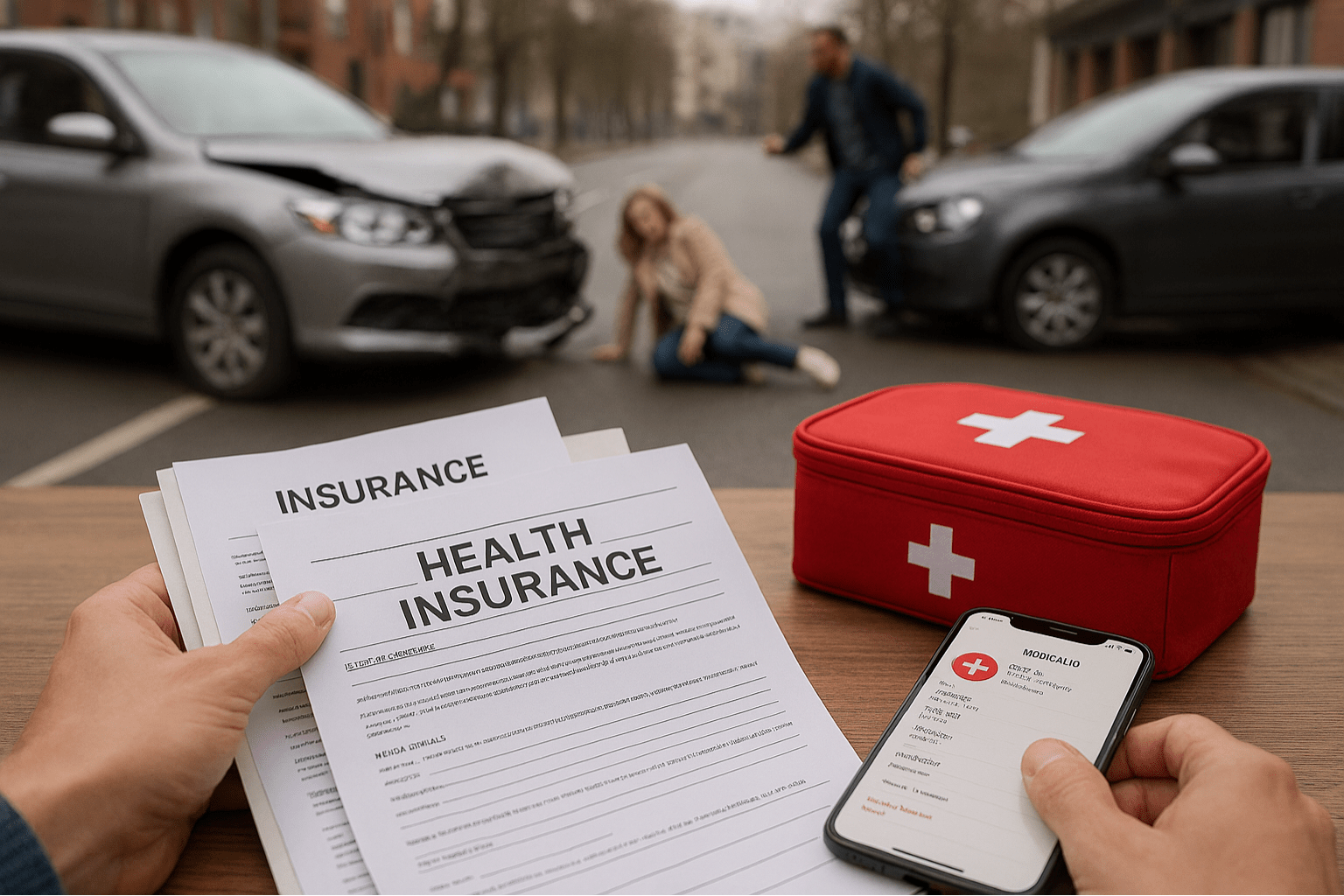
Nobody wakes up thinking, “Today I’ll have an accident.” But they happen. Sometimes when you’re driving, sometimes when you’re just making dinner. Suddenly, paramedics are asking questions: Any allergies? Medications? Who do we call?
If that info isn’t handy, things slow down. And in a crisis, slow is the last thing you want. I’ve personally seen families scramble through wallets and phones looking for details. It’s stressful and avoidable.
That’s why it makes sense to set up your health and insurance info now, not later. It doesn’t take long, and it could make all the difference in a critical moment.
What is Pre-Accident Planning?
Most people don’t really think about pre-accident planning until something goes wrong. Honestly, you probably haven’t either. It’s basically just having your key health and insurance info ready before an emergency ever happens. Nothing fancy. Just the stuff that can actually save time.
So what should you have? Here’s the quick list:
- A short record of your medical history.
- The medicines you take and how often.
- Any allergies doctors should know about.
- Names and numbers of people you’d want called first.
- Your insurance info, so care isn’t delayed.
Imagine this: you’re in a minor car accident and can’t talk. Paramedics show up and need to know if you’re allergic to a medication. If that info isn’t ready, they’re guessing. But if you’ve planned ahead, it’s right there. Seconds matter. And really, that’s the whole point, making sure first responders and doctors can help you as fast as possible.
Using Digital Tools for Emergency Preparedness
You probably keep most of your important info scattered—papers, cards, maybe even a few notes on your phone. But when an emergency hits, digging through that stuff wastes precious time. That’s where digital tools come in. Secure online vaults let you store all your health and insurance details in one place.
The best part? Only authorized people, like family, doctors, or first responders, can access it when it’s needed. Even if you can’t talk or move, the right people can get the info fast.
Why use a digital vault? Well, there are a few big advantages:
- Quick access – no more shuffling through papers or cards.
- Less paperwork – everything is in one organized spot.
- Safe backup – your info is secure, and you won’t lose it.
Honestly, setting this up doesn’t take long, but it can save a lot of stress and make sure you or your loved ones get the right care right away.
Real-Life Examples
Emergencies can happen when you least expect them. I once read about someone in a car mishap who couldn’t speak. Luckily, their family had a digital vault with all the key info, medical history, allergies, and medications. Paramedics got it fast. No guessing, no delays.
Another story: a senior fell at home. Their family had health and insurance info ready. EMTs didn’t waste time searching. Care started right away, and things went much smoother.
Studies show having info ready can cut treatment delays by up to 30%. That means fewer mistakes, faster care, and less stress for everyone. Honestly, most of us forget to do this until it happens. Spending a few minutes now could save a lot of trouble later.
Steps to Get Started
Okay, honestly, starting with pre-accident planning isn’t rocket science. Most of us just forget about it until something happens. But if you take a few minutes now, it can save a lot of panic later.
First things first, grab all your important stuff. Your medical history, medications, allergies, emergency contacts, insurance info, just toss it in one place. Trust me, you don’t want to be hunting for papers or digging through apps in a rush.
Next, find a safe spot to store it. Could be a digital vault, an app, whatever works for you. Just make sure only people you actually trust can get to it.
Then, make it easy to read. Like, sections for meds, allergies, contacts, insurance, whatever makes sense to you. Don’t overthink it.
And hey, don’t forget to update it. New meds, changed contacts, insurance stuff, small tweaks make a big difference when time is ticking.
Honestly? It might feel like a tiny thing. But having this ready can make everything smoother if something goes wrong. A few minutes now could seriously save you a lot of stress later.
Conclusion
Okay, so pre-accident planning might sound small, but honestly, it can really matter when stuff hits the fan. Like, having your meds, medical history, allergies, emergency contacts, and insurance info all ready and easy to grab can save you a ton of stress. Maybe even a life, who knows.
And here’s the thing, you don’t need to wait. Just start. Grab your info, toss it somewhere safe, and make sure you can actually get to it. Peek at it every now and then, update stuff if things change.
And, well, emergencies don’t give warnings. Every second counts. Being ready can really make a difference. A few minutes now could save hours later, or worse. Seriously.