
Category: Health and Well-being
Extreme Weather and Mental Health
August 15, 2025

The physical effects of hurricanes and other natural disasters are known, but the psychological toll has often been overlooked. Events such as these can induce “disaster fatigue,” a form of emotional exhaustion that can reshape how people make choices in future situations.
While Southwestern states must endure hurricane season, residents in the West face similar stakes when confronted with several waves of massive wildfires. Look no further than the recent catastrophic Los Angeles fires to begin to understand the trauma survivors will endure for the rest of their lives.
Unfortunately, as the probability of natural disasters increases, so does disaster fatigue. That fatigue can make it challenging to encourage people to get out of harm’s way the next time they’re faced with a natural disaster.
In Florida, for instance, people are becoming less inclined to prepare for a second hurricane if they’re still digging out from the first. And it isn’t just fatigue from weather events. “It’s the COVID fatigue. It’s like, how many other things can they deal with? How much risk can they contend with?” says Laura Myers, a social scientist at the University of Alabama. “A lot of people are saying, ‘I’ve done all I can do, I’ve done the best I can do, and we’ll just see how it plays out.'”
If you think you may have experienced a form of disaster fatigue, here’s everything scientists know about the phenomenon so far and five ways to prevent or cope with the exhaustion.
What Exactly is Disaster Fatigue?
After constantly being warned about storms and other potential disasters, people can become emotionally worn out and mentally drained. Disaster or hurricane fatigue is a form of psychological exhaustion that occurs in individuals exposed to repeated weather events. Unlike acute stress, disaster fatigue accumulates over time, so repeated exposure to similar kinds of crises can wear an individual down to a point where their mind and body no longer have the energy to respond to threats.
The human body is built to handle stress in small amounts by activating the fight-or-flight response. During a threat, this system activates, enabling individuals to make quick, life-saving decisions. When someone knows that a natural disaster is coming, this system is hyperactivated for too long. Just one event is enough to trigger disaster fatigue, but repeated events without enough time to recuperate can leave the body overtaxed.
The Mental and Physical Symptoms of Disaster Fatigue
The kind of chronic stress endured during an extreme weather event can lead to anxiety, sleep disturbances, and even physical repercussions like headaches and digestive issues. Over time, people can also become emotionally numb or apathetic, especially in the face of a new disaster. Disaster fatigue can make it difficult for people to make decisions, while the likelihood of emotional outbursts increases, which can strain interpersonal relationships.
“What people might be experiencing is: irritability, trouble enjoying the things that they usually enjoy,” says Katie Planchard, a licensed clinical social worker with Ellie Mental Health. “They might have sleep disturbances, they might have issues in some of their relationships, or going to work and doing the things that they would typically do on a normal basis.”
While disaster fatigue is a somewhat newly studied phenomenon, some researchers say that it appears to leave many people facing mental health challenges, including anxiety and post-traumatic stress. That means that even after the weather passes, people can be left with the remaining trauma of having been in a dangerous situation.
Five Ways to Prevent and Cope with Disaster Fatigue
Taking care of yourself is both beneficial to your well-being and enables you to be more resilient and better prepared for stress. By adopting habits that will maintain your physical and mental health at all times, people can become more equipped to handle stressful events when they do occur.
- Form a Routine. Routines provide a sense of normalcy and control in any situation. Try to maintain regular sleep patterns, mealtimes, and daily activities as much as possible. “Make sure that you’re still meeting your basic needs, try to get good quality sleep, try to stick with your normal routine, try to make sure you’re eating enough meals and getting good nutrition, and drinking enough water,” Planchard says.
- Foster Connection. Social support is crucial during times of stress. Stay connected with friends, family, and community members. “If you have family and friends that you can talk to, make sure that you’re reaching out for that support,” Planchard says. “Reach out to your religious leaders. If you are working with a mental health professional, make sure you are talking with them.” Sharing your feelings and experiences with others can provide emotional support and reduce feelings of isolation.
- Exercise Regularly. Physical activity is a powerful stress reducer. Whether it’s a workout at home or going for a walk outside, make it an activity that you enjoy. Not only does exercise release endorphins, a natural mood booster, but physical activity can also improve sleep, which is often disturbed during stressful times.
- Take Digital Breaks. While it’s essential to stay informed about weather developments, constant exposure to news and social media can exacerbate anxiety and stress. Try scheduling regular breaks to give yourself a rest from worrying. Try to engage in relaxing activities such as reading, listening to music, meditation, or spending time in nature.
- Prepare For the Unexpected. By ensuring you have some money saved up in case you end up being out of work for an extended period, need to repair your home, or even relocate, you can alleviate the financial stress that often accompanies times of natural disasters. Another thing is to ensure that you and your loved ones have an evacuation plan. Considering the best course of action before disaster strikes can help ensure that you make the right decision in the moment and alleviate some of the stress ahead of time.
By finding ways to cope with stress, you can better prepare yourself for the unfortunate event of a natural disaster that strikes close to home. While it’s a misfortune that no one hopes for, taking care of yourself now is a way to feel like you’re getting ahead of whatever might come in the future. With Insureyouknow.org, you may store all of your identification, financial records, and medical information in one place, so that if disaster strikes, you’ll maintain access to your essential documents from anywhere. With one less thing to worry about, you can focus on what truly matters in an emergency: you and your loved one’s safety.
Having Surgery—Is Your Home Ready?
August 1, 2025
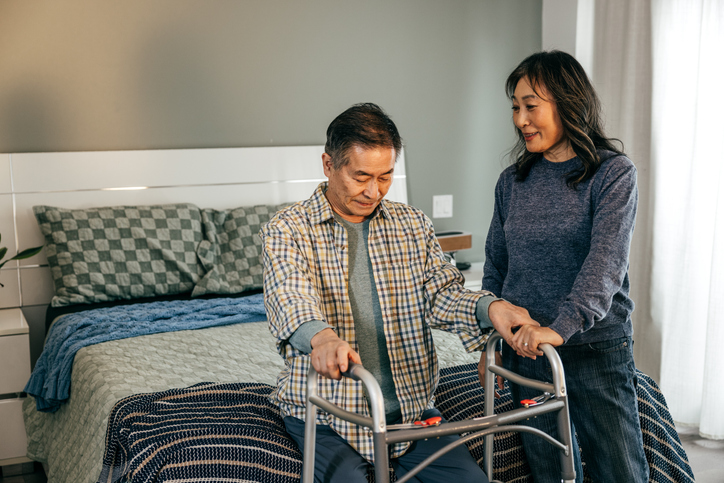
According to the National Library of Medicine, one in nine Americans has at least one surgery each year. The hospital discharge is just the beginning. Imagine returning home from surgery, groggy and sore, only to discover you can’t climb the stairs, reach the pain meds, or safely take a shower. That’s why preparing your home before the surgery is just as important as the procedure itself. Known as prehabilitation, this proactive approach helps reduce stress, lowers the risk of complications, and prepares you for a safer and smoother recovery.
Here’s everything you need to think about preparing before surgery.
Stay on Top of Recovery
Your doctor is the best resource for preparing for surgery. Ask them what to expect after surgery so that you know how to prepare best. Even when patients are discharged on the day of their surgery, it can take several months to return to normal activities. Following your surgeon’s care instructions can ensure a smooth recovery.
For older patients undergoing joint replacement procedures, physical therapy after surgery is crucial in regaining strength and mobility. “A knee or hip replacement is fundamentally a major surgery,” says Matthew Abdel, an orthopedic surgeon at the Mayo Clinic. “Everything related to that remains essential– preparing the patient, educating the patient, managing expectations, and having a multidisciplinary team in place – all must work together to allow that patient to go home that day safely.”
Things to consider:
- Learn the best way to contact your doctor if you need assistance after the surgery. If your doctor uses a patient portal to communicate with patients, make sure that you are registered and have access before your procedure.
- Know what your pain management plan will be. “Pain after surgery is something that a lot of patients fear,” says Sterling Elliott, a clinical pharmacist and a professor at Northwestern University. “Knowing how to make good decisions about your options, especially nonopioid ones, will help you feel better and make the best progress.”
- Research outpatient rehabilitation facilities that accept your insurance and would be willing to work seamlessly with your doctor.
- Stay on top of your follow-up appointments to ensure timely and effective communication.
Arranging for Help
You’ll likely need support with a variety of tasks after surgery, from getting a ride home from the hospital to potentially requiring round-the-clock care for several weeks. To ensure your safety, most surgeons recommend having someone stay with you the first night after surgery and arranging for a caregiver to be nearby or living with you for the first three to five days of recovery.
Think about the tasks around the home that you’ll be unable to do on your own. Determine who will be helping you after the surgery and make those arrangements in advance.
Things to consider:
- Arrange for someone to collect the mail, tend to the lawn, or dispose of the trash.
- Don’t forget to check the calendar. Reschedule any other appointments as needed and pay all your upcoming bills in advance.
- If you have pets, consider asking a friend or family member to care for them or board them before the procedure. This will allow you to focus on your recovery and avoid an accident with an active pet.
Preparing the Home
Take time to thoroughly clean and organize your home before surgery. Simple touches—like freshly washed sheets on the bed—can provide comfort and make your recovery more restful. Think about the parts of the home that you’ll need access to the most after surgery.
Things to consider:
- Set up your bed on the first floor if possible.
- Ensure you have convenient access to a safe and easy-to-use bathroom during your recovery.
- Fill the closet with clothes that are easy to put on and take off.
- Move everything you’ll need to where you can reach without having to bend down or stretch.
- Shortly before the surgery, buy the groceries you’ll need while recovering at home.
- Meal prep in advance or make full meals to keep you fed for a week or more.
- Place food in a cabinet between your waist and shoulder height and put the dishes you’ll use most on the kitchen counter.
- Use paper products if doing dishes would not be ideal while recovering.
- Keep your phone and charger handy.
To prevent falls, inspect every room for tripping hazards. This includes tucking away electrical cords, installing nightlights, getting clutter off the floor, and securing rugs. Rearrange furniture to create clear pathways for walking, especially if you’ll be using assistive equipment such as crutches or a wheelchair. For more extensive recovery periods, a home healthcare professional can visit your home to provide installation recommendations, such as grab bars in the bathroom or a stairlift in two-story homes.
While preparing the home for an upcoming surgery can be a lot of work upfront, the opportunity to recover in one’s home environment is beneficial. “It satisfies patients,” says Abdel. “You recuperate with your family. You recuperate in your home environment. You don’t feel like you’re institutionalized.”
Many people feel apprehensive before surgery, but poor mental health can negatively affect recovery. Anxiety and depression are shown to increase pain and stress, as well as slow wound healing. Getting outside, making time for enjoyable activities, and eating a healthy diet are all ways people can care for their mental health before undergoing surgery. With Insureyouknow.org, you may store all of your medical and financial records in one accessible place, giving you one less thing to worry about while you recover.
Take Control of Your Health Data with a Digital Record Trust
July 31, 2025

Imagine having all your medical records in one place where you decide who gets to see them. That’s the idea behind a health record trust. Instead of hospitals or clinics controlling access, this system gives you full ownership of your health information.
In the traditional setup, your data is scattered across different providers. It’s hard to access quickly, and you often have to go through formal requests. A health record trust puts you in charge, making your records easier to manage, share, and keep safe.
Why Personal Ownership of Health Data Is Important
When people have control over their personal fitness statistics, they’re empowered to take rate in their care. Instead of counting on hospitals or clinics to manipulate the facts, people can access, update, and proportion their statistics when and how they pick.
This sort of ownership improves portability, permitting sufferers to hold their scientific history throughout providers and places. It also supports accuracy, considering that patients can correct mistakes and hold their data modern. Most importantly, it promotes transparency, making it easier to understand your very own health and make knowledgeable selections.
Personal fitness records possession is a key part of affected person-centered care, wherein the focal point shifts from structures to the character. It ensures your information works for you, now not the alternative way around.
Key Features of a Digital Health Record Trust
A Digital Health Record Trust offers you complete control of your scientific records with tools that keep it secure, private, and smooth to manipulate. Here’s what makes it work:
1. Secure Cloud Storage
Your information is saved within the cloud, in order that they’re usually backed up and to be had whilst you need them—on any tool, anytime.
2. Strong Encryption and Privacy Settings
All data is covered with encryption to hold your personal fitness info safe. You manipulate who sees what, and nothing is shared without your permission.
3. Controlled Sharing
You can provide get right of entry to your own family participants, caregivers, or doctors. This ensures the proper human beings assist you while wanted—specifically in emergencies.
4. Version History and Audit Trail
Every replacement is tracked. You can see what modified, while it modified, and who accessed it, so your records live clear, accurate, and trustworthy.
How InsureYouKnow Supports These Core Principles
InsureYouKnow places you in control of your virtual health statistics. You can manage who sees your files with custom to get admission to permissions—whether or not it’s a circle of relatives, medical doctors, or caregivers.
All files are stored securely inside the cloud with sturdy encryption, preserving your touchy fitness statistics personal and protected.
Built-in reminders assist you hold the whole lot present day, so your facts are always updated while you need them maximum.
Real-Life Use Cases for Digital Health Record Access
1. Travel or Relocation
Whether you’re shifting to a brand new city or journeying abroad, having instantaneous admission to your virtual health facts guarantees docs can get the facts they need quickly—even if you’re a ways from home.
2. Transition of Care
As teens circulate from pediatric to adult care, a secure fitness document machine allows them to make that transition smoother. With all clinical records in a single location, new vendors get the entire image without delays.
3. Long-Term Caregiving
For caregivers coping with the fitness needs of a parent, spouse, or baby, digital access to scientific facts is crucial. It simplifies coordination, reduces stress, and ensures the proper decisions are made at the right time.
Simple Action Steps to Take Control of Your Health Records
1. Review How You Store Your Health Documents
Start by checking in which your scientific records, coverage papers, and emergency contacts are stored. Are they scattered across folders, emails, or physical documents? A short audit enables you to notice what’s lacking or old.
2. Choose Trusted People for Emergency Access
Think approximately who needs to be capable of viewing your information in case you’re ever in an emergency. It might be a partner, adult toddler, caregiver, or dependent on a pal. Make sure they know the way to get entry to what’s wished while time subjects most.
3. Set Up a Secure Digital Vault with InsureYouKnow
InsureYouKnow allows you to construct a non-public health record machine that acts like a virtual “relied on vault.” You can prepare your medical data set, get admission to permissions, and hold the whole thing competently stored in a single area with strong encryption and cloud safety.
Conclusion
Taking ownership of your health facts isn’t just about convenience—it’s about being organized, knowledgeable, and in control. When you control your own fitness records, you reduce the threat of delays throughout emergencies, enhance communique among vendors, and ensure nothing vital is misplaced or neglected.
By preserving your documents prepared, available, and steady in a relied on platform like InsureYouKnow, you create a machine that works for you and your family—each time and everywhere. It’s a simple step that brings lengthy-time period peace of mind and strengthens your potential to make informed selections approximately your care.
Now is the time to take control of your health statistics and construct a more secure, smarter future.
Everything You Need to Know About Endometriosis
July 1, 2025

According to the World Health Organization, 10% of women worldwide, or 190 million women, are diagnosed with endometriosis. But the actual number of women who have endometriosis is likely much higher as so many cases go undiagnosed.
Endometriosis is a disease in which the tissue similar to that which lines the uterus begins to grow outside of the uterus, potentially causing pain and other complications. The main symptom of endometriosis is a painful menstrual cycle, but the pelvic and abdominal pain associated with endometriosis may eventually become chronic.
Endometriosis can begin with the first menstrual cycle and last through menopause. Because so many women are dismissed as simply having painful cycles, it’s essential to raise awareness about this condition.
If you think you or someone you know may be suffering through symptoms without a diagnosis, here’s everything you need to know about endometriosis.
What Makes Diagnosis Difficult
Women see seven physicians on average before getting diagnosed, and the average delay for diagnosis is 8.5 years. Because the symptoms of endometriosis can mimic other conditions, such as irritable bowel syndrome, diagnosis is often prolonged, if even diagnosed at all. “Endometriosis is a fascinating, but troubling disease,” says Dr. Hugh Taylor, chief of obstetrics and gynecology at Yale New Haven Hospital. “It’s something that is often missed,” he says.
Another factor that makes diagnosis difficult is that the only way to diagnose someone with endometriosis definitively is through a laparoscopic procedure. Once endometrial lesions are deep enough, some may appear on an ultrasound, CT, or MRI scan. But by then, the stage of endometriosis may be somewhat advanced. Doctors may suspect the disease and clinically diagnose and treat patients for the time being. If endometriosis is suspected, the only way to a definitive diagnosis is through a laparoscopy.
What to Know About Symptoms
Besides having difficult periods each month, other symptoms include pain that becomes chronic throughout the body, digestive irregularities, bladder issues, fatigue, infertility, and mental health struggles. “We’re not talking a little bit of pain here,” says Philippa Saunders, a reproductive biologist at the University of Edinburgh. “People can’t function.”
When it comes to endometriosis, it’s important to understand that the disease is a whole-body issue. “In the past three to five years, there’s been a complete reframing of this disorder as a neuroinflammatory whole-body condition,” says Saunders. “It isn’t just about a little bit of tissue stuck in the wrong place. Your whole body has reacted.”
Because the tissue can grow anywhere outside of the uterus, endometriosis has the potential to spread throughout the body, affecting every major organ system. Many symptoms are caused by the inflammation that occurs because of the disease. This is why a patient may experience bowel issues, even when lesions are absent in the bowels.
Why You Need a Specialist
Even though endometriosis is a gynecological condition, not every gynecologist is extensively trained in diagnosing and treating endometriosis. Because the condition is so complex and largely misunderstood, even the best doctors are not equipped to treat the disorder if they don’t specialize in it.
The Endometriosis Foundation of America recommends finding a specialist that has exceptional surgical skills, access to modern techniques and equipment, a current understanding of various treatments, and an openness to complementary approaches. Since there is no known cause or cure for endometriosis yet, the best way to manage the condition is through ongoing treatment with a trusted doctor.
“For women, it can be validating to learn that all of their symptoms have an explanation and that we have effective treatments,” says Taylor. If you suspect endometriosis, you should ask your healthcare team, including your general doctor, OB-GYN, and pelvic floor therapist, if they have any recommendations for specialists in your area.
Listen to your body and remain committed to finding a doctor who will listen to you, too. Trust your intuition and ask yourself if a doctor is listening to you, acknowledging your symptoms, and addressing your concerns.
Treatment Options
If endometriosis has been confirmed through another laparoscopic procedure or it is suspected, an excision surgery becomes an option in reducing pain and preventing further complications. Excision surgery at the root of a lesion, rather than ablation, is the best way to prevent the lesions from returning.
However, the removal of lesions is not a cure. A study in the International Journal of Obstetrics and Gynaecology found that 62% of women with endometriosis had a second surgery within two years, while half had a repeat surgery within 5.5 years.
The recurrence rate is why maintaining the condition is the main component of ongoing treatment. Make sure you have a doctor who is knowledgeable in hormone therapy, is monitoring your symptoms closely, and making lifestyle recommendations. For instance, plenty of movement and exercise, particularly pelvic floor therapy and Pilates, reduce recurrence and symptoms, while a plant-based anti-inflammatory diet does the same.
If you are diagnosed with endometriosis, then prioritizing your overall health will be the best thing you can do to manage the condition. Do everything possible to reduce your symptoms, including working with your doctors. With Insureyouknow.org, you may keep all of your research, medical records, and financial documents in one place, making the management of your endometriosis less overwhelming.
Everything to Know if You Want to Live and Age in Place
June 1, 2025
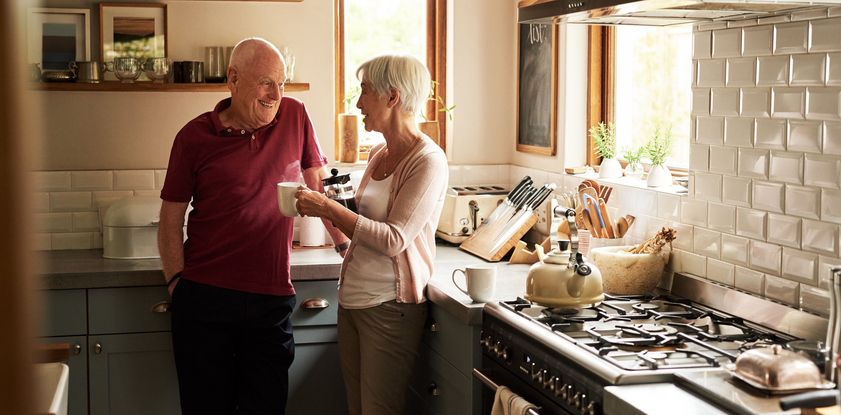
Most people would prefer the comfort of having their own space as they age. Studies show that as many as 90 percent of adults wish to remain home. Living in place, sometimes known as aging in place, also equates to maintaining independence for as long as possible.
“For many of us, home is comfort. There’s a history we are familiar with: It’s family, friends and neighbors. It reflects our culture and our community,” says Emily Johnson, a licensed clinical social worker. “As we begin to lose control of other aspects of our life, staying in our home says, ‘I can accept help, but I am still running the show.”’
Remaining home as you grow older requires careful consideration and thoughtful planning. Here’s everything you need to know about living and aging in place.
Make Your Plans Now
The best thing to do if you want to age in place is to plan for it now while you are still able to. Consider what kind of help you may need now or want in the future. Planning ahead gives you time to set up your home and budget for the required changes and services.
Be sure to factor in any health conditions you or your spouse may already have. Think about how that condition may make it difficult to care for yourself independently. Then, talk to family and friends about what level of support they can offer. Ensure everyone’s realistic and plan to revisit the issue periodically over time.
On average, an adult over the age of 65 falls every second in the U.S. You can prevent accidents at home with these simple safety measures:
- Apply contrasting colored electrical tape on stair landings.
- Remove throw rugs without grip from the home.
- Clear away clutter, including loose cords.
- This includes the outdoors; porches and walkways should be swept and shoveled.
- Ensure the home is well-lit and place night lights in halls and bathrooms.
- Always use handrails and install grab bars in showers and tubs and next to the toilet.
- Always wear proper-fitting supportive shoes in the house and outdoors.
As conditions change, you may need to reassess your home regularly for potential hazards. To troubleshoot, ask a family member or friend to complete a walkthrough with you for a second set of eyes.
Budget For Services
Home-based care services can be used in short-term situations, such as during recovery from surgery, or in the long term for those who need ongoing help. In addition to healthcare services, people may need help with chores, meal delivery, or transportation for doctor’s visits.
While home-based services can be expensive, they may cost far less than moving into an assisted living facility. The Eldercare Locator is a resource that connects people to caregivers through local support services.
People often rely on various payment sources, including personal funds, long-term care insurance, and government programs. For more information on government-based healthcare and financial assistance, visit USA.gov.
Prioritize Your Long-Term Health
If your goal is to stay home, then make your overall health maintenance a top priority. Stay current with your doctor’s visits and set alarm reminders for medications.
Make a plan to maintain body strength as you age, powerful legs to support balance and assist you in getting up safely from a seated position. “Strength, balance, and flexibility exercises are key to preventing falls, which are among the greatest threats to our healthy longevity,” says Scott Kaiser, a family physician and geriatrician.
In addition to scheduling regular exercise into your routine, don’t forget about your mental well-being. “Investing in meaningful relationships is one of the most important things we can do to increase our health, quality of life, and wellbeing,” says Kaiser. Remain engaged in social activities and plan visits with loved ones, including video calls with those who live farther away.
Prepare for the Unexpected
Always be prepared for unexpected events and medical emergencies. “Be proactive,” says Johnson. “Where are there gaps now or barriers to living independently in the future?” For instance, if you have a preexisting allergy or medical condition like diabetes, wearing a medical alert ID bracelet is a simple precaution. A wearable electronic monitor that can alert emergency personnel in the event of a fall is another easy measure to implement.
Even if the plan is to stay at home for as long as possible, there may come a time when that’s no longer safe. The decision about whether or not to move away from home is a difficult and emotional one to make.
It’s best to mentally prepare for that possibility now while there’s still time to have some control over where you’ll go. Learn as much as possible about the available housing options and include loved ones in the search.
Living in place is an attainable goal with the right amount of forethought. At Insureyouknow.org, you may store all of your financial and medical records in one easy-to-review place. By staying on top of your budget and health needs, you will have already taken care of the most critical components of your aging-in-place plan.
Choosing the Right Care Center for Loved Ones
May 15, 2025
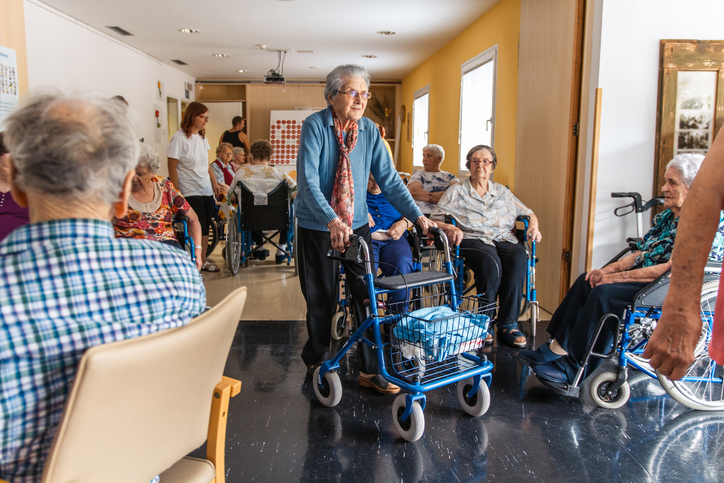
Moving a loved one into a care facility is an important decision that requires careful consideration. Choosing the right one takes in-depth research to determine if it’s a good fit for the individual’s needs. There are nearly 31,000 assisted living centers in the U.S. The first step in finding care is understanding the difference between types of facilities and whether they can provide the level of attention the patient needs.
Types of Care Centers
A nursing home provides around-the-clock medical care for individuals who will likely remain there until their passing. These are meant for individuals who can no longer care for themselves independently or be cared for by their loved ones at home. A skilled nursing facility may be intended for a short or long period. Still, it provides a higher level of medical attention and is usually for those recovering from surgery or an illness.
Independent living and assisted living centers are for those who need less intensive medical assistance but still require some level of care. A continuing-care center can serve as an intermediary between assisted living and a nursing home. For individuals who need 24/7 care and supervision due to Alzheimer’s or dementia, there are memory care centers that specialize in those specific needs.
Paying for Long-Term Care
Many people are unaware that there is no federal assistance available for long-term care costs. There is one exception in which Medicare will pay for the first 100 days in a nursing home or skilled nursing facility if the patient has been hospitalized for at least three consecutive days within the last year before needing to be transferred to a care facility.
Paying for care can be a significant issue for families as it can become costly. “Nursing homes are one of the most expensive levels of care,” says Amie Clark, a senior care expert. “And most people don’t have that kind of money.”
Long-term care insurance policies may be a wise, proactive investment, but they can also be expensive. In most cases, people pay privately or out of pocket until their resources are used up. According to the NCHS, 62% of nursing home residents use Medicaid as their payment source.
Other Factors to Consider
Unfortunately, nursing homes face their fair share of challenges, such as being understaffed or dealing with infectious outbreaks. This is why it’s so important for families to do their due diligence in researching facilities and not feel rushed into making a decision.
Medicare offers an online resource to find and compare nursing homes, hospitals, and other care facilities in your area. It uses a five-star rating system and provides information about each nursing home, including vaccination rates and inspection reports. Another helpful resource is the Nursing Home Inspect, which compiles nursing home inspection reports.
Experts suggest not relying on ratings alone and focusing on a facility’s staffing, saying that nothing beats an in-person visit.
Here’s what to do when you’re on-site:
- Speak with a range of employees, from administrators to activity managers to culinary directors.
- Take note of response times.“How long does it take for call lights to be responded to?” says Shannon Gimbel, manager of the ombudsman program for Denver’s Area Agency on Aging. “Are residents standing in hallways waiting for medication?”
- Notice the patients’ level of hygiene. “Listen in the hallways,” says Tony Chicotel, attorney for the patient advocacy group California Advocates for Nursing Home Reform. “Look at the hair, clothing, teeth, and fingernails of the residents.”
- Try the food. Sit in the dining hall with other residents and observe the interactions between patients and staff.
- Ask about the activities offered to residents and consider whether or not they will be intellectually stimulating.
While it’s best to find a care facility that’s close to you, traveling farther for the best fit may become necessary.
Once you determine what kind of facility your loved one needs and make payment plans, then you should do your research and take the time to visit all of the centers you’ve narrowed down on your list. With Insureyouknow.org, you may compile your research, keep track of finances, and store your loved one’s medical records in one easy-to-review place. While it will take some research, finding the right place will provide you with invaluable peace of mind.
How Much Sleep Do You Really Need?
May 1, 2025

You might pride yourself on burning the midnight oil or think you’re functioning fine on five or six hours of sleep—but your body would likely disagree. According to the CDC, a third of all adults in the United States report that they don’t get enough sleep, and that’s troublesome since the benefits of a good night’s rest are numerous. Sleep isn’t just downtime—it’s when your brain files memories, your body repairs itself, and your mood resets.
So how much sleep do you actually need to feel your best? It’s not a one-size-fits-all answer. While many people are under the assumption they can operate on less than seven hours of sleep a night, research shows that seven hours is just the bare minimum needed.
Here’s everything you need to know about how long you should aim to sleep nightly.
Seven Hours Isn’t Exactly the Golden Rule
According to the CDC, the average adult between the ages of 18 and 60 needs at least seven hours of sleep. “Some people need less than seven hours, while others might need more,” says Eric Zhou, a psychologist at the Division of Sleep Medicine at Harvard Medical School.
While people usually focus on the amount of sleep they need, they forget to consider the quality of sleep they’re having. For instance, you may go to bed at 11 p.m. with an alarm set for 6 a.m., but when do you actually fall asleep, and are you staying asleep all night?
“Instead of focusing exclusively on the number of hours we sleep per night, we should also consider our sleep quality,” says Zhou. It’s about the time you spend in bed every night, but it’s more about the amount of uninterrupted deep sleep you’re experiencing nightly.
Wearable sleep trackers, such as the Oura Ring, Fitbit, or Apple Watch, can provide valuable insight into your patterns and help you develop better sleep habits.
Women May Require More Sleep
The traditional estimate of nightly seven to nine hours of sleep is based on studies that only involved men. This has recently led many to wonder whether or not women need more sleep than men, and several factors suggest they may.
Since women are often caregivers, they are wired to multitask and use more of their brain, while they also report higher levels of stress. This mental exhaustion alone could account for them requiring slightly more sleep every night.
The other factor is hormonal, depending on where they are in their cycle each month, as well as during pregnancy and even after menopause. For instance, the hormone progesterone, which peaks at different times, is a relaxing hormone and often leads to drowsiness.
While not everyone agrees, many health professionals are beginning to recommend more sleep for women, who probably need at least eight hours of sleep a night.
Factoring in Age
The younger you are, the more sleep you need, especially when the body is growing or going through major changes. A newborn needs up to 17 hours of sleep a day, while a teenager between the ages of 13 and 18 needs up to ten.
As you age, melatonin production, which is the sleep hormone, declines. The result of less melatonin is waking up earlier or waking up throughout the night. Once over the age of 61, getting the recommended amount of nine hours of sleep can become more challenging.
How to Get a Good Night’s Sleep
Consistency is key for a good night’s sleep. Try maintaining the same time window between lying in bed and waking up. This works because the body recognizes routine and can be trained to sleep within a specific time frame. “People with good sleep quality often have a predictable sleep window where their sleep occurs,” says Zhou. “Good sleepers are likely to sleep around the same number of hours and stay asleep through the night.”
Physical activity during the day also influences how well you sleep at night. The more activity you incorporate into your day will directly correlate to how much sleep your body needs and therefore, how tired you’ll be by bedtime. “Activity increases your sleep drive,” says Dr. Michelle Drerup, a sleep medicine psychologist. “It’s important to develop exercise as a habit. Pick a time of day that works for you and exercise at the same time every day.”
Refraining from eating two to four hours before bedtime can also help. When we eat, the body must switch gears to digestion, so when you eat right before bed, you must focus on digesting that food and cannot fall into a deep sleep. Eating before bedtime robs your body of its capacity to concentrate on the work it does while you’re sleeping.
The same rule applies to nightly screen time. Studies show that two or more hours of screen time in the evening can disrupt the rise in melatonin you need to fall asleep. Turn devices off at least one hour before bedtime, and replace scrolling with reading a book, taking a bath, or meditating. If you must use your phone at night, reduce your blue light exposure by turning down the brightness or switching to nighttime mode in the evening.
Building a routine that you can stick to ensures the right amount of sleep every night is possible. With Insureyouknow.org, you can store your medical records in one easy-to-review place. The effort you put into a good night’s rest will show in time.
Everything to Know About Equine-assisted Psychotherapy
March 14, 2025

Horses are well known for the special connection they form with their owners, but bonding with horses is not only more accessible than ever, it can be healing. Beyond pet companionship, horses can be used in therapeutic settings to help people process challenging emotional experiences.
During equine-assisted psychotherapy (EAP), people may groom, feed, or lead a horse with a mental health professional nearby. The main goal of this form of therapy is to help patients with emotional regulation. EAP differs from traditional talk therapy as it offers a more inviting setting, brings people outside, and allows them to use all their senses while processing emotions.
How Horse Therapy Differs From Traditional Counseling
Unlike humans, horses bring different qualities to therapy. For example, horses cannot give patients a feeling of bias or judgement, but because they are sensitive to emotions, they still convey a sense of understanding and connection. “They’re sentient beings, and they think and feel and have incredible memories,” says Paige Deponte, director of an equine-assisted trauma-informed care organization in Honokowai, Hawaii. “They were made to do this.”
Plus, horses’ care, such as feeding and grooming, is therapeutic and helps build empathy. The horse’s unique nature gives people a better awareness of their emotions, increased adaptability, stress tolerance, and even self-esteem. “The goal is for the client to find out more about their needs through a series of questions,” says Depontei. “No session is ever the same.”
Horses Have Been Used in Therapy Throughout History
Hippocrates, the Greek physician known as the “Father of Medicine,” wrote about the therapeutic benefits of horseback riding around 400 BCE. Around the world, horses have even been used to heal specific physical ailments. Scandinavia used equine therapy to treat patients with myelitis in 1946, and in 1952, the Olympian Liz Hartzel credited the healing power of horses as helping her recover from polio.
Riding became a popular form of therapy in the 1950s and 1960s. The North American Riding for Handicapped Association was formed in 1969 and eventually became the Professional Association of Therapeutic Horsemanship International, recognized as PATH. By the 1980s, American and Canadian therapists created a more structured Hippotherapy model to be referenced for treatment.
The Benefits of Horse-Assisted Therapies
Equine-assisted forms of therapy are becoming more popular because of increasing evidence of their effectiveness. “I think it’s growing, and the benefits of it are commanding attention because it is unique,” says Whitney Diamond, who breeds and trains horses for a living. “A huge part of the reason why I believe that the therapy is so powerful with horses is that they’re so primal.”
It’s thought that since they’ve been domesticated for some time, horses are attuned to human emotions and nonverbal signals. This allows them to mirror what someone is feeling, enabling the patient to recognize their mental state. “A big part of therapy is that you must work with them,” says Diamond. “It’s powerful because you have this other being that’s not judging you, that’s working off synergy and energy, and they’re going to meet you where you’re at, good or bad.”
EAP is shown to be just as effective in children, teens, and adults and may be used to help with anxiety, depression, and trauma. EAP can benefit young children who find it challenging to open up and process painful experiences.
There are also physical benefits from working with horses. Caring for an animal is shown to decrease blood pressure and improve cholesterol levels. Horses in particular encourage socialization through other riders, which can lessen feelings of loneliness and isolation. Vigorous horseback riding is also a great cardiovascular exercise, while grooming the horse and taking care of equipment can help build strength.
How to Find a Treatment Center Near You
You may reference PATH Intl. or the Equine Assisted Growth and Learning Association to find an EAP certified professional. These are the most reputable organizations that set the standard, train, and certify anyone using horses as a part of therapy.
Those who are interested in trying EAP are advised to find a program that specializes in their specific difficulty, such as anxiety or trauma recovery. The mental professional at the given organization will then be able to tell potential clients whether or not they seem like a fit for the program.
If you have any physical limitations, especially back injuries, then EAP might not be the right fit for you. Other considerations include a fear of horses and the cost of therapy, which may not be covered through insurance.
If you or a loved one may benefit from equine-assisted therapy, you may look for an organization that takes your insurance or offers affordable care. With Insureyouknow.org, you may keep your medical records and progress reports in one easy-to-access place. By keeping track of the changes you notice during therapy, you can observe how you benefit from this unique form of connection in many different ways.
Medicare Grocery Allowances: Who Qualifies and Is it Worth it?
January 15, 2025

In 2020, the Medicare Advantage expanded coverage benefits for those with chronic conditions, such as cancer, autoimmune disorders, diabetes, end-stage renal or liver disease, heart disease, and more. The coverage expansion is referred to as the special supplemental benefits for the chronically ill or SSBCI. Some additional benefits include food allowances and prepared meals, but in some instances, they may even include over-the-counter medications, transportation, and in-home support services.
If you’re interested in receiving a grocery allowance or meal benefits or need food assistance, here’s everything you need to know about the additional coverage.
How the Medicare Grocery Allowance and Meal Benefits Work
Grocery allowances and meal benefits are not the same. If you qualify for grocery allowances, they are issued through prepaid debit cards on a monthly or quarterly basis. While the grocery allowance varies by state, it is usually $50 each quarter.
Under the CHRONIC Care Act, as of 2020, Medicare Advantage plans could also provide meals anytime to keep eligible recipients from needing hospitalization. Meal benefits are often more popular than grocery allowances, but it’s usually only offered for a limited amount of time, which is typically four weeks after a hospital stay.
Knowing Which Plans Offer Food Assistance
Not all Medicare Advantage plans include food allowances, so it’s important to determine if you qualify before choosing a plan. Traditional Medicare Part A and Part B and Medicare supplement plans, which are meant to supplement gaps in coverage, do not offer a grocery allowance. Some Part C Medicare Advantage Plans do offer grocery allowances and meal benefits, such as special needs plans or SNPs and dual-eligible special-needs plans D-SNPs. D-SNPs are meant for Medicare members who are also enrolled in Medicaid and who have a chronic condition. Those with Medicare Advantage plans who are disabled or who have a low-income subsidy or LIS may also be eligible to receive grocery benefits.
The CHRONIC Care Act of 2020 gave Medicare Advantage plans the ability to offer non-medical benefits such as funds for groceries. “Therefore, the Medicare Advantage plan can decide if they want to provide those benefits, and those benefits have to be designed only for the chronically ill,” says Alexandra Ashbrook, director of the Food Research and Action Center. “The non-medical services have to be targeted to people who have at least one chronic health condition, such as those at risk of hospitalization or some other adverse health outcome requiring intensive care coordination,” she says.
Qualifications for the grocery and meal benefits vary by plan, so it’s important to check with the plan’s provider to see what they offer and if your health condition qualifies. Choosing a plan based solely on food allowances isn’t the best approach over the long run. So, even if the plan offers a grocery or meal benefit, it may not justify what you pay for the plan. Whether or not the plan covers medical needs should always be the priority. Take into account every benefit the plan offers before making a decision.
What to do if You Don’t Qualify for Medicare Food Allowances
There are still other options for those who do not qualify for the grocery allowance through their Medicare Advantage Plan. Low-income seniors 60 or older can apply for food assistance through the Supplemental Nutrition Assistance Program or SNAP. Many people don’t even realize that they qualify for these benefits. “Unfortunately, only about 48% of eligible older adults are participating in SNAP,” Ashbrook says. “That’s a really important gap that health care providers and health systems could help to close before looking at any of the other additional food programs.”
Those who are 60 or older and have an income below 185% of the federal poverty income guidelines may also qualify for the Senior Farmers’ Market Nutrition Program SFMNP or the Commodity Supplemental Food Program or CSFP. The SFMNP provides coupons for fresh fruits and vegetables, which can be used at farmers’ markets and community farms, while the CSFP is a monthly package of healthy food that the USDA distributes to local agencies for participants to pick up. If eligible, some states even offer package deliveries.
To find out if you are eligible for SNAP or either of these additional programs, you may fill out an application online. If you’re a veteran, for instance, you may be more likely to qualify for USDA food assistance programs. Even if you are not eligible for Medicare grocery allowances, SNAP, or other supplemental programs, you still have options. Meals On Wheels is another program designed to help low-income seniors access prepared meals. The meals are provided on a sliding scale based on a recipient’s income to make them an affordable option for those in need.
If any food assistance will help you, then exploring every available benefit will pay off. Whether it’s a Medicare food allowance or a USDA-based food assistance program, helping purchase and prepare healthy foods can go a long way in improving the quality of your everyday life. With Insureyouknow.org, you may keep track of your applications, health records, and grocery budgets in one easy-to-access place for all your meal planning needs.
The Health Benefits of Even the Shortest Vacations
December 15, 2024

Just like an athlete benefits from breaks during exercise, vacations are an important part of someone’s well-being. According to a Pew Research Center survey in 2023, nearly half of the U.S. workers surveyed said they take less time off than the paid time off their employers gave them, while globally, eighty-five percent of workers reported that vacations make them feel more optimistic and that regular vacations are important for their overall health.
“Not taking time off from work to go on vacation or simply rest can lead to overwork and burnout,” says Joyce Marter, a licensed psychotherapist. “People should use all the vacation time allotted to them—and sick days should also be used.
If you’ve been feeling the need for a true rest, here’s everything you need to know about getting the most out of even the shortest vacations.
The Right Amount of Time Off
While experts agree that any amount of vacation time is beneficial, three weeks per year may be just the right amount to benefit your health. The European Society of Cardiology conducted a 40-year-long study that found people who take less than three weeks of vacation time per year have a 37% greater risk of premature death, even despite living an otherwise healthy lifestyle.
Another study in 2020 showed that people who split two weeks of annual vacation time into five short breaks had a 24% lower risk of metabolic syndrome. Even the long weekend can come with serious benefits, as those who took a four-day vacation had improved stress-levels for an entire month after returning to work.
Since the positive effects of a trip usually fade after a month of being back home, taking several short trips throughout the year can be more beneficial than one or two long vacations. Plus, the planning process can make you feel happier than the trip itself, so allowing yourself to plan and look forward to a trip more often throughout the year extends the benefits of your vacation time even more.
The Right Way to Travel
Simply going on vacation won’t necessarily result in feeling as though you have a break. “I’ve heard countless times how exhausted people are when they come back from their vacation and feel like they ‘need a vacation from their vacation,’ and that’s because many times we pack so much into a very short amount of time,” says Esther Susag, a travel blogger. “We want to see everything, do everything, and not waste a minute.”
In order to benefit from any amount of time away, it’s important that you provide yourself with the opportunity to actually rest.
Slow travel is a more meditative approach to traveling that allows people to slow down, as the name suggests, and literally stop and smell the roses. “If you want to really unplug and relax without the stresses of traveling then slow travel may be for you,” says Mark Wolters, a YoutTube travel channel host. “You get to unpack your suitcases less, take fewer planes, trains and automobiles and just relax in a destination.
Once you’re on vacation, give yourself the gift of a loose plan. Do some research ahead of time and bring a list of some things you don’t want to miss when you’re there, as well as a few restaurant possibilities. For every day that you’re there, have a half day’s worth of activities planned, giving yourself the time and space in each place to really enjoy the experience.
The Right Companion
In order to have a truly beneficial break, it becomes important to choose the people you vacation with carefully. “Spending time with family and friends are all things that we know can increase well-being and even reduce stress,” says Stephanie Preston, psychology professor at the University of Michigan. “There can be a lot of interpersonal conflict over how you manage the schedule and the priorities.”
While the idea of traveling with extended family, for instance, seems like a good idea on paper, trying to please everyone may prove to be the opposite of a relaxing getaway.
That being said, vacations can also provide the opportunity to bond with your family members and create truly lasting connections with one another. When you plan to travel slowly, your adventure becomes more about being together as a family than about visiting as many attractions as possible. Slow travel provides the space not only to notice your surroundings but also to notice the people you are seeing them with.
The Right Location
Once you decide who to travel with, opt to stay at a vacation rental rather than a hotel. Rentals are rarely at the center of the tourist attractions. This provides both a more relaxing environment to unplug in but also immerses you more deeply into the local experience. Plus, with rentals that have fully stocked kitchens, there’s less of a reason to have to leave and more of an opportunity to stay in and unwind.
The Right Format
Most people intuitively sense that taking a break is good for their health. What’s most important for people to realize is that they don’t need a vacation to have a break. “Many people don’t often have a choice in how much rest is available to them,” says Julia Kocian, a social worker and mental health counselor. “The way society is set up, we treat rest as a privilege, not a right,” she says.
Whether it’s taking a walk in the evening or meditating while you fold the laundry, only you will know what activities best help you to relax. “I view rest as intentionally slowing down or stepping away from an activity, while taking a break can be more active, like going on a walk or stretching,” says Samantha Artherholt, a psychologist and professor at UW School of Medicine. “The goal of any sort of rest or break is it should feel relaxing. You should feel refreshed and better after the break than you did before.”
Work yourself up towards taking more vacation time by finding ways to distribute downtime throughout your day and week. “The biggest thing is giving yourself permission to do it,” Artherholt says. When you learn more about what feels like rest to you, then you can start planning a handful of short vacations for yourself throughout the year. With Insureyouknow.org, you may store your destination research, savings goals, and travel plans all in one place. Remember that planning for your next vacation may be over half of the fun.