
Author: Gerry Acuna
Making Friends at Any Age: Why It’s Never Too Late
April 1, 2025

As you get older, you have more responsibilities and are busier than when you were younger, so it may seem like you have less time to make friends. Due to family and professional responsibilities and eventually retirement, people only go to a handful of locations outside their home.
“People make friends in all stages of life,” says Saba Lurie, licensed marriage and family therapist in Los Angeles. “Maintaining and making new friends as we age may be more difficult because we’re spending less time going to places such as work, religious and community centers.”
By being willing to connect with new people and stay in touch with our friends, developing a rich social network is possible as we age and is beneficial to our health.
The Liking Gap and Acceptance Prophecy
When people meet others for the first time, they perceive themselves to be less likeable than they are. Researchers call this phenomenon the “liking gap.” That means that when you meet people for the first time, they will likely enjoy your company more than you realize. If you keep that in mind, it may be easier to introduce yourself to new people and feel more confident in how you’re perceived.
If you believe that others will accept you, then the odds of you being accepted by them rise. Conversely, if you think other people won’t take you upon meeting you, the odds increase that they won’t. This is called the “acceptance prophecy.” So if you believe they’ll like you when you meet someone new, they probably will.
Remembering the liking gap and acceptance prophecy when interacting with others for the first time should empower you and give you the courage to put yourself out there more often.
Where to Meet New People
No matter what kind of friend you’re looking for, the best place to start is with what interests you. If your job is also a passion, you may want to try connecting with your coworkers at work and off hours.
But if your job is simply what you do and not necessarily what you love doing, consider incorporating more hobbies into your schedule. That could be joining a gardening meetup, running club, or pickup basketball game.
Outside of work and other hobbies, consider your identity. Are you a mom of young children, for instance? Then you may want to find a mommy and me playgroup or join the parent-teacher association at your child’s school.
Putting yourself around others with similar passions, interests, or lifestyles makes it easy to find things to discuss and relate to each other. “Take an art class, volunteer at the library. Develop some regular routines,” says Lurie. “You need to take a step in showing up.”
Companionship Versus Deep Connections
It’s important to remember that there are different kinds of friends. Some friends are good companions while at work or as a workout buddy at the gym. These types of connections can become more substantial in time, but if not, that doesn’t mean that these types of companions are less valuable. People who have more companions and social interactions with new people are happier than those who have fewer as well as being happier on days when they have more encounters. “These minimal social interactions give us something important that we missed during the pandemic: novelty,” says Gillian Sandstrom, senior lecturer in psychology at the University of Sussex. “We learn surprising things when we have unplanned encounters and conversations with people.”
Most people only form deep connections with a handful of people in their lifetime. These are the relationships that stand the test of time and distance. Many people with this kind of connection can go years without seeing each other but maintain closeness by checking in regularly with one another. With long-term friendships such as these, it’s important to work at fostering them, whether that’s making the point to see them in person when you can or by staying in regular contact with them through texting, phone calls, and video chats.
Keeping Friends Close During Hardships
Sometimes, life gets challenging or overwhelming. Many people will self-isolate when the going gets tough instead of reaching out to those around them, but the hard times hold friendship benefits. Reaching out to a friend when you need support can strengthen that bond, while feeling connected to others alleviates stress. Researchers have even found that people judged a hill to be less steep when accompanied by a friend.
While making time for friends, whether old or new, may seem like yet another to-do on an already overflowing plate, feeling connected to others more often may help you feel like your life is more manageable. With Insureyouknow.org, you may keep track of your calendar, social obligations, and other essential appointments. By keeping your schedule organized, you can focus on showing up and enjoying the company of your comrades.
Everything to Know About Equine-assisted Psychotherapy
March 14, 2025

Horses are well known for the special connection they form with their owners, but bonding with horses is not only more accessible than ever, it can be healing. Beyond pet companionship, horses can be used in therapeutic settings to help people process challenging emotional experiences.
During equine-assisted psychotherapy (EAP), people may groom, feed, or lead a horse with a mental health professional nearby. The main goal of this form of therapy is to help patients with emotional regulation. EAP differs from traditional talk therapy as it offers a more inviting setting, brings people outside, and allows them to use all their senses while processing emotions.
How Horse Therapy Differs From Traditional Counseling
Unlike humans, horses bring different qualities to therapy. For example, horses cannot give patients a feeling of bias or judgement, but because they are sensitive to emotions, they still convey a sense of understanding and connection. “They’re sentient beings, and they think and feel and have incredible memories,” says Paige Deponte, director of an equine-assisted trauma-informed care organization in Honokowai, Hawaii. “They were made to do this.”
Plus, horses’ care, such as feeding and grooming, is therapeutic and helps build empathy. The horse’s unique nature gives people a better awareness of their emotions, increased adaptability, stress tolerance, and even self-esteem. “The goal is for the client to find out more about their needs through a series of questions,” says Depontei. “No session is ever the same.”
Horses Have Been Used in Therapy Throughout History
Hippocrates, the Greek physician known as the “Father of Medicine,” wrote about the therapeutic benefits of horseback riding around 400 BCE. Around the world, horses have even been used to heal specific physical ailments. Scandinavia used equine therapy to treat patients with myelitis in 1946, and in 1952, the Olympian Liz Hartzel credited the healing power of horses as helping her recover from polio.
Riding became a popular form of therapy in the 1950s and 1960s. The North American Riding for Handicapped Association was formed in 1969 and eventually became the Professional Association of Therapeutic Horsemanship International, recognized as PATH. By the 1980s, American and Canadian therapists created a more structured Hippotherapy model to be referenced for treatment.
The Benefits of Horse-Assisted Therapies
Equine-assisted forms of therapy are becoming more popular because of increasing evidence of their effectiveness. “I think it’s growing, and the benefits of it are commanding attention because it is unique,” says Whitney Diamond, who breeds and trains horses for a living. “A huge part of the reason why I believe that the therapy is so powerful with horses is that they’re so primal.”
It’s thought that since they’ve been domesticated for some time, horses are attuned to human emotions and nonverbal signals. This allows them to mirror what someone is feeling, enabling the patient to recognize their mental state. “A big part of therapy is that you must work with them,” says Diamond. “It’s powerful because you have this other being that’s not judging you, that’s working off synergy and energy, and they’re going to meet you where you’re at, good or bad.”
EAP is shown to be just as effective in children, teens, and adults and may be used to help with anxiety, depression, and trauma. EAP can benefit young children who find it challenging to open up and process painful experiences.
There are also physical benefits from working with horses. Caring for an animal is shown to decrease blood pressure and improve cholesterol levels. Horses in particular encourage socialization through other riders, which can lessen feelings of loneliness and isolation. Vigorous horseback riding is also a great cardiovascular exercise, while grooming the horse and taking care of equipment can help build strength.
How to Find a Treatment Center Near You
You may reference PATH Intl. or the Equine Assisted Growth and Learning Association to find an EAP certified professional. These are the most reputable organizations that set the standard, train, and certify anyone using horses as a part of therapy.
Those who are interested in trying EAP are advised to find a program that specializes in their specific difficulty, such as anxiety or trauma recovery. The mental professional at the given organization will then be able to tell potential clients whether or not they seem like a fit for the program.
If you have any physical limitations, especially back injuries, then EAP might not be the right fit for you. Other considerations include a fear of horses and the cost of therapy, which may not be covered through insurance.
If you or a loved one may benefit from equine-assisted therapy, you may look for an organization that takes your insurance or offers affordable care. With Insureyouknow.org, you may keep your medical records and progress reports in one easy-to-access place. By keeping track of the changes you notice during therapy, you can observe how you benefit from this unique form of connection in many different ways.
Lost a Job? Find Your Career Instead
March 1, 2025

After the shock of losing a job subsides, how can you ensure you are career-ready to jump back into the job market?
It’s important to remember that a job isn’t a career. A job is a piece of work you take to pay living expenses. A career is a long-term professional project that can span multiple jobs and pivots throughout your lifetime. For example, someone who loves working with numbers may take a job as a bookkeeper, but they want to build a career as an accountant. Even if they lose the bookkeeping job, they can still pursue the career of being an accountant with further professional development.
With 4 out of 5 workers worried about losing their job in 2025, changing your thoughts from “job search” to “career path” is the path forward. Here are some tips to ensure you are career-ready.
Take Time for Reflection
“Take the time to reflect on where you’ve been and where you want to go before jumping back into the job search,” says Sabina Sulat, author, podcast host, employment expert, and influencer. “If you don’t know where you’re headed, you can’t reach your goal.”
By taking a moment to consider the best next step in your career, you can avoid the trap of signing up for the same qualities that made you sigh with relief when you lost your last job.
Learn a New Skill
As you build a career, adding new tools to your skillset make you a more valuable employee. According to a study published in the Journal of Occupational Health Psychology, people who pursue mastery of a skill experience a more positive attitude and better sleep than those who just exercised or did nothing to alleviate the ongoing anxiety of job loss. Look around and see what skills to acquire to secure your next step in your career.
Pivot
A November 2024 Gallup poll reported that 51% of employees are dissatisfied and actively seeking a new job. Perhaps this last job revealed something you didn’t enjoy about your chosen career path. Now is the time to pivot! This time between jobs can be used to learn about another aspect of your career you hadn’t considered and pursue other opportunities.
Figure Out What You Want…And Ask for It
According to Eric Maisel, psychotherapist and author of Choose Your Life Purposes, we’re naturally reluctant to ask for what we want. “That reluctance at best reduces your enthusiasm and makes for a dry presentation, and at worst it prevents you from reaching out to your connections or to the jobs that interest you,” he says. “On top of all of the practical realities involved, the psychological ones matter a lot, too!”
Do the necessary research to determine what you want, monetarily and career-wise, and practice asking for what you need. You can do this by setting up practice interviews with friends and colleagues, journaling your thoughts, and practicing saying the words in front of a mirror.
Doing the necessary work to make yourself career-ready helps you realize your goals. “This clarity and confidence not only make you a stronger candidate but also shine through in your applications, interviews, and networking conversations,” says Sulat.
InsureYouKnow.org
With the recent rise in layoffs and higher unemployment, you must remain ready to pivot. After you’ve gathered your certifications and updated your resume and portfolio, store them safely using InsureYouKnow.org to keep them organized and easily accessible. Having these important documents at your fingertips makes accessing that next step on your career journey easier.
How to Prepare for College Living: A Survival Guide for Incoming Students
February 15, 2025

Congratulations! You’ve been accepted into college, and soon, you’ll embark on one of the most exciting adventures of your life, along with 16 million others. But before you start dreaming about campus life, late-night study sessions, and newfound independence, there are some practical steps to ensure a smooth transition. From dorm essentials to financial planning, this guide will help you prepare for college living.
1. Master the Art of Budgeting
Living on your own means managing your finances wisely. Here’s how to stay on top of your budget:
- Create a Budget: Track your expenses, including tuition, rent, food, transportation, and entertainment.
- Use Budgeting Apps: Apps like Mint, YNAB, or PocketGuard can help you stay organized.
- Open a Student Bank Account: Many banks offer students accounts with low or no fees.
- Look for Discounts: Your student ID is your best friend—use it for travel, entertainment, and shopping discounts.
2. Pack Smart: The College Essentials Checklist
You don’t want to arrive at college and realize you forgot something crucial. Here’s what to bring:
- Dorm Room Must-Haves:
- Bedding (twin XL sheets, comforter, pillows)
- Storage bins and organizers
- Desk lamp and power strips
- Laundry hamper and detergent
- Shower caddy and flip-flops
- Tech Gear:
- Laptop and chargers
- Noise-canceling headphones
- Portable hard drive or cloud storage subscription
- Kitchen Supplies:
- Mini fridge (if allowed)
- Microwave or coffee maker
- Reusable water bottles and utensils
- Emergency Kit:
- First aid supplies
- Medications
- Flashlight and extra batteries
3. Set Up Your Health & Insurance Plan
Make sure you have a solid plan in place for medical needs:
- Health Insurance: Check if you’re covered under your parent’s plan or if your college offers coverage.
- Locate Healthcare Providers: Know where the nearest doctor, dentist, and urgent care clinic are.
- Stock Up on Essentials: Pack prescription medications, vitamins, and a basic first-aid kit.
4. Learn Basic Life Skills
College is a time to gain independence, so mastering basic skills will help you thrive:
- Cooking Basics: Learn how to make simple meals to save money and eat healthier.
- Laundry 101: Know how to separate colors, use detergent, and read washing machine settings.
- Time Management: College life is busy—use planners or apps to manage assignments and social activities.
5. Prepare for Roommate Life
Sharing a living space can be a challenge, but good communication helps:
- Set Boundaries Early: Discuss sleep schedules, cleaning duties, and guest policies.
- Be Respectful: Small gestures, like cleaning up after yourself, go a long way.
- Resolve Conflicts Maturely: Address issues directly and respectfully to maintain a positive environment.
6. Get to Know Campus Resources
Colleges offer plenty of support services—take advantage of them!
- Academic Support: Visit tutoring centers and writing labs.
- Mental Health Services: Many colleges offer free or low-cost counseling.
- Career Services: Start networking and building your resume early.
- Student Organizations: Join clubs to meet new friends and enhance your college experience.
College is a time of growth, challenges, and unforgettable experiences. By planning ahead, you can make the transition smoother and set yourself up for success. Embrace the adventure, stay organized, and don’t hesitate to ask for help when needed. You’ve got this!
InsureYouKnow.org
College graduation prompts transitioning from a school-based existence to one replete with adult responsibilities. By preparing for the unforeseen future, college grads who do their homework and keep their records at insureyouknow.org, can begin living their lives to the fullest.
Get The Most Out of Credit Card Rewards for Your Next Vacation
February 1, 2025

According to a survey conducted by Lending Tree, even though 87% of all credit cardholders earn rewards, nearly 70% are sitting on unused cash back, points, or miles. Regarding travel, only 12% optimized their rewards to earn a free flight or hotel stay last year. “Many people who collect rewards are doing so with a goal in mind, such as a dream vacation with their family,” says Matt Schulz, a credit analyst at Lending Tree. “As they earn, those rewards points and miles sit unused.”
While the reasons behind leaving rewards vary, many people don’t know how to use them. Understandably, cashing in rewards benefits for the first time can be intimidating, but that’s no reason to leave value on the table.
Here’s everything you need to know about earning the most travel benefits from your spending and cashing them in for priceless vacation memories.
Compare Credit Cards to Find the Best Fit For Your Goals
Take your time comparing credit cards to find one that fits your needs, and then make it your main payment method. This means comparing bonus offers and the types of rewards offered.
You’ll want to make sure you’ll be able to use the points you earn for the travel you want. A good credit score is a normal requirement to get the best travel rewards cards, which is usually at least 670. If you’re not quite there yet, you may want to focus on improving your credit first to get the best offers.
Everything to Consider When it Comes to Bonus Offers
If you’re open to getting more than one credit card, then you may want to get a few that offer the best sign-up bonuses. A sign-up bonus involves charging a certain amount of money within a specified time period to earn the cash back or points bonus. When using your rewards for travel, you would then put that cash back or points toward your next vacation, including airfare and lodging.
For instance, with a Citi Double-Cash Card, rated the third-best credit card in 2024 by Card Critics, you could earn $200 cash back or 20,000 Thank-you points after spending $1,500 within the first six months. For most people, charging $1,500 worth of expenses over six months is feasible, but your spending capability should be the top consideration when comparing bonus offers. “Sign-up bonuses can be really helpful for folks on a tight budget,” Schulz says. “Just make sure that you’re comfortable with how much you have to spend to get the bonus.”
If you find yourself trying to spend more than you normally would to earn a sign-up bonus, then the cash-back offer likely doesn’t make financial sense. As long as you think of bonus offers as something you could earn simply by paying your existing bills, then they’re a great way to earn rewards toward a vacation you might not otherwise be able to afford.
Rack up Rewards Beyond the Sign-Up Offers
Once you’ve earned your sign-up offers, you’ll want to spend as much on your credit card to continue earning rewards. When considering which cards are the best for you, you’ll want to pay attention to the rewards they offer and what kinds of purchases qualify for reward points. Many card purchases only qualify for points in certain categories, such as gas or groceries, while others only qualify with specific experiences like dining or travel.
This is why it’s so important to think about what you’re already spending money on, because the goal is to earn rewards for what you already need to buy rather than changing your lifestyle to rack up points. “No matter how lucrative the rewards, overspending to get them doesn’t make sense,” Schulz says. “The math just doesn’t work in your favor.” If you’re someone on a budget that saves by not eating out a lot, then a card that rewards you for groceries is going to be the best fit for you, while the person who eats out and hardly ever cooks at home is going to benefit the most from using a card with dining rewards.
Know the Difference Between Types of Points
Typically, credit cards work with certain airlines and hotels where you can redeem your points, so when choosing the card for you, make sure you want to use the companies where your points will be easy to redeem and worth the most value. There are three types of reward points: fixed value, variable value, and transferable points.
- Fixed value points have a clear published dollar value. For example, points might be worth one cent each when redeemed for travel rewards. The advantage of fixed value points is that you can always use your rewards for purchases that would otherwise require cash, but the downside is that there’s no way to outsize the value of your points. A $100 ticket may require 10,000 points at one cent per point.
- Variable rewards involve the cost of a hotel stay or airfare being attached to a specific amount of points, so one night at a specified hotel may cost 20,000 points, even if the cash amount of the room varies. The perk of variable rewards is knowing when to redeem them for outsized value.
- Transferable points are also known as flexible points because they can be transferred to other partner programs for redemption. You may also be able to cash in on rewards as statement credits or redeem them toward travel at a fixed rate. This variability makes transferable points desirable.
It’s easy to lose track of how many points you’ve earned, especially if you decide to earn with more than one card, so consider using a spreadsheet to keep track of your earnings. Once you’re ready to redeem your points for travel, you’ve made it the most exciting part. Simply begin with your credit card’s website, which should be your first stop in redeeming your rewards. The website should have all of the information you need to know, such as comparing cash back versus points for travel or step-by-step directions for transferable points, plus any current promotions.
Whether or not you’re on a tight budget, earning rewards that can be used toward your next vacation is something anyone who uses a credit card should be taking advantage of. As exciting as traveling can be, traveling for less is even more so. With Insureyouknow.org, you can keep track of your spending, rewards earned, and travel goals all in one easy-to-access place. Once you learn how to get the most out of your rewards, you’ll become an expert on traveling for less in no time at all.
Medicare Grocery Allowances: Who Qualifies and Is it Worth it?
January 15, 2025

In 2020, the Medicare Advantage expanded coverage benefits for those with chronic conditions, such as cancer, autoimmune disorders, diabetes, end-stage renal or liver disease, heart disease, and more. The coverage expansion is referred to as the special supplemental benefits for the chronically ill or SSBCI. Some additional benefits include food allowances and prepared meals, but in some instances, they may even include over-the-counter medications, transportation, and in-home support services.
If you’re interested in receiving a grocery allowance or meal benefits or need food assistance, here’s everything you need to know about the additional coverage.
How the Medicare Grocery Allowance and Meal Benefits Work
Grocery allowances and meal benefits are not the same. If you qualify for grocery allowances, they are issued through prepaid debit cards on a monthly or quarterly basis. While the grocery allowance varies by state, it is usually $50 each quarter.
Under the CHRONIC Care Act, as of 2020, Medicare Advantage plans could also provide meals anytime to keep eligible recipients from needing hospitalization. Meal benefits are often more popular than grocery allowances, but it’s usually only offered for a limited amount of time, which is typically four weeks after a hospital stay.
Knowing Which Plans Offer Food Assistance
Not all Medicare Advantage plans include food allowances, so it’s important to determine if you qualify before choosing a plan. Traditional Medicare Part A and Part B and Medicare supplement plans, which are meant to supplement gaps in coverage, do not offer a grocery allowance. Some Part C Medicare Advantage Plans do offer grocery allowances and meal benefits, such as special needs plans or SNPs and dual-eligible special-needs plans D-SNPs. D-SNPs are meant for Medicare members who are also enrolled in Medicaid and who have a chronic condition. Those with Medicare Advantage plans who are disabled or who have a low-income subsidy or LIS may also be eligible to receive grocery benefits.
The CHRONIC Care Act of 2020 gave Medicare Advantage plans the ability to offer non-medical benefits such as funds for groceries. “Therefore, the Medicare Advantage plan can decide if they want to provide those benefits, and those benefits have to be designed only for the chronically ill,” says Alexandra Ashbrook, director of the Food Research and Action Center. “The non-medical services have to be targeted to people who have at least one chronic health condition, such as those at risk of hospitalization or some other adverse health outcome requiring intensive care coordination,” she says.
Qualifications for the grocery and meal benefits vary by plan, so it’s important to check with the plan’s provider to see what they offer and if your health condition qualifies. Choosing a plan based solely on food allowances isn’t the best approach over the long run. So, even if the plan offers a grocery or meal benefit, it may not justify what you pay for the plan. Whether or not the plan covers medical needs should always be the priority. Take into account every benefit the plan offers before making a decision.
What to do if You Don’t Qualify for Medicare Food Allowances
There are still other options for those who do not qualify for the grocery allowance through their Medicare Advantage Plan. Low-income seniors 60 or older can apply for food assistance through the Supplemental Nutrition Assistance Program or SNAP. Many people don’t even realize that they qualify for these benefits. “Unfortunately, only about 48% of eligible older adults are participating in SNAP,” Ashbrook says. “That’s a really important gap that health care providers and health systems could help to close before looking at any of the other additional food programs.”
Those who are 60 or older and have an income below 185% of the federal poverty income guidelines may also qualify for the Senior Farmers’ Market Nutrition Program SFMNP or the Commodity Supplemental Food Program or CSFP. The SFMNP provides coupons for fresh fruits and vegetables, which can be used at farmers’ markets and community farms, while the CSFP is a monthly package of healthy food that the USDA distributes to local agencies for participants to pick up. If eligible, some states even offer package deliveries.
To find out if you are eligible for SNAP or either of these additional programs, you may fill out an application online. If you’re a veteran, for instance, you may be more likely to qualify for USDA food assistance programs. Even if you are not eligible for Medicare grocery allowances, SNAP, or other supplemental programs, you still have options. Meals On Wheels is another program designed to help low-income seniors access prepared meals. The meals are provided on a sliding scale based on a recipient’s income to make them an affordable option for those in need.
If any food assistance will help you, then exploring every available benefit will pay off. Whether it’s a Medicare food allowance or a USDA-based food assistance program, helping purchase and prepare healthy foods can go a long way in improving the quality of your everyday life. With Insureyouknow.org, you may keep track of your applications, health records, and grocery budgets in one easy-to-access place for all your meal planning needs.
Is Your Home Ready for Extreme Weather?
January 1, 2025
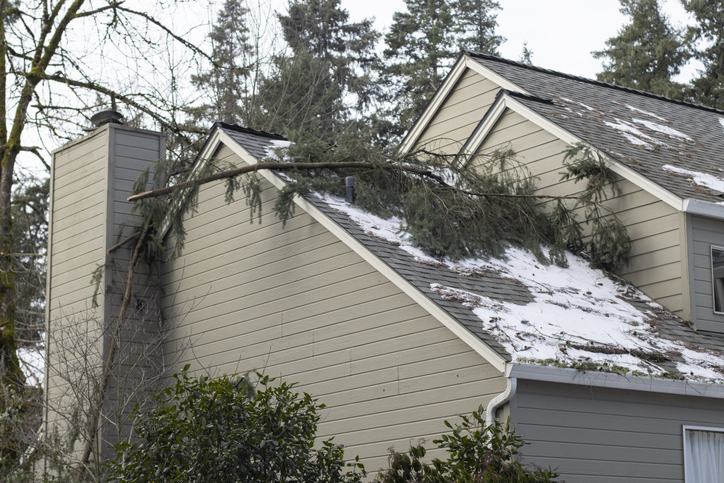
From wildfire season with smoky air to higher temperatures and unexpected blackouts during freezing temps, the reality of extreme weather conditions is causing homeowners to better prepare their homes. While every homeowner should feel safe at home, a recent survey by Certain Teed revealed that less than 48% of people feel confident in their home’s durability in the face of extreme weather.
The good news is that smart updates will bring peace of mind and add value to your home. While some projects cost more money and time than others, there are several that require less of an upfront investment. No matter your budget, here are five easy home improvement areas to consider to protect your home and feel safer during weather events.
HVAC Systems Can Protect Against Temperatures and Poor Air Quality
Because people spend 90 percent of their time indoors, the quality of your home’s indoor air is crucial to the quality of your home life. One way homeowners can prepare for extreme weather and climate events is to make sure they have a reliable and well-maintained HVAC system in place. While it can be difficult to predict when climate-related issues may happen, an HVAC system can maintain inside temperatures, withstand harsh weather outside, and provide filtration that improves indoor air quality no matter what unfolds.
Preventative maintenance on your HVAC system and changing the filter every 30 to 90 days will help prolong the life and quality of your investment. Keeping your system at or above 64 degrees Fahrenheit during the colder months also helps prevent expensive issues like frozen and burst pipes.
Choose the Right Roofing Materials For Your Climate
Roof upgrades significantly increase your home’s resilience as well as its value. “The roof is the first line of defense on a home,” says Teed Lucas Hamilton, manager of applied building science at Certain. “It is important to select the right materials for your climate,” he says. Impact-resistant roofing, solar reflective shingles to combat rising temperatures, and fire-resistant materials are all things to consider when choosing roofing materials. In areas where strong wind is a possibility, hurricane fastening and straps can also further secure your roof.
When updating the roof, take into account the gutters. Simple add-ons like leaf filters help prevent blockages so that water doesn’t back up during heavy rainfall. When flooding is a concern, gutters should direct drainage away from the home’s foundation. Too much water around the foundation can lead to serious structural issues in the future, such as cracks in the foundation. A sump pump, which runs automatically to keep water out of basements and away from the foundation, is another wise investment in areas with heavy rain and storms.
Consider Window Updates or Replacements
In areas where debris impact is an issue, shutters that can cover existing windows ahead of a storm can safeguard a home during large storms. Impact windows, which have a heavy-duty frame and glass that’s engineered to remain intact even if it breaks in a collision, are another option, but depending on the number of windows your home has, they can get expensive.
Less expensive alternatives to shutters and window replacements include sealing existing windows and applying tints.
“First, use caulk to seal up any holes and cracks on the outside. Then apply weatherstripping and use a window or door insulation kit to block the cold and heat from the inside,” Hamilton says. “These changes help strengthen the barrier between your home and the outdoors, saving on heating and cooling and keeping the elements outside.”
Applying window tinting is another example of an inexpensive update that can block up to 80% of summer solar heat while also keeping some heat inside during winter months. Updates such as these protect from weather and increase energy efficiency by creating a better barrier between your home and the outside elements.
Make Simple Exterior Updates
Steel doors, which are made of more durable materials than some more elaborate door styles, upgrade a home’s entry points by withstanding storms. When certain updates, such as replacing every window in the house, are not in your budget, replacing the home’s main entry points with stronger doors can be a good place to start.
Changing the color of your exterior paint is another affordable update that can help with temperature control. “You might think that choosing the exterior color of your home is only about picking what color you like best,” says Angie Hicks, co-founder of Angi, formerly known as Angie’s List. “The climate you live in is crucial to picking the right color.”
In hot climates, light colors will help to reflect the sun and keep the interior cool, while those who live in climates prone to extreme colds should choose darker tones to retain heat better.
Maintenance is Key to Safeguarding Your Property
With increased extreme weather events, your home could be damaged slowly over time. It becomes more important to inspect your home for changes and keep up on maintenance to prevent larger repairs and damage down the road. Checking your roof after storms, such as noting any cracks, sagging, or debris in the gutters, is an important part of keeping your roof resilient during the next event. Trees around your home should also be checked for cracks in large branches or soggy soil around the roots, as those should be addressed to prevent damage in a future storm. Gutters should also be cleared regularly to prevent blockages, as well as collect debris from the yard that could become projectiles.
Insureyouknow.org Make sure you’re aware of how your community issues weather alerts. While some use outdoor sirens, others depend on media and smartphones to alert residents of severe storms. No matter what kind of hazards your community may be prone to, the National Weather Service recommends developing a plan with your family ahead of time, such as knowing where your emergency meeting place is or where the safe room is in your home. Safe rooms are usually those without windows at the lowest level of your home. In the event that your home is compromised, Insureyouknow.org can protect all of your vulnerable paper documents by ensuring digital access, providing you with one less thing to worry about so that you may focus on the safety of yourself and your loved ones.
The Health Benefits of Even the Shortest Vacations
December 15, 2024

Just like an athlete benefits from breaks during exercise, vacations are an important part of someone’s well-being. According to a Pew Research Center survey in 2023, nearly half of the U.S. workers surveyed said they take less time off than the paid time off their employers gave them, while globally, eighty-five percent of workers reported that vacations make them feel more optimistic and that regular vacations are important for their overall health.
“Not taking time off from work to go on vacation or simply rest can lead to overwork and burnout,” says Joyce Marter, a licensed psychotherapist. “People should use all the vacation time allotted to them—and sick days should also be used.
If you’ve been feeling the need for a true rest, here’s everything you need to know about getting the most out of even the shortest vacations.
The Right Amount of Time Off
While experts agree that any amount of vacation time is beneficial, three weeks per year may be just the right amount to benefit your health. The European Society of Cardiology conducted a 40-year-long study that found people who take less than three weeks of vacation time per year have a 37% greater risk of premature death, even despite living an otherwise healthy lifestyle.
Another study in 2020 showed that people who split two weeks of annual vacation time into five short breaks had a 24% lower risk of metabolic syndrome. Even the long weekend can come with serious benefits, as those who took a four-day vacation had improved stress-levels for an entire month after returning to work.
Since the positive effects of a trip usually fade after a month of being back home, taking several short trips throughout the year can be more beneficial than one or two long vacations. Plus, the planning process can make you feel happier than the trip itself, so allowing yourself to plan and look forward to a trip more often throughout the year extends the benefits of your vacation time even more.
The Right Way to Travel
Simply going on vacation won’t necessarily result in feeling as though you have a break. “I’ve heard countless times how exhausted people are when they come back from their vacation and feel like they ‘need a vacation from their vacation,’ and that’s because many times we pack so much into a very short amount of time,” says Esther Susag, a travel blogger. “We want to see everything, do everything, and not waste a minute.”
In order to benefit from any amount of time away, it’s important that you provide yourself with the opportunity to actually rest.
Slow travel is a more meditative approach to traveling that allows people to slow down, as the name suggests, and literally stop and smell the roses. “If you want to really unplug and relax without the stresses of traveling then slow travel may be for you,” says Mark Wolters, a YoutTube travel channel host. “You get to unpack your suitcases less, take fewer planes, trains and automobiles and just relax in a destination.
Once you’re on vacation, give yourself the gift of a loose plan. Do some research ahead of time and bring a list of some things you don’t want to miss when you’re there, as well as a few restaurant possibilities. For every day that you’re there, have a half day’s worth of activities planned, giving yourself the time and space in each place to really enjoy the experience.
The Right Companion
In order to have a truly beneficial break, it becomes important to choose the people you vacation with carefully. “Spending time with family and friends are all things that we know can increase well-being and even reduce stress,” says Stephanie Preston, psychology professor at the University of Michigan. “There can be a lot of interpersonal conflict over how you manage the schedule and the priorities.”
While the idea of traveling with extended family, for instance, seems like a good idea on paper, trying to please everyone may prove to be the opposite of a relaxing getaway.
That being said, vacations can also provide the opportunity to bond with your family members and create truly lasting connections with one another. When you plan to travel slowly, your adventure becomes more about being together as a family than about visiting as many attractions as possible. Slow travel provides the space not only to notice your surroundings but also to notice the people you are seeing them with.
The Right Location
Once you decide who to travel with, opt to stay at a vacation rental rather than a hotel. Rentals are rarely at the center of the tourist attractions. This provides both a more relaxing environment to unplug in but also immerses you more deeply into the local experience. Plus, with rentals that have fully stocked kitchens, there’s less of a reason to have to leave and more of an opportunity to stay in and unwind.
The Right Format
Most people intuitively sense that taking a break is good for their health. What’s most important for people to realize is that they don’t need a vacation to have a break. “Many people don’t often have a choice in how much rest is available to them,” says Julia Kocian, a social worker and mental health counselor. “The way society is set up, we treat rest as a privilege, not a right,” she says.
Whether it’s taking a walk in the evening or meditating while you fold the laundry, only you will know what activities best help you to relax. “I view rest as intentionally slowing down or stepping away from an activity, while taking a break can be more active, like going on a walk or stretching,” says Samantha Artherholt, a psychologist and professor at UW School of Medicine. “The goal of any sort of rest or break is it should feel relaxing. You should feel refreshed and better after the break than you did before.”
Work yourself up towards taking more vacation time by finding ways to distribute downtime throughout your day and week. “The biggest thing is giving yourself permission to do it,” Artherholt says. When you learn more about what feels like rest to you, then you can start planning a handful of short vacations for yourself throughout the year. With Insureyouknow.org, you may store your destination research, savings goals, and travel plans all in one place. Remember that planning for your next vacation may be over half of the fun.
Returning to College: A Simple Guide for Adults
December 1, 2024

Going back to college as an adult can be intimidating, but most people don’t realize that almost forty percent of all college students are adult learners over the age of 25. In addition to adult learners, more than 20% of undergraduate students are parents. Reasons for returning to school differ, such as wanting to enter a new field, ensure job security, or to set an example for their children and loved ones. Some may just want to finish what they started, as 36 million Americans have left college without completing their programs.
There are several perks to going back to school as an adult. The older you get, the more likely you are to know what degree to pursue, what workload you’ll be taking on, and what kind of pay to expect after graduation. These factors actually make it more likely that an adult learner will graduate with a degree that leads them to a better work situation, whether that’s a larger paycheck or a better work-life balance.
If you’ve been thinking about returning to school as an adult, here’s everything you should know before choosing the path that’s right for you.
Choosing the Right School for Your Needs
Different schools and degrees will come with different time and financial costs. It’s worth comparing your options, such as opting for a lower-cost school like a community college or looking into online schools if you’ll need to continue managing a busy schedule. Some schools are open admission, meaning all applicants are accepted, such as with community colleges, while others are more selective. If you want to apply to selective schools, then start the process several months to a year before you want to start classes.
Many schools offer flexible course schedules, including accelerated, self-paced, or part-time degree tracks. Online classes allow students to fit in their studies around their existing schedules. Remote and online learning options are no longer considered a lesser higher education experience and can often allow people juggling work and other adult responsibilities to achieve their school and career goals in a way that in-person classes would never allow them.
Be realistic about the time your classes and coursework will take you to complete. Many students underestimate the time it takes to complete a program. Reach out to the admissions office and ask how the school can help fit in classes around your busy schedule. “Many colleges will allow you to consider full- or part-time enrollment,” says Elaine Rubin, an Edvisors communications specialist. “If you aren’t attending school full-time, it will take you longer to complete your program or degree, but it may make it manageable. It’s best to talk about this with an admission counselor.
Noncredit education or certificate programs are becoming more popular, particularly in fields like project and program management and content development. While some of these programs require a degree to enroll, others are designed for people looking to switch fields or feel more qualified in a certain skill set, like fund-raising or human resources management. If this is a path you’re considering, take note of whether the institution is accredited, which means they would be taught by faculty and would be more useful if you do end up choosing to pursue a degree later on.
Paying for College Might be More Affordable Than You Thought
Paying for college as an adult isn’t much different than if you were going to college at 18. There are thousands of scholarships specifically meant for adult learners. In addition to scholarships, there are grants. Grants involve funds meant to pay for college that are usually given by the government and that you don’t need to pay back. Don’t make the mistake of assuming that you won’t qualify for college grants without applying first. Start by filling out the FAFSA online and contacting your potential school’s financial aid office.
Some of the most awarded grants include the Federal Pell Grant, which has a maximum payout of $7,395 for the 2024-2025 school year. The amount you’re awarded is determined by your financial need, the cost of your tuition, and whether you’ll be a part-time or full-time student. Other opportunities include a TEACH Grant, which is for students who want to become teachers but must agree to work in high-need areas for a certain amount of time after graduation, and state-based grants.
A 529 plan is a savings account specifically meant for college savings, and many adults don’t realize that they can open one for themselves. One of the biggest reasons to open a 529 is because your earnings won’t be subject to federal income taxes. In addition, 34 states offer additional tax breaks on these account earnings. If you have family members who want to help you go back to school, they can add up to $14,000 per year to your account as a gift to you without being taxed on their contribution.
Many colleges have started allowing adult learners to turn their work experience into college credits, saving them both money and time. Many employers also offer tuition reimbursement as part of their benefits packages now, so looking into your employee benefits may be the first step in determining ways to pay for college. Education-focused workplaces, especially those in tech and healthcare, will sometimes even allow you time off work to focus on your educational pursuits.
Last but not least is the option of taking out student loans. If you use debt in a smart way and only take out what you need to cover the cost of your schooling, a student loan is not a bad idea. Plus, adult learners with money management experience are less likely to abuse student loans. If you know you’ll be graduating and obtaining a career with a better paycheck, you can devise a timeline for paying off your debt as soon as possible after graduation.
Set Yourself Up for Success Before You Begin
Gathering your education records will be a good place to start when you’re narrowing down your different options. Not only will the schools you apply to require that you submit your transcripts, but you may also check to see if you have already met some of your degree requirements or prerequisites. If you have other technical schooling or certificates, then gather those as well.
“Most program policies on transfer credit typically have a maximum limit of 10 years,” says Dr. Bri Newland, assistant dean of the New York University School of Professional Studies Division of Applied Undergraduate Studies. “However, it is crucial to schedule a meeting with an experienced academic advisor who will thoroughly assess your transcripts alongside you, regardless of whether you acquired these credits beyond the specified timeframe.”
When going back to college as an adult with other responsibilities like an existing career or family, staying organized will be essential to your survival. Once you get started with classes, keep track of deadlines and due dates, giving yourself plenty of time to study and complete coursework. Determine where and when you’ll get your work completed, such as a designated space at home or a campus library, and which days and times you’ll use to get your classwork completed. Developing a routine that you can stick to will ensure your success, even when unexpected obstacles arise.
Once you do some research, you’ll likely discover that going back to school and attaining the degree you desire is more feasible than you may have thought. With Insureyouknow.org, you may keep track of your transcripts and certificates, college applications, financial costs and payment methods, and eventually, your new degree.
Volunteering for Seniors: Benefits & Opportunities
November 15, 2024
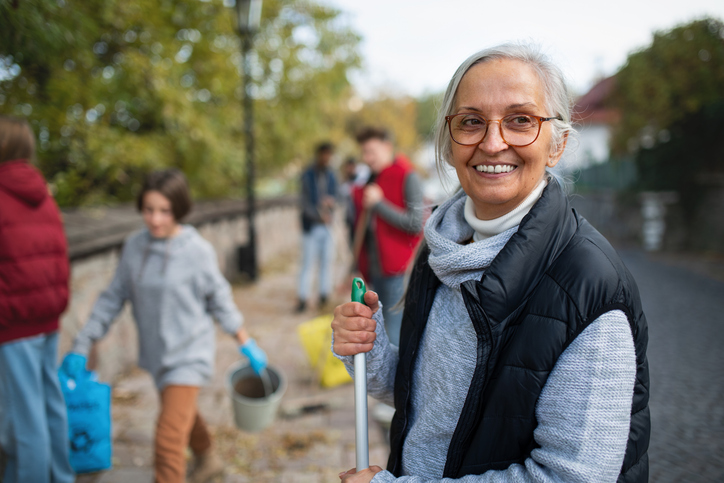
There are good reasons why more than one in five older adults volunteer. A study in the Australian Journal of Psychology found that the more people volunteer, the more their overall life satisfaction increases.
If you find yourself with the urge to help or give back to your community somehow, here’s everything you need to know about volunteering later in life.
Volunteering can improve your physical, mental, and spiritual well-being. The American Journal of Preventive Medicine found that if someone volunteered for at least 100 hours per year, or less than two hours a week, for at least four years, they experienced a reduced risk of mortality, less physical functioning limitations, higher amounts of physical activity, and positive psychosocial outcomes, such as a stronger sense of life purpose. “Volunteering is an affirmation that your time hasn’t ended. It’s also a way to affirm that careers are ongoing,” says Marcia Wall, a career coach. “Continue your career through volunteering, and you’ll continue to have that sense of professional identity that can continue even without getting a paid job,” she says.
Furthermore, volunteerism can prevent social isolation and loneliness, major risk factors for mortality among the aging population. In addition to having the opportunity to utilize the skills you already have, volunteering can provide the acquisition of new skills and knowledge, too. “It’s good for the mind, and for socialization; it’s the idea that we’re all lifelong learners,” says Wall. “There is value in learning for learning’s sake. The idea that our brains and our spirits are still active and you can’t be curious without having a spirit. It’s an affirmation that your time hasn’t ended,” she says.
What to Consider Before Getting Started
Before choosing a volunteer opportunity, think about your “why” and what kind of work you want to do. Read about an organization’s mission and the ways they go about achieving that. Does the work they carry out align with your values? Volunteering is a way to engage with your interests, so make sure that you look for an organization that makes you feel excited and even motivates you.
Then, check the reviews. Pay attention to positive and negative feedback and how the organization responds. Beware of any place that uses phrases like “work tirelessly” or seems understaffed or over-extended. “First and foremost, volunteers should not be considered ‘free labor,’” says Wall. “Volunteers are skilled and valuable contributors who are choosing to donate their time in exchange for a personal reward of some kind,” she says. Ultimately, it’s important for you to feel in control of the work you decide to do. Remember that it doesn’t have to be long-term; you can always pursue other avenues. Volunteering should never feel like a chore.
Six Options for Older Adults Looking to Volunteer
There are volunteer opportunities out there for everyone. Here are several ideas to get you started on your search.
- Local or National Charities
Always look at what’s in your backyard first. Habitat for Humanity, for instance, exists nationwide and helps families in your community establish stability and self-reliance by providing them with homes. Food banks always need assistance with daily tasks such as food delivery and donation gathering. Feeding America lists food banks in your area where you can begin. Charity thrift stores are another great way to help with a cause you care about. The items sold there benefit those who buy them, and the proceeds go toward the organization’s efforts.
2. Local, State and National Parks
The National Park Service is often eager to have new volunteers. Opportunities include helping with one-time special events or long-term commitments that involve tasks such as invasive plant removal or serving as a tour guide and educator.
If pets are your passion, working with your local animal shelter may be the right fit for you. While large, well-known organizations like the SPCA and The Humane Society of the United States are great places to work with, smaller local rescues need help, too. Volunteering with a rescue center may involve caring for and playing with animals, providing potential the public with information, cleaning, and helping at fundraising events.
4. Fostering Younger Generations in a Multitude of Ways
Did you know you could become a foster grandparent for a child living in your community? Fostering a child usually consists of tutoring, mentoring, and caregiving. If that kind of opportunity sounds rewarding, check with your local churches and Americorps for children in need of a foster.
Your local schools are another venue to check with for volunteering to help teachers, tutor children, or chaperone field trips. Eldera is another program that connects those over age 60 to help students with homework, while Big & Mini connects people with common interests intergenerationally. Yet another group is Career Village, which brings former professionals to students interested in those careers. If sports are of interest to you, then coaching a youth team is yet another way to give back to children in your backyard.
5. Providing Companionship to Older Adults
There are several ways to help people your own age, such as volunteering with your local Hospice agency. Hospice opportunities include being a companion to patients at the end of their lives, helping with clerical duties, or making things like fidget mats and quilts for patients. “You’re one on one with a patient or them and their family,” says Erin Long, a hospice volunteer services manager. “It’s individual volunteering and independent volunteering. We look for someone who is comfortable in independent situations.”
There are other ways to assist older adults, including being a companion to someone still living independently at home but needing a little support. Seniors Helping Seniors is just one organization that connects seniors to volunteers in their area. Hosting a meet-up for seniors in your area is another way to connect with people your age, build community among older adults, and even prevent loneliness. Starts at 60 Meet Ups helps volunteers host casual gatherings at coffee shops.
- Community Gardens
If you have a green thumb, gardening might be the right cause. Community gardens can contribute healthy foods to their community, beautify your hometown, and provide you with some health benefits. Working in the garden improves both physical and mental well-being. If your neighborhood needs a garden, then AARP can help you get one going.
Senior Corps links seniors with thousands of opportunities. And don’t forget about checking with family and friends, who may know where the local needs are. With Insureyouknow.org, you can keep all of your volunteering research in one place, as well as schedules and logs of the benefits you notice and your impact. Just remember that every act of kindness can create a lasting impact, no matter how small or large. If you’re interested in volunteering, there’s no better time than now to start your search.