
Author: Gerry Acuna
A Day of Service: Honoring Martin Luther King, Jr. With Civil Action
January 15, 2026
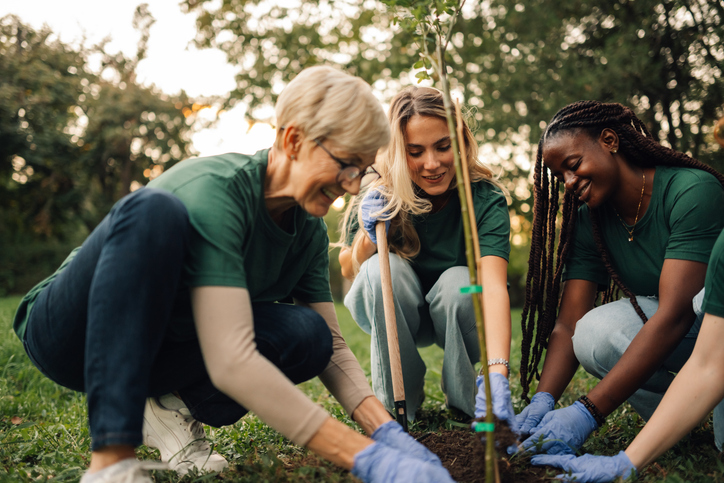
Martin Luther King, Jr. Day or MLK Day, is celebrated on the third Monday of January to honor him and his legacy. But the federal holiday is also meant to be a day of service, where volunteers get out and work in their communities. By making a positive difference in their own neighborhoods, volunteers honor King’s dream of systemic change through community action.
The History of MLK Day
To honor MLK’s legacy, the federal government shuts down on the third Monday of every January. This year, that day is January 19, 2026. It is meant to fall around King’s birthday, which was January 15, 1929. According to Coretta Scott King, the late wife of MLK: “The greatest birthday gift my husband could receive is if people of all racial and ethnic backgrounds celebrated the holiday by performing individual acts of kindness through service to others,”
The campaign for King’s holiday began just four days after he was assassinated, but legislation to honor him took years. In November of 1983, Ronald Reagan signed a bill making the third Monday in January a federal holiday in observance of King’s influence on Civil Rights. The holiday was first observed in 1986, nearly 20 years after MLK’s passing.
According to the Smithsonian National Museum of African American History & Culture, every American is encouraged to volunteer on this day.
MLK’s Influence on Civil Rights
Martin Luther King Jr. was a Baptist minister and civil rights leader who championed equality through nonviolent protest. He rose to national prominence during the 1955–56 Montgomery Bus Boycott, which led to a Supreme Court ruling ending segregated bus seating and demonstrated the power of peaceful resistance. Despite surviving an assassination attempt in 1958, King continued organizing and speaking worldwide.
In 1963, he helped lead the March on Washington, where he delivered his “I Have a Dream” speech, a defining moment that helped advance the passage of the Civil Rights Act of 1964. His leadership in the 1965 Selma-to-Montgomery marches contributed to the Voting Rights Act. In 1968, while supporting sanitation workers in Memphis, Tennessee, King was assassinated, prompting national mourning.
Giving Back
Martin Luther King, Jr. Day is the only federal holiday that is designated as a national day of service. All Americans are encouraged to get out into their communities and do what they can to help their neighbors. On this day, most national parks host a variety of service projects that people can sign up for. To find an event in your area, visit the National Park Service for more information on volunteering. Here are four other meaningful ways to give back on MLK Day of Service, rooted in Dr. King’s call to action:
- Volunteer locally, in person. Spend a few hours with a food pantry, shelter, or community center. Many organizations host MLK Day service events, but you can also show up to help year-round.
- Support an organization doing long-term work. Donate funds, supplies, or professional skills to nonprofits focused on education, housing stability, civil rights, or health equity. One-time gifts matter, but ongoing support matters more.
- Serve through your skills. Offer what you know. Help a nonprofit with writing, design, tutoring, tax prep, technology setup, or translation. Skilled volunteering can remove real barriers for small organizations.
- Commit to civic participation. Register to vote, help someone else register, attend a local council or school board meeting, or learn about a policy issue affecting your community. Service also means staying engaged beyond a single day.
Finding ways to give back doesn’t have to be a once-a-year event. “The time is always right to do what is right,” said MLK. At the beginning of 2026, let MLK’s legacy inspire you to do the right thing all year long. With Insureyouknow.org, you can keep track of your civic projects, volunteer hours, and donations made to the causes of your choosing.
Sandwich Generation Guide: Organize Parents’ & Kids’ Records
January 8, 2026

The Squeeze is Real
The term “Sandwich Generation” sounds polite, almost clinical. But for the millions of adults living it, the reality feels a lot more like a pressure cooker. They are squeezed tight. On one side, there are children needing help with homework, permission slips, and growing pains. On the other, aging parents need support with doctors, medications, and a lifetime of accumulated paperwork.
It is exhausting.
The hardest part usually isn’t the physical caregiving. It is the administration. It is being the unpaid, overworked secretary for two different households. One minute, a parent is hunting for a vaccination card for summer camp; the next, they are frantically searching for Mom’s Medicare supplement number because a receptionist is waiting on the line.
When these worlds collide, chaos wins. Unless, of course, there is a system in place.
Two Households, One Overloaded Brain
The main problem isn’t a lack of effort. It is a lack of centralization. The “Sandwich” caregiver is trying to run two different operating systems at once.
Consider the children. Their documentation is constant and urgent:
- Social Security cards (usually lost in a drawer somewhere).
- Immunization records that schools demand every September.
- Birth certificates for sports or travel.
Then look at the parents. Their paper trail is decades long and much heavier:
- Wills, Trusts, and Deeds (often hidden in “safe” places that no one can find).
- Complex lists of daily medications.
- Insurance policies that need to be renewed.
- The dreaded “In Case of Emergency” contacts.
Keeping the kids’ files in a backpack and the parents’ files in a dusty filing cabinet across town simply doesn’t work. Not in 2026. When an emergency happens, and they always happen at inconvenient times, nobody wants to be driving across town to find a piece of paper.
The “Kitchen Table” Talk
Getting organized starts with a conversation, not a scanner. This is the tricky part. Many adults feel awkward asking their parents about wills or bank accounts. It feels intrusive.
But the conversation doesn’t have to be about control. It should be about safety. The approach matters. Framing it as, “We need to make sure the doctors know what you need if you can’t tell them,” works a lot better than, “Give me your passwords.”
The goal is strictly practical: preventing a crisis from becoming a disaster.
Cut the Clutter: What Actually Matters?
A common mistake is trying to save everything. But honestly, nobody needs to digitize a utility bill from 1998. To survive the squeeze, caregivers need to be ruthless about what they keep.
The “Must-Have” list is actually quite short:
- The Legal Shield: Power of Attorney. This is non-negotiable. Without it, an adult child is legally a stranger to their parent’s bank or doctor.
- The Medical Snapshot: A simple, updated list of what pills they take and who their primary doctor is.
- The Money Trail: Just a list of where the accounts are. Not necessarily the balances, but the locations of the banks and insurance policies.
Stop Relying on Physical Folders
Paper is fragile. It burns, it tears, and most importantly, it stays in one place.
If a parent falls ill while the caregiver is on vacation, that physical folder in the hallway closet is useless. This is why moving to a digital system is the only logical step for a modern family.
Using a secure, encrypted platform, like InsureYouKnow.org, solves the geography problem. It puts the information in the cloud, protected by encryption that is tougher than any lock on a filing cabinet. It means the right information is available on a smartphone, right in the hospital lobby, exactly when it is needed.
Don’t Go It Alone
There is a hero complex in the Sandwich Generation. Everyone tries to carry the load solo. But that is a recipe for burnout.
Once the records are digital, they should be shared. A spouse, a reliable sibling, or a family attorney needs access, too. Modern digital vaults allow for this kind of “trusted partner” access. It ensures that if the primary caregiver gets the flu or gets stuck in a meeting, someone else can step in and handle the situation.
Finding Some Peace
At the end of the day, organizing these records isn’t really about paperwork. It is about buying back time.
Every minute saved by not hunting for a lost insurance card is a minute that can be spent actually being a parent or a son or daughter. The paperwork will always be there, but the stress doesn’t have to be. By merging these two chaotic worlds into one secure place, the Sandwich Generation can finally take a breath.
5 Scams Targeting Seniors in 2026 (And How to Lock Down Your Data)
January 1, 2026

Can you believe it is 2026? We have apps for everything and phones that are smarter than the computers we grew up with. But there is a flip side. All this tech has handed crooks a brand new playbook. And let’s be honest, they love targeting seniors.
The scams floating around right now aren’t the sloppy emails we used to laugh at. These new ones are sharp. They use fancy tech and psychological tricks to bypass your gut instincts. But don’t worry. You don’t need to be a tech wizard to stay safe; you just need to know what the red flags look like.
Here is what is happening out there and how to keep your private life private.
1. The “Grandchild” Voice Clone (It’s Not Them)
You might remember the old version of this trick. Someone calls pretending to be a grandson in trouble. Usually, you could tell it wasn’t him because the voice was off.
Well, the game has changed.
Scammers are now grabbing snippets of audio from social media videos. If your grandchild posted a video on TikTok or Instagram, that is all they need. They use AI to clone the voice. When the phone rings, it sounds exactly like them. Same laugh, same tone. They will say they are in jail or stuck in Mexico and need money fast.
What to do:
- The Password Rule: Agree on a secret family password. If “Bobby” calls saying he is in trouble, ask for the password. If he can’t give it, hang up.
- Don’t Panic: Hang up and call their real cell phone number. Verify it yourself.
2. The “Computer Meltdown” Pop up
You are just reading the news or looking for a recipe, and suddenly BAM. A siren starts wailing from your speakers. A box pops up on the screen saying your computer is infected and you have to call “Microsoft” immediately.
It is terrifying, right? That is the point.
But here is the truth. It is all smoke and mirrors. Your computer is fine. The person on that phone line isn’t tech support; they are a thief waiting for you to open the front door. If you let them “remote in,” they will swipe your passwords or charge you for fixing a problem that didn’t exist.
What to do:
- Ignore the Number: Real companies like Apple or Microsoft will never put a phone number on a warning pop up. Never.
- The Hard Reset: If your mouse freezes, just hold the power button down until the screen goes black. Turn it back on, and the “virus” will be gone.
3. The Medicare “Chip Card” Trap
Medicare rules are a maze, and scammers know it. The latest trick? A friendly phone call telling you that you are due for a “refund” or a new “chip card.”
It sounds great, doesn’t it? But then comes the catch. To get the goods, they say they just need to “verify” your Social Security Number or your current Medicare ID.
What to do:
- Guard It: Treat your Medicare number like the combination to a safe.
- Check Your Vault: Don’t take a stranger’s word for it. If you keep your insurance details stored in a secure spot, like the InsureYouKnow.org portal, you can just log in and check your official policy. Call the number on your documents, not the one the stranger gave you.
4. The “Pig Butchering” Long Game
This one is nasty because it pulls on heartstrings. It usually starts with a “wrong number” text or a random message on Facebook. The person is nice. You start chatting. Over weeks, maybe even months, you become friends.
Then, they mention money. They are making a killing in crypto or gold, and they want to help you do the same. You might even put a little money in and see it grow on a website they send you. But the moment you invest a serious amount? The website vanishes, and so does your “friend.”
What to do:
- Keep Wallets Closed: Never take financial advice from someone you have only met through a screen.
- Do Your Homework: If they send a photo, run it through a Google Image search. You will probably find that picture belongs to a model or someone else entirely.
5. The Fake Government Threat
Fear is a powerful tool. Scammers love to pretend they are the IRS or the Social Security Administration. You will get a text or voicemail saying your account is “suspended” or you owe back taxes.
They will threaten arrest if you don’t pay right now. And weirdly, they often want payment in gift cards.
What to do:
- Gift Cards equal Scam: The government will never ask you to pay a fine with an Amazon gift card. That just doesn’t happen.
- Slow Down: They want you to panic so you stop thinking. Take a breath. It is almost certainly fake.
The Secret Weapon? Getting Organized.
Why do these scams work? Because they rely on chaos. They hope you don’t know where your real policy is. They hope you can’t find the right phone number to check if the story is true.
If you have your house in order, they can’t touch you.
When you have your vital info, like IDs, policies, and bank contacts, locked in a secure, encrypted hub, you have the power. If someone calls about your life insurance, you don’t have to guess. You log in, look at the real document, and you see the truth.
Stay Safe Out There:
- Verify, Verify, Verify: Don’t trust Caller ID.
- Lock It Up: Use a secure service to store your life’s paperwork.
- Buddy System: Share access to that digital vault with a family member you trust. It helps to have backup.
You don’t have to be paranoid to be safe in 2026. You just have to be organized.
Rethinking Health Resolutions for the New Year
December 31, 2025

Every January, people pledge to “eat healthier” or “exercise more,” only to see those ambitions fade by February. Traditional resolutions often focus on a narrow slice of health, like weight loss or gym check-ins, without addressing broader habits that shape long-term well-being. Instead, physicians now emphasize developing habits that improve sleep, stress management, social connection, preventive care, and daily behavior. According to the American Medical Association, health choices that fit into everyday life and provide immediate benefits are more likely to stick.
The eight unusual resolutions below reflect a broader, evidence-based view of health for 2026.
1. Cultivate a Brain Fast Before Bed
Instead of saying “get more sleep,” focus on stabilizing your sleep schedule and wind-down habits. Sleep experts recommend consistent bedtime and wake-up times. “Setting a consistent bedtime and wake time is one of the most effective changes you can make for your sleep,” says Dr. Abhinav Singh, Medical Director at the Indiana Sleep Center.
Better sleep supports cognitive function, emotional stability, and immune health, making this a resolution linked to measurable health outcomes.
2. Build a Sensory Stress-Management Plan
Stress affects both mind and body. A sensory plan that includes calming auditory or visual cues, time in natural light, and brief outdoor breaks can soften the day’s pressures. “Self-care in the form of recognizing your limits and building in even just a few minutes of time each day to recenter yourself is important,” says Dr. Joanna Bisgrove, Family Physician, Rush University Medical Center.
Acute stress relief boosts mood and productivity while protecting long-term cardiovascular health.
3. Adjust Your Environment to Make Healthy Choices Easier
Habits are easier to maintain when your environment nudges you toward them. Placing water bottles where you see them, creating a designated space for stretching, or minimizing clutter in high-stress areas all make healthy choices more automatic. Behavioral science suggests that environmental design is a powerful driver of long-term habit change, especially when willpower alone would be unreliable.
4. Prioritize Social Connection with Intent
Social connection is a proven determinant of health. People with supportive relationships experience lower stress levels and better immune responses, and strong social ties are linked to higher life satisfaction. “Self-care includes connecting with others, particularly in person if it is safe, but over the phone or internet if not,” says Dr. Bisgrove.
Make a point to plan consistent, meaningful check-ins with friends, family, or colleagues.
5. Make Mindful Eating a Daily Practice
Unlike diet rules that focus on restriction, mindful eating asks you to pay attention to hunger cues, flavor, and satisfaction. This approach reduces emotional eating and builds a healthier relationship with food without guilt.
Mindful eating supports better digestion and sustained satisfaction from meals, leading to more stable energy and fewer cravings.
6. Link Movement to Everyday Routines
A resolution to run, bike, or lift weights is excellent if you can stick to it, but many people struggle to make it part of daily life. A more approachable alternative is to link short bursts of movement to existing routines. For example, taking a walk after a meal, doing calf raises while brushing your teeth, or standing while on phone calls add meaningful activity to your day without extra planning.
7. Focus on One Low-Tech Health Habit Per Month
Rather than pursue three or five goals at once, focus on just one foundational habit per month. January might be daily hydration, February could emphasize sleep consistency, and March could focus on organizing health appointments or screenings. The American Medical Association recommends incremental goals that are specific, manageable, and tied to your daily schedule for lasting change.
8. Shape Goals Around Seasonal Needs
Health needs change with the calendar. Winter might focus on immune support and rest, while spring encourages outdoor activity and stress renewal. Aligning habits with seasonal rhythms makes resolutions feel less forced and more adaptive. Seasonal awareness helps the body and mind adjust to natural changes in daylight, temperature, and lifestyle.
Most New Year’s resolutions lose momentum because they are too broad, hard to measure, or feel disconnected from daily life. Experts advocate for specific, actionable habits that provide near-term benefits and fit into routines. Unusual resolutions invite curiosity instead of pressure. They encourage adjustment rather than perfection. This year, instead of aiming for a dramatic transformation, consider choosing habits that quietly support your health every day. Those are the changes most likely to last.
Divorce & Data: How to Split Your Digital Life Safely
December 26, 2025
The Digital Aftermath
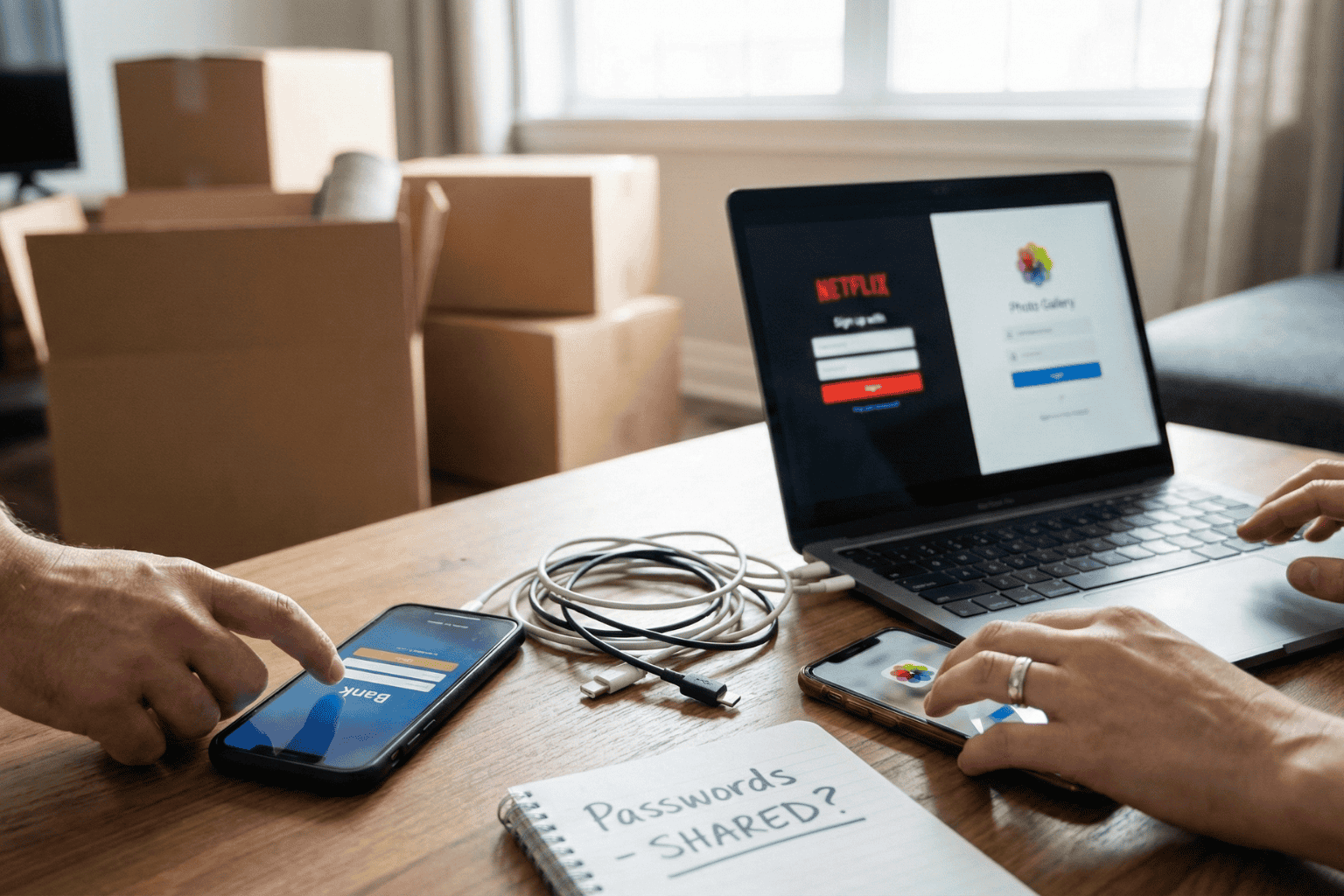
Breaking up used to mean splitting the vinyl collection and deciding who keeps the couch. Simple. Tangible. But today? The most complicated part of a separation isn’t sitting in the living room; it’s floating in the cloud.
We live online. A marriage in 2025 is basically a massive web of shared Netflix logins, joint bank apps, Amazon purchase histories, and thousands of photos on a server somewhere. This is the “Digital Split,” and honestly, it is messy. If people ignore it, they risk more than just awkwardness. They risk security leaks, drained accounts, and losing memories that actually matter.
Untangling this web takes a bit of grit, but it has to be done. Here is the playbook for separating a digital life without everything crashing down.
1. The Audit (Or: Seeing the Mess)
Before changing a single password, stop. Take a breath. You can’t fix what you can’t see. Most couples are far more digitally enmeshed than they realize. The first move is a simple audit.
Sit down and write it out. All of it.
- The Money: It’s not just the big bank account. Think Venmo, PayPal, crypto wallets, and those “buy now, pay later” apps.
- The Boring Stuff: Who pays the electric bill? Whose email is on the mortgage portal?
- The Fun Stuff: Spotify duos, Netflix profiles, gaming accounts.
- The Doorstep: Uber, Lyft, DoorDash.
Imagine the chaos if one person kills a shared credit card on Amazon without saying a word. Subscriptions bounce. Deliveries get canceled. It’s a headache nobody needs right now. Awareness is the best defense.
2. Locking the Virtual Doors
Once the list is ready, it’s time to secure the perimeter. Financial data is vulnerable, and emotions can make people do rash things.
For personal accounts like email, private checking, and social media, the passwords need to change. Today. And please, no more using the dog’s name or that old anniversary date. Pick something random.
This is also the moment to turn on Two-Factor Authentication (2FA) everywhere. It’s annoying, sure, but it’s a lifesaver. Even if an ex-partner guesses the new password, they can’t get in without the code sent to the phone. Also, dig into credit card apps and check for “authorized users.” If that isn’t cleared up, one person could be stuck paying for the other’s post-breakup therapy shopping.
3. The Photo Dilemma: Keep, Don’t Delete
This hurts the most. Who gets the pictures? The wedding video? The baby photos? Unlike a physical album, nobody has to lose out here.
The rule is strict: Duplicate, don’t delete.
Legally, wiping a hard drive or deleting a cloud account can be seen as destroying assets. It’s a bad look in court. Instead, buy a big external hard drive. Download everything, every shared memory, and hand the drive over. Or, use Google Photos to make a massive shared album, let them download it all, and then cut the link. Everyone walks away with their memories intact. No data lost.
4. Cutting the Invisible Ties
Then there are the things running in the background. The invisible tethers.
Check location sharing. Apps like “Find My” or Google Maps are great for knowing when a spouse is home for dinner, but after a split? It’s just surveillance. Unless there’s a solid reason to keep it on, like co-parenting coordination, shut it down.
The smart home is another trap. If one partner moves out, they shouldn’t still have the code to the front door or access to the Nest cameras. Watching an ex-partner come and go via a phone screen isn’t healthy for anyone.
5. The “Legacy” Check
It’s dark, but it matters. Check the beneficiaries.
Life insurance, 401(k)s, and investment apps all have that little “Transfer on Death” field. People fill it out once and forget it exists. If it isn’t updated, an ex-spouse could technically inherit money meant for kids or a new family ten years from now. It takes five minutes to fix, but it saves a lifetime of legal trouble later.
Final Thoughts
Separating a life is heavy work. But in this era, the digital separation is just as heavy as the physical one. It’s about privacy, security, and eventually, peace of mind. By locking down the data and safely copying the memories, the path forward gets a little bit clearer.
Pull the last three months of bank statements. That’s usually where the hidden subscriptions are hiding. Good luck.
Why Emailing Files to Yourself Is Not a Secure Strategy
December 17, 2025
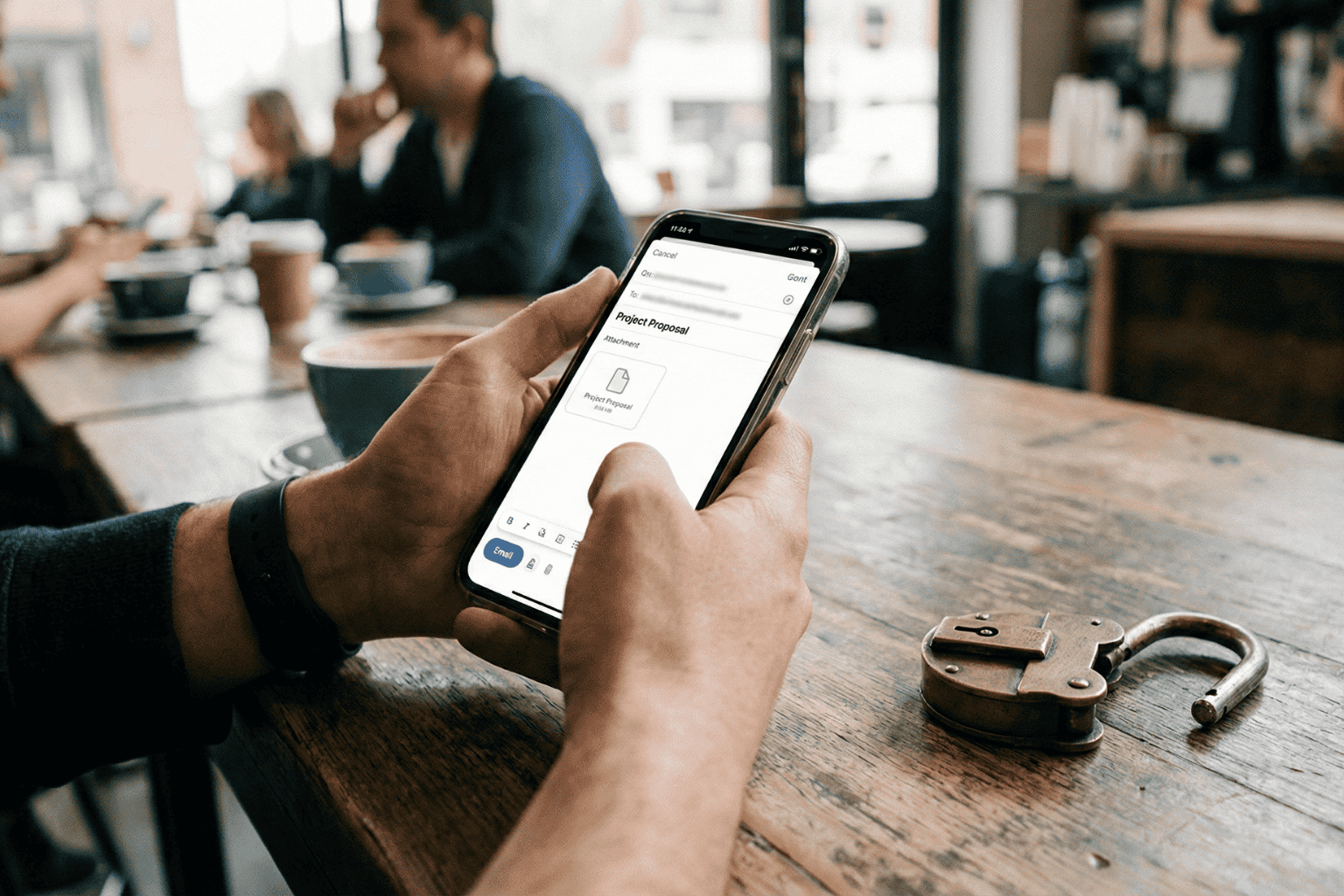
It happens. A tax return needs saving. A passport needs copying. Time is short. The solution seems obvious: attach the file, type in the email address, and hit send.
Done. Safe. Accessible from anywhere.
Or so it seems.
That “Sent” folder feels like a private archive. In reality, it is a ticking time bomb. Cybersecurity pros don’t view email as a vault. They view it as a sieve. It leaks. And when it comes to the blueprints of a person’s life, wills, deeds, insurance policies, using email for storage isn’t just a bad habit. It is a security nightmare.
The Glass Envelope
Here is the thing about email. It feels private. It requires a password to log in, after all. But once a message leaves the draft folder, it travels across the open web. It hops from server to server.
Think of it less like a sealed letter and more like a postcard. The postman can read it. The sorting clerk can read it. Anyone who intercepts the mail truck can read it.
While big tech companies lock the front door, the data inside often sits in plain text. If a hacker guesses a password, or if the email provider has a breach, those attachments aren’t encrypted. They are just sitting there. Open. Readable. Ready to be stolen.
The Trap of “Searchability”
The best feature of email is also its biggest flaw. It is searchable.
Type “tax” into the search bar, and boom: five years of returns appear. Convenient for the user? Absolutely. But it is even more convenient for a thief.
When cybercriminals crack an account, they don’t scroll through boring updates from Netflix or Amazon. They run bots. These automated scripts hunt for gold. They scan for keywords like “SSN,” “Scan,” “Medical,” or “Deed.”
In three seconds flat, a hacker can scrape a decade of sensitive life data. That PDF of a driver’s license sent in 2019? The user forgot it. The hacker found it. And now, identity theft is just a few clicks away.
The “Whoops” Factor
Then there is the human element. We are clumsy.
Predictive text is great until it isn’t. A user starts typing “Sarah” to send a financial statement to a spouse. The computer autofills “Sarah” the realtor from four years ago. The “Send” button is hit before the brain catches up.
Too late.
There is no taking it back. A total stranger now holds the keys to a private financial life. It happens constantly. It is messy. And it is completely preventable.
The Fix: A Real Vault
If the inbox is a postcard, a Secure Digital Vault is a steel fortress.
This is why platforms like InsureYouKnow.org exist. They don’t just “store” files. They lock them down.
The difference lies in the math. Real security uses AES-256 encryption. Imagine taking a document and putting it through a shredder that turns it into millions of mathematical shards. The only person with the glue to put it back together is the account owner. Even if a thief stole the server, they would get nothing but digital noise.
Plus, a vault brings order to chaos.
When a crisis hits, a fire, a sudden hospital trip, nobody wants to dig through a mountain of spam to find an insurance policy. A vault keeps things sorted. Medical. Legal. Financial. Everything in its right place.
The Bottom Line
Convenience is a trap. Saving ten seconds by emailing a file is not worth the misery of untangling a stolen identity.
Vital documents don’t belong in the “Sent” folder. They belong behind a lock. So, go ahead. Search the inbox for “scan.” Delete the results. And put those files somewhere they actually belong.
Cooking Tips for a Safe Holiday With Loved Ones
December 15, 2025

The holidays can get hectic, and with all of the comings and goings, kitchen accidents can happen quickly. According to the National Fire Protection Association (NFPA), Thanksgiving, Christmas Day, and Christmas Eve rank first, second, and third, respectively, for the most home cooking fires. On Thanksgiving Day alone, an estimated 1,446 home cooking fires were reported to U.S. fire departments in 2023.
“Every year, we see preventable fires and injuries caused by cooking accidents during the holidays,” says Peter Feldman, chairman of the Consumer Product Safety Commission. “We’re urging everyone to stay focused when in the kitchen because a few minutes of attention can make the difference between a happy holiday and a heartbreaking one.”
Prevent Holiday Kitchen Fires
Unattended cooking is the leading cause of cooking fires and fire deaths. Take these measures to prevent a cooking fire over the holidays:
- Always stay in the kitchen when you are cooking so that you can keep an eye on the food and never leave the house with food in the oven or on the stove.
- Keep flammable items like dish towels and oven mitts away from the stovetop and avoid wearing loose clothing when cooking.
- Keep young children and pets out of the kitchen. This will protect them from hot stoves and hot foods and liquids that could cause serious burns.
- Make sure the kitchen floors are cleared, and check the smoke alarms before the day of cooking.
If you have a small kitchen fire, do not pour water on it. Instead, smother the fire by placing a lid on the pan and turning it off. The stove top. Baking soda may also be used to put out small grease fires. If there is a fire in the oven, turn off the heat and keep the oven door closed. If the fire is large and there is extensive smoke, the home may be at risk. Call 911 once you are safe.
Reduce Cooking Day Stress
The first part of a stress-free holiday is to plan ahead. “Planning slows everything down so you can enjoy it,” says Emily Brubaker, a professional chef. “I have a prep list of each recipe broken down: ‘What can I do early?’ and ‘What do I need to do on the day of the meal?’”
Specific meal components, like side dishes, that can be made a couple of days ahead of time should be cooked and stored in the fridge so less needs to be done the day of the big meal. Deep clean your kitchen in advance to prevent contamination and clutter. “I start with spring-cleaning my pantry, my oven, my refrigerator, and my freezer,” says Brubaker. “I like to make sure I’m organized and ready to go.’
Thaw Turkey Safely
Many people don’t realize that large pieces of meat can take days to thaw in the fridge. Don’t make the mistake of waiting until the last minute to thaw something like a large turkey. A turkey must thaw at a safe temperature to prevent germs from growing quickly. “The number of days a frozen turkey takes to thaw in a refrigerator depends on the size,” says Troy Huffman, a retail food program manager at Colorado Department of Health and Environment. “A turkey 4-12 pounds takes one to three days to thaw, 12-16 pounds takes three to four days, 16-20 pounds takes four to five days, and 20-24 pounds takes five to six days.”
Preventing Foodborne Illness
According to the Centers for Disease Control and Prevention, about 48 million Americans, or 1 in 6, get sick from foodborne illnesses, leading to 128,000 hospitalizations and 3,000 deaths each year. There are basic food safety rules that every chef, even a home chef, should follow, especially when preparing food for others. Always keep raw meat, including poultry, seafood, and eggs, separate from all other foods in the grocery cart and in the refrigerator. To prevent juices from leaking onto other foods, meat should be stored at the bottom of the fridge in sealed bags or containers. To ensure meat is cooked thoroughly, use a food thermometer to verify the internal temperature is safe. All dishes should reach 165 degrees Fahrenheit.
Buffet Responsibly
Many of us leave hors d’oeuvres out for guests to pick on or serve buffet-style, but food shouldn’t be left out at room temperature for more than two hours, or one hour if it’s above 90 degrees. “After that window, the risk of bacteria growth increases and so increases the risk of foodborne illness,” says Carla Schwan, a food safety specialist at the University of Georgia Cooperative Extension. “If you want your food to sit out longer, remember to keep hot foods hot and cold foods cold. You could use warming trays or coolers to keep foods hot or cold to avoid the temperature danger zone.”
With Insureyouknow.org, you can store all your recipes, guest lists, and holiday budgets in one place, making it easy to reference on the big cooking day. By planning ahead, cooking for everyone over the holidays will be easier – and safer – than ever.
Fire, Flood, or Theft: Are Your Documents Actually Safe?
December 10, 2025

We all have that one spot.
Maybe it’s a dedicated drawer. Maybe it’s a filing cabinet. Or, if you’re feeling responsible, it’s a heavy metal box shoved in the back of the master closet. You toss your birth certificates, the deed to the house, and the passports in there. You lock it. You think, “Done. That’s safe.”
We obsess over the expensive stuff. We insure the car. We put a giant rubber case on the new phone. We hide the jewelry. But we hardly ever stop to think about the paperwork.
Here is the cold, hard truth: If a disaster levels your house, losing the TV is just an inconvenience. You go to the store. You buy another one.
But losing the paper trail that proves you exist? That isn’t an errand. That is a nightmare.
So, take a good, hard look at your setup. Is it actually secure? Because that “safe spot” might just be the most dangerous place in your home.
The Great “Fireproof” Lie
You bought a safe. It has a sticker on the front that says FIREPROOF in big, bold, reassuring letters. You trust it.
But dig into the fine print. Most of those boxes you buy at the hardware store aren’t actually fireproof. They are fire-resistant.
It sounds like splitting hairs, but it matters. Usually, that resistance only buys you about 30 minutes. Maybe an hour if you spent the big bucks. But house fires don’t check their watch. If a fire burns hotter or longer than that rating, the inside of that safe becomes a kiln. The paper inside doesn’t just get warm; it cooks.
And then, there is the water.
How do you put out a fire? With thousands of gallons of high-pressure water. Or maybe the disaster is a flood. Most consumer safes aren’t sealed tight. They leak. So, you might survive the flames only to crack open your safe and find a brick of wet, unreadable pulp where your will used to be.
The Identity Trap
Picture the week after a major disaster. Your home is gone or uninhabitable. You are stuck in a hotel room. You need to access your bank account, file an insurance claim, and maybe apply for emergency aid.
But your ID was in the house.
It starts a loop that will drive you up the wall. You need a driver’s license to get a certified copy of your birth certificate. But wait—you need a birth certificate to get a replacement license. You need proof of residency to talk to the bank, but your utility bills burned up with the filing cabinet. You end up stuck, unable to prove you are who you say you are, right when you need access to your money the most.
If Two Guys Can Lift It, It’s Gone
Burglars are lazy, but they aren’t stupid. They know exactly where people keep the goods.
If you haven’t bolted that safe into the concrete foundation, it isn’t a safe. It’s a takeout box. A thief isn’t going to stand there fiddling with the combination lock like in the movies. They are just going to pick it up, walk out the door, and crack it open later in their garage.
Sure, they want the cash or the watches. But once they have your Social Security card? They have hit the jackpot. Identity theft is a much deeper hole to dig out of than simple robbery. You can replace a stolen laptop in a day. Cleaning up a stolen identity takes years of fighting with credit bureaus.
The Only Real Fix: Get It Off-Site
Paper is fragile. It burns, it tears, it rots, and it fades. Relying on a single physical copy of anything important is a gamble.
The only way to win is to put a copy where the fire can’t burn it and the thief can’t grab it. You have to go digital.
This is why InsureYouKnow.org exists. It isn’t just about storage; it’s about survival.
- Your Phone is the Key: If you have to evacuate in ten minutes, you don’t need to grab the heavy paperwork. You just need your phone. All your policy numbers, medical records, and deeds are right there.
- Real Security: We aren’t talking about a random Google Drive folder. We are talking about encryption that keeps your data locked down. Only you have the key.
- The “What If” Plan: If something happens to you, your family doesn’t have to tear the house apart looking for the life insurance policy. You can set it up so they get access exactly when they need it.
What You Need to Scan Today
Don’t go crazy scanning every grocery receipt. Focus on the “High Value” targets. If losing it would ruin your month, scan it.
- The “Who Am I” Docs: Birth certificates, passports, Social Security cards.
- The “What I Own” Docs: The house deed, car titles, huge asset receipts.
- The Money: A cheat sheet with bank account numbers and credit card hotlines.
- The Protection: Declarations pages for your home, auto, and life insurance.
- The Legacy: Wills, Trusts, and Power of Attorney forms.
The Bottom Line
A physical safe is great for storing a spare set of car keys or a watch. But it shouldn’t be the only thing standing between you and total chaos.
Backing up your life on a secure digital vault is the cheapest insurance policy you will ever buy. It costs almost nothing, takes a few minutes, and ensures that no matter what happens to the house, your life remains intact.
Don’t wait for the emergency. Handle it now.
Why Freelancers Need Vault for Business, Insurance and Personal Docs
December 3, 2025

Running a small business or working independently as a freelancer can be incredibly rewarding, but it also comes with a unique kind of pressure. There is no support team to handle accounts, filing, legal paperwork or insurance policies. Everything falls on one person. And when documents get scattered across laptops, email inboxes, envelopes, and drawers, that pressure doubles.
Many professionals don’t realise the value of having one organised vault for business, insurance, and even personal documents until something goes wrong like a tax review, a lost invoice, a sudden medical emergency or an unexpected client dispute. Situations like these can turn a normal week into chaos if the necessary files aren’t available when they’re needed.
The Hidden Risk Behind Scattered Paperwork
Almost every freelancer or business owner ends up collecting a long list of important documents over time:
- Contracts and NDAs
- Tax records and GST filings
- Business registration and licenses
- Insurance policies
- Personal documents like PAN / Aadhaar / passport copies
- Client invoices and payment proofs
When these are stored in different places some printed, some emailed, some saved on a mobile phone, some forgotten on a hard drive it becomes hard to track what exists and what is missing. Searching for one paper in the middle of work is stressful and wastes valuable time that could be spent earning money.
It is not just about convenience scattered documents increase the chances of financial loss, missed tax claims, denied insurance claims and even legal trouble.
Why a Single Vault Makes Life Easier
Keeping all important documents in one vault (preferably digital) can completely transform the way a business operates. A well-organised vault helps in:
Faster Access When Needed
Instead of digging through old emails or piles of files, documents are found in seconds. During tax season, project negotiations, audits or emergencies, this makes an unbelievable difference.
Confidence with Clients and Authorities
Being able to quickly retrieve contracts, invoices or payment receipts shows professionalism. It also protects the business during disputes or late payments.
No More Panic During Emergencies
If a device breaks, a document goes missing or an accident occurs, a vault ensures that everything is backed up and safely stored.
Clear Separation of Personal and Business Finances
Many freelancers mix personal and business papers by accident. Keeping them in labelled folders inside one vault keeps everything organised without confusion.
Which Documents Should Be Included?
A good vault should include every document that is hard to replace, legally important or financially relevant. For example:
Business-related documents
- Licenses and registrations
- Client contracts and project agreements
- Invoices sent and payment receipts
- Expense proofs bills, subscriptions, travel, utilities
- Bank statements and annual reports
Insurance-related documents
- Health insurance policies
- Life insurance details
- Business and asset insurance
- Renewal receipts and claim history
Personal documents
- Identity proofs such as Aadhaar, PAN, Passport
- Important legal documents
- Nominee details
Keeping everything in one vault does not mix the documents it simply allows them to be stored together but categorised, making access extremely efficient.
Digital Vault vs Physical Storage Which Is Better?
Some business owners still rely on physical files, and while that is familiar, it has limitations. Paper can be misplaced, damaged by water or fire and is hard to access when travelling or working remotely.
A digital vault has several advantages:
- Documents can be accessed anytime, even while travelling or from another device
- Multiple categories and labels reduce confusion
- Search options make it easy to locate files quickly
- Backup storage ensures documents are not lost
- Sensitive information can be password protected
For professionals who work across locations or serve international clients, digital access becomes even more valuable.
Real-World Scenarios Where a Vault Saves the Day
A secure, organised vault may feel like an optional system until the moment it becomes essential:
- A client wants to verify payment for an old invoice
- A large company payroll team requests old tax receipts for onboarding
- A medical emergency requires quick access to insurance details
- A visa form needs a scanned copy of passport and financial proof
- A GST or income tax review asks for expense records from previous years
Having everything stored neatly in one place turns stressful events into simple tasks.
A Small Habit That Leads to Big Stability
Building a vault doesn’t require complicated software or a huge investment. It only needs a habit: every time an important document arrives, store it in the vault immediately. Small, consistent organisation protects both personal and professional life in the long run.
For freelancers and small business owners, a vault is not just storage. It is preparation. It is peace of mind. It is a safety net during the uncertain moments that every business eventually faces.
Final Thought
Success in business isn’t only about skills or marketing. It is also about stability and preparedness. Keeping business, insurance and personal documents in one secure vault gives a professional the confidence to grow without fear of losing control over paperwork. With organised records, business becomes smoother, income becomes predictable and stressful situations become manageable.
Wishing You Safe and Healthy Holiday Travels
December 1, 2025

Traveling over the holidays is an opportunity to relax and reconnect with loved ones. But traveling during peak times can also be stressful. The crowds alone can cause some anxiety and concern. Last year, more than 132 million Americans travelled for the Thanksgiving weekend. By planning ahead, you can stay safe and healthy.
A survey of Motel 6 and Studio 6 found that 51 percent of holiday travelers plan to drive, compared to 13 percent who will travel by plane. It can be both easier and more affordable to drive, but according to the U.S. Department of Homeland Security, traveling by car during the holidays has the highest fatality rate of any major form of transportation.
Traveling by Car
By taking simple precautions, drivers can keep their passengers safe. “Number one: budget in extra time,” says Vicky Nguyen, a Consumer Investigative Correspondent for the Today Show. “Even just leaving 15 minutes earlier than normal can take some of the stress out of driving in general.”
Prepare in advance by doing the following:
- Complete any necessary automotive maintenance to ensure your car is ready for the road.
- Make sure you have a full tank of gas (or a full charge for an electric vehicle) the day before you leave.
- Pack the night before and aim for 7-8 hours of sleep.
- Pack water, snacks, and medicines for every passenger, including kids and pets.
- Get comfortable by adjusting your seat and preparing your navigation system before you get going.
“It also can’t hurt to map out your route and identify rest stops, gas stations, and food options,” says Stacey Barber, vice president of AAA Travel. In the case of traffic or bad weather, build in extra time or reschedule your departure. Locate lodging along your route ahead of your trip, in case you need to stop for a night.
Your emergency essentials should include a portable cell phone charger, a first-aid kit, blankets for cold temperatures, a flashlight with extra batteries, jumper cables, and spare tires.
Follow basic driving safety guidelines, including buckling up, obeying the speed limit and other road laws, giving your full attention to the road, especially in construction zones, and avoiding distractions, such as cell phone use.
Plan to take breaks, about every two hours or 100 miles, to avoid getting sleepy on the road. Short walks and stretches during breaks can also help prevent and alleviate pain associated with prolonged sitting.
If you’re driving, keep gifts and other valuables out of sight, preferably in the trunk. At rest stops and in airports, stay alert, be aware of your surroundings, and keep your belongings close.
Traveling by Plane
If you’re flying, plan on getting to the airport two hours before your scheduled departure time. “We ask travelers to pack their patience, especially during peak travel days,” says Ha Nguyen McNeill, a TSA administrator.
Book an early flight. Flights departing after 9 a.m. are twice as likely to be delayed than those scheduled between 5-8 a.m.
Airlines are also reminding passengers to bring their Real ID, which is required for flying as of early May, and to download an airline’s app to track flight updates and receive alerts.
To avoid getting sick while flying, it’s essential to maintain a healthy diet and stay hydrated for at least a few days before traveling. Pack simple, healthy snacks, such as nuts or dried fruit, and a refillable water bottle to bring with you. Keep any necessary medicine in a carry-on so that you can access it easily.
During your flight:
- Handle your own belongings as much as possible.
- Wash your hands whenever possible with soap and water, and carry hand sanitizer and antibacterial wipes with you.
- Avoid touching your face or eyes. If you have to cough or sneeze, use a tissue.
- If you’re sick, consider postponing your trip until you recover.
No one wants to spend their vacation worrying about whether or not their house is safe. By taking basic precautions, homeowners can protect their properties from becoming easy targets of theft.
“A simple step is to lock everything. Ensure all doors, windows, and entry points are locked, including garage doors and sliding glass doors,” says Kimani George of the University of Alabama Police Department. “Secure exterior doors with sturdy deadbolt locks, and leave blinds or curtains in their usual positions. Completely closed curtains can make it obvious you’re away.”
Other steps to protect your home include the following:
- Use timers on indoor and outdoor lights to mimic a routine.
- Install visible cameras on the exterior of the home.
- Ask them to collect mail or packages (or suspend deliveries).
- Arrange for lawn maintenance to avoid the look of a vacant home
- Do not share travel plans on social media.
Announcing holiday plans or posting vacation pictures on social media puts you at a security risk. “By posting pictures of your trip on social media sites, you are alerting the public that your home is currently vacant,” says George. “It is a safer option to wait until you return home before sharing the memories of your travels.”
Holiday travel can be stressful, but being prepared can help you enjoy the time away with loved ones while staying safe and healthy. With Insureyouknow.org, you can keep all of your travel documents and personal identification in one place for easy planning and smooth travels.