
Tag: Health
Planning for Yourself and Loved Ones After a Cancer Diagnosis
June 15, 2026

The National Center for Health Statistics estimates that approximately 2,114,850 new cancer cases will occur in the United States in 2026. Hearing the words, “You have cancer,” is a moment that is often met with a rush of emotions, ranging from fear to confusion.
“The beginning is the worst because you want all of the answers. You don’t know your staging and your mind goes to a scary place,” says Emily Cheshire, a nursing professor in Colorado diagnosed with breast cancer last year.
While no one wants to think about worst-case scenarios after receiving a cancer diagnosis, taking time to plan ahead can provide peace of mind for both you and your loved ones.
Processing the Diagnosis
You may experience denial as you grasp the reality of your diagnosis. This can give some people the time they need to accept it, but if denial persists, that can stop someone from confronting the condition, delaying potentially life-saving treatments.
By keeping a notebook to write down questions, take appointment notes, and to store all of your medical records, you can begin to feel like you’re staying on top of your health. This level of organization can also help you and your loved ones see the full picture of your care plan.
Take an Account of Your Financials
One practical step is to organize important documents, including insurance policies, treatment options, medical records, medication lists, financial account information, and legal documents. The National Cancer Institute recommends discussing advance directives early and keeping important healthcare documents accessible in case you become unable to communicate your wishes.
Cancer treatment can also create financial challenges. Beyond medical bills, families may face costs related to travel, lodging, lost wages, and caregiving. Ask your healthcare team whether your cancer center offers financial counselors, patient navigators, or assistance programs that can help you understand costs and identify available resources.
Planning ahead also means having honest conversations with family members. Consider discussing who may help manage appointments, make healthcare decisions on your behalf if needed, and store important documents. Advance directives commonly include a living will, trust, and a healthcare power of attorney (also known as medical power of attorney or MPOA), which allows you to designate someone to make medical decisions if you cannot do so yourself.
These conversations can be difficult, but they can also reduce uncertainty and stress for families during a challenging time. Planning ahead does not mean giving up hope. Instead, it helps ensure that your wishes are understood and allows everyone to focus more fully on treatment, quality of life, and time together.
Emotional Toll
Just as cancer takes a toll on your physical health, the mental toll can be just as difficult. Many people experience emotions they’ve never had to deal with, which can intensify them. Feelings may also fluctuate frequently, but all of this is normal.
Some people feel that they have to be strong to protect their loved ones, but seeking support from them or other cancer survivors can be helpful. Others feel more comfortable speaking with a professional counselor or turning to their faith. “I’ve felt a lot of prayers from people, so I feel lifted and supported with that,” says Cheshire. “I don’t know if that’s what helps me have a positive attitude or if it’s the other things I do, but this is about finding beauty and something you’re grateful for while living in uncertainty.”
For many, expressing strong emotions like anger or sadness helps them let go. And even if you prefer not to share what you’re feeling, writing down your feelings can be just as effective. It’s just important to figure out what’s going to be the right outlet for you. By focusing on what you control, you can feel more empowered. Simply staying on top of doctors’ appointments and treatment schedules helps you and your family feel like you’re doing everything in your power to heal.
Turn your focus to strengthening your coping abilities, such as finding your support system of friends and family, and prioritizing what matters most to you. Cultivate a sense of hope by taking part in activities that bring you joy or allowing yourself to be comforted by your spiritual beliefs.
Caring for Your Family
Give those closest to you the space to process what they’re feeling. Let them know that you want them to speak honestly with you about what they’re feeling, when they’re ready to. Open discussions will allow everyone to connect and process the information together.
When you’re ready, ask them for the help you need, including going to doctors’ appointments and sitting through treatments with you. “My wife has been exceptional in taking on a majority of the family responsibilities,” says Kyle Stanfield, an Oregonian dad who has been battling cancer for seven years. “Knowing that you have that support at home is priceless.”
For those who want to help out caregivers but don’t know how, just act. “Check in on them, give them a call, invite them out for a meal or to a movie to take their mind off being a caregiver,” says Stanfield.
With Insureyouknow.org, you can store all of your notes, medical records, and care plans in one place, making it simple for you to stay organized. By periodically reviewing your care plan and then mentally setting it aside, you can free up your mind for everything else you want to focus on right now.
A Second Set of Eyes: What Guide Dogs Offer the Visually Impaired
June 1, 2026
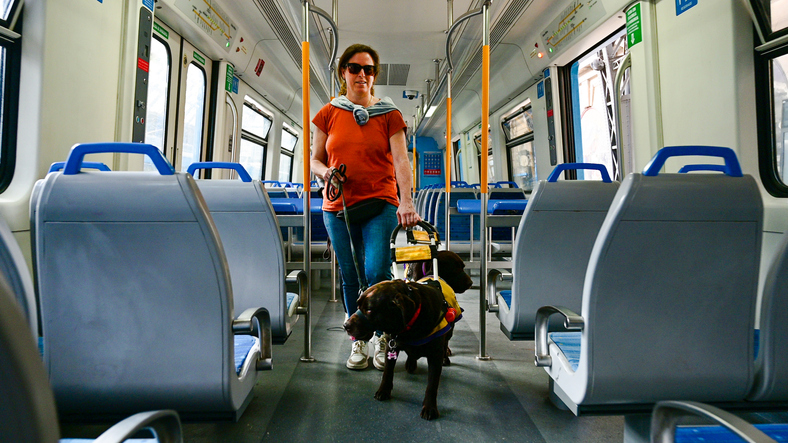
In the late 1920s, an article called “The Seeing Eye” was published. It told Americans about a successful guide dog training program for WWI soldiers in Germany. Letters poured in from readers, asking where they could find a guide dog of their own. A century later, there are an estimated 10,000 guide dog teams currently paired together in the United States alone. Guide dogs not only offer people with visual limitations greater independence but also companionship.
If you’re thinking about being paired with a guide dog, then here’s everything you need to know.
Who Qualifies?
There are several organizations that train and pair guide dogs, and they all have similar requirements. With The Guide Dogs of America, or GAD, individuals qualify for a guide dog if they are legally blind, 18 years old or over, and financially able to care for a guide dog. Applicants must also be able to walk 1-2 miles a day, or at least 30 minutes without stopping, independently or with a cane.
Training in orientation and mobility (O&M) is also required. O&M is training that helps visually impaired individuals navigate the world with confidence. It involves sensory and spatial awareness, searching skills, independent movement, and protective techniques. Every potential guide dog applicant must submit an O&M evaluation before being accepted into a training program.
What to Expect at Training
After an application is received, an instructor will reach out to the applicant for an interview. This is to get to know them and their lifestyle, so they can match individuals with the right dog.
Once individuals are accepted into the program, they are placed in the next class at the training campus. There, students will learn how to interact and work with guide dogs. Applicants are considered prospective guide dog handlers and therefore require training.
Before a guide dog is officially paired with its handler, an emotional bond must form between them. The right match is important so that they both feel safe with one another and can develop a deep level of trust.
“I wanted to expand my mobility ambitions rather than shrink them,” says Mike Brace, a paralympic skier who used a cane for many years. He was eventually paired with guide dog Izzy. “Izzy has allowed me to do more,” says Brace. “She gives me freedom of movement and independence. I can go anywhere with her and know that I will be able to find my way.”
To find a compatible training center nearby, the International Guide Dog Federation has a search-friendly database of training centers worldwide.
Benefits of Having a Guide Dog
While a guide dog’s primary purpose is to help its handler get from point A to point B, its assistance goes well beyond that. Having a guide dog brings new opportunities for social outings and interactions for its owner, resulting in greater self-confidence.
These highly trained dogs can help their owners travel safely using a skill known as obstacle avoidance. They help the handler navigate unexpected obstacles, such as a trash can or a blocked sidewalk. Another skill they use is traffic awareness, in which a dog will refuse to move forward if there is oncoming traffic. These guide dogs are so intelligent that they can disobey their handlers in certain instances, such as these, to keep them safe.
The dogs are also trained to spot essential landmarks, which are locations their handler will encounter in daily life. This means being able to go into a restaurant and quickly find the front counter and restrooms. Other landmarks include crosswalk poles with traffic buttons, benches or chairs, elevators, and exits.
For many visually impaired people, guide dogs can be a vital lifeline to more mobility and independence, but they also become family members. “You build up a very strong bond, being with it 24/7,” says John Welsman, a UK resident currently guided by a dog named Breck. “The dog is not only your mobility aid, it is your companion and communication aid.”
Guide dogs are also in a caregiving role. They learn to read unspoken signals, such as changes in posture or facial expressions, and can tell if their handler needs something. This creates a deep level of trust between them. “Assistance dogs care for humans, and humans also do their best to care for their assistance dogs,” says Suvi Satama, a professor at the University of Turku who studies the caregiving role of guide dogs. “In this way, vulnerability becomes relational, and both parties give and receive care.”
Take Action this April: Autism Acceptance Month
April 1, 2026
A recent storyline in The Pitt introduced viewers to Tal Anderson, an autistic character written authentically rather than falling into general stereotypes. This small shift reflects a broader move toward acceptance as practice. April is Autism Acceptance Month. It is about changing how people view, include, and respond to those on the spectrum. It is a time to raise awareness in the general public through advocacy and lift people up in the autism community.
“Because disability rights are human rights that should always move forward, autism awareness is a step toward autism acceptance that can grow further into autism appreciation,” says Tim Walz, the Governor of Minnesota, who has been vocal about his support for his son with a non-verbal learning disorder, along with ADHD.
Why Acceptance Demands More
According to the CDC, nearly 1 in 3 children under the age of 8 has been diagnosed with Autism Spectrum Disorder (ASD). It affects more boys than girls. There has been a 300% increase in cases over 20 years, suggesting a greater need for qualified practitioners, therapists, researchers, and caregiver support.
Because ASD presents differently from person to person, it is often misunderstood, leading to misjudgment in classrooms, workplaces, and everyday interactions. Broad assumptions hamper those differences, reinforcing the idea that autism looks the same in everyone.
“Despite having certain developmental challenges, a person with autism is not solely defined by their condition,” says Alexander Lopez, licensed occupational therapist and founder of the nonprofit gym Inclusive Sports and Fitness in New York. “That person is still a whole person with their own abilities, potential, and strengths.”
Albert Einstein is often recognized as one of the world’s smartest people. But not everyone knows that he also had ASD.
What the Community Needs
Autism is more than a diagnosis. It is a lived experience full of both challenges and triumphs. For some, it can mean sensory overload in crowded spaces. For others, it can affect how they function socially. For many others, their executive functioning is compromised to the point that it affects their daily lives and ability to study or work. “With supportive resources, many people on the autism spectrum develop greater independence, confidence, and meaningful participation in everyday life,” says Lopez.
For far too long, autism conversations have been led by people outside of the ASD community. Acceptance requires listening to those with lived experience. Their voices must be uplifted, and their experiences must be shared and heard. Autistic individuals frequently report feeling that their thoughts and experiences are compromised or stated inaccurately by well-meaning therapists, parents, friends, and teachers. “Through the practice of ethical listening, researchers can improve the inclusion of authentic autistic voice in research,” says Chandra Lebenhagen, a researcher and director of Including Autism. “It has the added benefit of ensuring that research topics and experiences are positive and meaningful to autistic individuals.”
Through advocacy, individuals with autism and their loved ones can find help in the community. Clear communication, predictable environments, and flexibility in how people learn or work can make the difference. Autism acceptance means making sure public places, including schools and workplaces, are inclusive. In schools, it means accommodating different learning styles without isolating students. In workplaces, it means rethinking hiring practices that filter out neurodiverse candidates. In public spaces, it means considering sensory needs, clear signage, and accessibility beyond physical design. Organizations can go further by building systems that do not rely on one way of thinking or behaving.
Here are just a few ways to take action:
- Amplify autistic voices – Read and share articles, books, movies, and other media created by and for people with autism.
- Create inclusive spaces – Help your workplace, public schools, and other community spaces implement sensory-friendly accommodations. Dress in blue on April 2.
- Support expansion of resources – Donate or fundraise to expand services and fund research.
- Advocate for policy change – Support legislation that creates inclusivity, such as the Autism CARES Act.
- Train yourself to do better – Autism Speaks has developed an Autism Friendly Training to help people learn how to interact with people with autism
“Citizens must take a more active role in engaging people of all neurotypes and creating a welcoming and accessible society for people with autism,” says Governor Walz.
Awareness and acceptance by themselves don’t change outcomes. This April, make it your business to play a small part in creating a lasting change for people with autism.
April should be a special time to recognize the contributions autistic individuals make and to ensure our communities support them. With Insureyouknow.org, you can keep your favorite articles, legislative research, and advocacy records in one place, making it easy for you to take action and support autism inclusivity.
Wishing You Safe and Healthy Holiday Travels
December 1, 2025
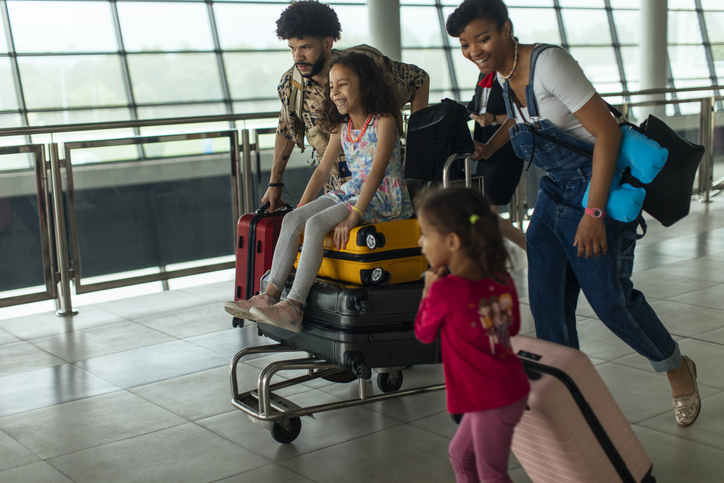
Traveling over the holidays is an opportunity to relax and reconnect with loved ones. But traveling during peak times can also be stressful. The crowds alone can cause some anxiety and concern. Last year, more than 132 million Americans travelled for the Thanksgiving weekend. By planning ahead, you can stay safe and healthy.
A survey of Motel 6 and Studio 6 found that 51 percent of holiday travelers plan to drive, compared to 13 percent who will travel by plane. It can be both easier and more affordable to drive, but according to the U.S. Department of Homeland Security, traveling by car during the holidays has the highest fatality rate of any major form of transportation.
Traveling by Car
By taking simple precautions, drivers can keep their passengers safe. “Number one: budget in extra time,” says Vicky Nguyen, a Consumer Investigative Correspondent for the Today Show. “Even just leaving 15 minutes earlier than normal can take some of the stress out of driving in general.”
Prepare in advance by doing the following:
- Complete any necessary automotive maintenance to ensure your car is ready for the road.
- Make sure you have a full tank of gas (or a full charge for an electric vehicle) the day before you leave.
- Pack the night before and aim for 7-8 hours of sleep.
- Pack water, snacks, and medicines for every passenger, including kids and pets.
- Get comfortable by adjusting your seat and preparing your navigation system before you get going.
“It also can’t hurt to map out your route and identify rest stops, gas stations, and food options,” says Stacey Barber, vice president of AAA Travel. In the case of traffic or bad weather, build in extra time or reschedule your departure. Locate lodging along your route ahead of your trip, in case you need to stop for a night.
Your emergency essentials should include a portable cell phone charger, a first-aid kit, blankets for cold temperatures, a flashlight with extra batteries, jumper cables, and spare tires.
Follow basic driving safety guidelines, including buckling up, obeying the speed limit and other road laws, giving your full attention to the road, especially in construction zones, and avoiding distractions, such as cell phone use.
Plan to take breaks, about every two hours or 100 miles, to avoid getting sleepy on the road. Short walks and stretches during breaks can also help prevent and alleviate pain associated with prolonged sitting.
If you’re driving, keep gifts and other valuables out of sight, preferably in the trunk. At rest stops and in airports, stay alert, be aware of your surroundings, and keep your belongings close.
Traveling by Plane
If you’re flying, plan on getting to the airport two hours before your scheduled departure time. “We ask travelers to pack their patience, especially during peak travel days,” says Ha Nguyen McNeill, a TSA administrator.
Book an early flight. Flights departing after 9 a.m. are twice as likely to be delayed than those scheduled between 5-8 a.m.
Airlines are also reminding passengers to bring their Real ID, which is required for flying as of early May, and to download an airline’s app to track flight updates and receive alerts.
To avoid getting sick while flying, it’s essential to maintain a healthy diet and stay hydrated for at least a few days before traveling. Pack simple, healthy snacks, such as nuts or dried fruit, and a refillable water bottle to bring with you. Keep any necessary medicine in a carry-on so that you can access it easily.
During your flight:
- Handle your own belongings as much as possible.
- Wash your hands whenever possible with soap and water, and carry hand sanitizer and antibacterial wipes with you.
- Avoid touching your face or eyes. If you have to cough or sneeze, use a tissue.
- If you’re sick, consider postponing your trip until you recover.
No one wants to spend their vacation worrying about whether or not their house is safe. By taking basic precautions, homeowners can protect their properties from becoming easy targets of theft.
“A simple step is to lock everything. Ensure all doors, windows, and entry points are locked, including garage doors and sliding glass doors,” says Kimani George of the University of Alabama Police Department. “Secure exterior doors with sturdy deadbolt locks, and leave blinds or curtains in their usual positions. Completely closed curtains can make it obvious you’re away.”
Other steps to protect your home include the following:
- Use timers on indoor and outdoor lights to mimic a routine.
- Install visible cameras on the exterior of the home.
- Ask them to collect mail or packages (or suspend deliveries).
- Arrange for lawn maintenance to avoid the look of a vacant home
- Do not share travel plans on social media.
Announcing holiday plans or posting vacation pictures on social media puts you at a security risk. “By posting pictures of your trip on social media sites, you are alerting the public that your home is currently vacant,” says George. “It is a safer option to wait until you return home before sharing the memories of your travels.”
Holiday travel can be stressful, but being prepared can help you enjoy the time away with loved ones while staying safe and healthy. With Insureyouknow.org, you can keep all of your travel documents and personal identification in one place for easy planning and smooth travels.
Safely Enjoy Summer Fun in the Sun
May 29, 2021

With students out of school and parents ready for a vacation, your summer planning may lead to seasonal activities and events outside during the warmest time of the year. While making a list of your fun in the sun options, keep in mind your family’s health and safety while avoiding the dangers of heat-related illnesses, water-related injuries, grilling hazards and food poisoning, allergy attacks, and the stress of traveling.
The Federal Occupational Health agency offers the following tips for balancing fun activities and sun safety.
Prepare for Heat and Sun
A big part of staying safe in the heat and sun is being prepared. Have an idea of how long you will be out in the sun and the heat, and then plan accordingly by:
- Limiting your outdoor activity, especially midday when the sun is hottest.
- Wearing and reapplying sunscreen as indicated on the package.
- Pacing your activity; starting activities slowly and picking up the pace gradually.
- Drinking more water than usual and not waiting until you’re thirsty to drink more.
- Wearing loose, lightweight, light-colored clothing that protects your skin.
- Wearing sunglasses and a hat.
- If possible, taking breaks from the heat and sun in a shady or air-conditioned location.
For more information, visit the Centers for Disease Control and Prevention’s (CDC) Keep Your Cool in Hot Weather! and Sun Safety pages.
Stay Hydrated
Dehydration is a safety concern, especially during the summer months. Be sure to drink enough liquids throughout the day, as your body can lose a lot of water through perspiration when it gets hot outside. Drinking plenty of water can be part of good nutrition, too. Snacking on water-rich foods like raw fruits and vegetables also can help keep you hydrated.
Without enough fluids, you may experience dehydration. Look for these signs:
- Extreme thirst
- Dry mouth
- Headache
- Muscle cramping
- Feeling lightheaded
- Foggy thinking
Learn more on the MedlinePlus Dehydration page.
Heed Water Safety Precautions
Swimming is an enjoyable way to both cool off and get some exercise, but it also takes extra precautions and vigilance. To lower the risk for water-related injuries or accidents:
- Always have adult supervision for children who are in or around water.
- Do not swim alone, and swim near lifeguards whenever possible.
- Learn to swim.
- If you have difficulty swimming, wear a life jacket when participating in water-related activities.
- Wear a life jacket when boating.
- Know local weather conditions and forecasts before swimming or boating.
For more information, visit CDC’s Water-Related Injuries page.
Additional summer safety reminders include the following tips from National Insurance Services:
Eliminate Grilling Risks
Grilling is a great way to make a delicious meal, especially during summer get-togethers and events. However, grilling carries a number of risks—from fire to food poisoning—that you must be aware of to keep your outing safe and enjoyable. Experts say that food poisoning peaks in summer months for two main reasons: bacteria grow fastest in warm, humid weather, and people generally do not pay as much attention to cleanliness when eating outside.
General Safety Precautions
- Do not allow children and pets to play near the grill until it is completely cool, and you’ve had a chance to put it away.
- Place your grill at least 3 feet away from other objects, including your house, vehicle, trees, and outdoor seating.
- Before using a gas grill, check the connection between the propane tank and the fuel line to make sure it is not leaking and is working properly.
- Only use starter fluid for barbecue grills that use charcoal. Do not use starter fluid for gas grills.
- If you suspect that your gas grill is leaking, turn off the gas and get the unit repaired before lighting it again.
- Never use a match to check for leaks.
- Do not bring your grill into an unventilated or enclosed space, such as a garage or inside your home. This is not only a major fire hazard, but it’s also a carbon monoxide hazard.
- Never grill on wooden decks, porches, or balconies.
Carcinogen Hazard Preventions
- Cook leaner meats that drip less grease. Opt for a turkey burger or a lean cut of beef, and cut visible fat from poultry. When fat drips into the coals or flames, smoke travels up to the meat and releases carcinogens.
- Marinate meat to reduce carcinogens by 87 percent. Herbs contain polyphenolic antioxidants, which prevent the formation of carcinogens on the meat’s surface.
- Scrub your grill with a wire brush after every use. This will prevent bits of leftover food from dropping into the grate and creating carcinogen-filled smoke.
- Use a nonstick cooking spray on the grill rack to prevent meat buildup.
Follow Food Safety Tips
- Wash your hands. You should do this before all types of food prep, and grilling is no exception. If you’re outdoors and there is no bathroom, use a water jug, some soap, and paper towels. Consider carrying moist towelettes for cleaning your hands.
- Separate raw and cooked food. Don’t use a plate or utensil that previously touched raw food to touch cooked food unless the utensil has been washed with hot, soapy water.
- Marinate your food in the refrigerator, not on the counter.
- Make sure food is cooked thoroughly to kill any harmful bacteria that may be present. Hamburgers should be cooked to 160 degrees Fahrenheit, or until they are brown all the way through. Chicken should be cooked to 165 degrees Fahrenheit.
- Refrigerate leftovers within two hours of being cooked—the sooner, the better.
Manage Allergies
Warm weather and high humidity can put a strain on seasonal allergy and asthma sufferers. It’s a peak time for certain types of pollen, smog, and mold. Below are some survival tips to help you manage your allergies during the summer months.
- Protect yourself during prime allergy time—stay indoors between 5 a.m. and 10 a.m., when outdoor pollen counts are usually the highest.
- Avoid extremes—going between intense outdoor heat and indoor air conditioning can trigger an asthma attack and other allergy symptoms.
- Wear a mask when mowing the lawn or if you know you are going to be around freshly cut grass. Also, take a shower, wash your hair, and change your clothes to remove any pollen that may have collected on your body. You should also dry clothing inside, rather than on an outside line.
- Patrol your yard for weeds such as nettle or ragweed and oak, birch, cedar, and cottonwood trees—they all can trigger allergies.
- If you’re allergic to bees, protect yourself. Wear shoes, long pants, and sleeves. It’s also a good idea not to wear scented deodorants, hair products or perfumes, as all of these can attract bees.
Travel Safely this Summer
The following tips can help you plan for a safe and fun road trip:
- Buckle up for safety; you’ll avoid a ticket, and more importantly, should you get into an accident, you’ll increase the odds of surviving the crash and reducing injuries for both you and your family.
- Get a good night’s sleep; drowsy drivers can be as dangerous behind the wheel as drunk drivers. And don’t think coffee or opening windows will be enough to keep you awake— there is no substitute for a good night’s sleep.
- Take a break from driving if you feel yourself getting drowsy. Get out of the car for some exercise or switch drivers if you have that option.
- Do not drink alcohol and drive—you put yourself and anyone around you in danger.
- Conduct a pre-road trip inspection on your vehicle—taking just 10 minutes to ensure your car’s tires are properly inflated, that the fluids are topped off, and that everything under the hood is all right—to identify and mitigate problems that could lead to future breakdowns.
Review CDC’s travel tips on the following topics that are continuously updated as needed:
- Domestic Travel During COVID-19
- When NOT to Travel: Avoid Spreading COVID-19
- Safer Travel Tips for Families with Unvaccinated Children
- Requirement for Face Masks on Public Transportation Conveyances and at Transportation Hubs
- Travel Health Notices
- Cruise Ship Travel
- International Travel During COVID-19
- Travel Recommendations by Destination
- After International Travel
- Travel Planner
- Travelers Returning from Cruise Ship and River Cruise Voyages
- Travel: Frequently Asked Questions and Answers
- Travelers Prohibited from Entry to the United States
- Communication Resources for Travelers
InsureYouKnow.org
When planning your summer vacations, keep track at insureyouknow.org of your health, automobile, boat, and travel insurance policies, as well as passports and COVID-19 vaccination records, for you and your family members. In case you face an emergency or need to prove your coverage, you’ll be able to refer to your secure documents online.