Tag: Digital Health Records
Medical ID Wallet Cards vs. Digital Access: Which is Better?
February 11, 2026
The Emergency Question
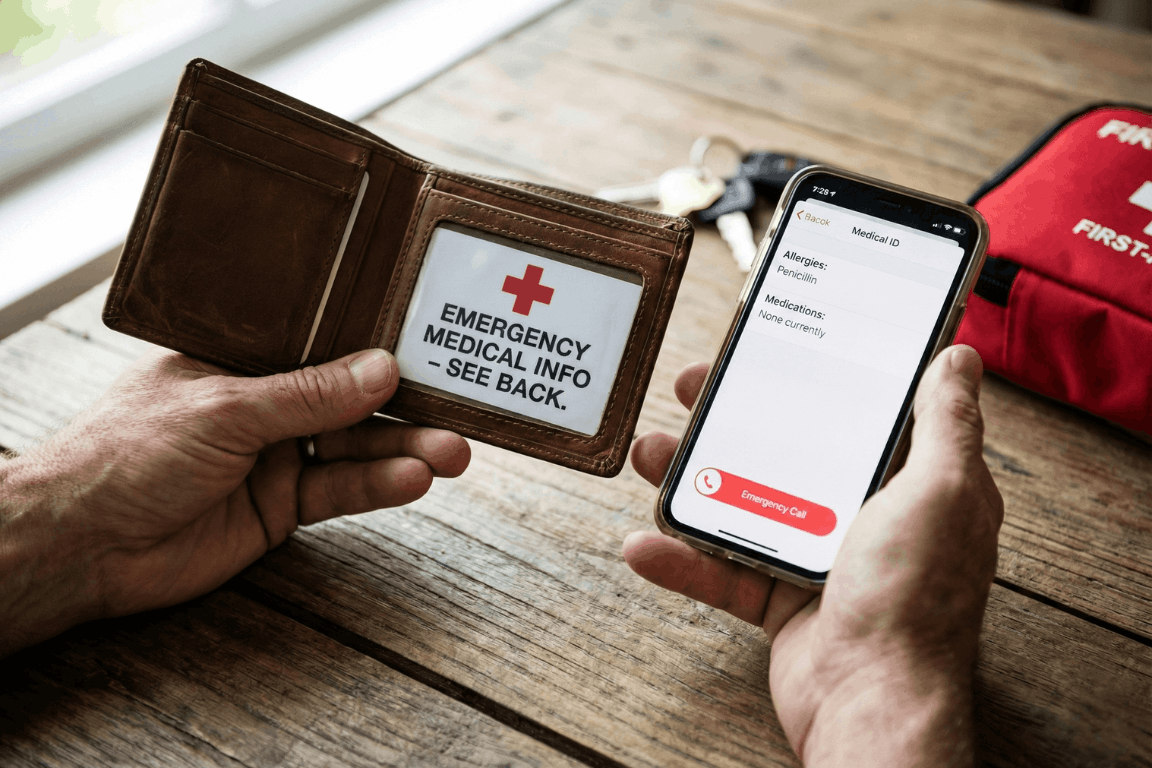
Picture someone collapsing in a store, unable to talk. Paramedics rush over but need answers. What allergies does this person have? What medications? Any serious health problems? Should these details live on a card in their wallet or sit on their phone?
Here’s the thing: picking just one isn’t the best move.
Medical ID Wallet Cards
Advantages
- Battery? What battery? These cards just work, period.
- First responders get it: About 95% of EMTs know to check wallets.
- Zero connectivity needed: Mountains, basements, middle of nowhere. Doesn’t matter.
- Won’t break the bank: Spend maybe $5-10 once, that’s it.
Disadvantages
- There’s only so much room on a tiny card.
- Wallets get misplaced or left at home sometimes.
- People forget to scratch out old info and add new stuff.
- Cards get wet, fade, or become hard to read after a while.
Digital Smartphone Medical IDs
Advantages
- Room for everything: Write down every single medication and condition.
- Updates take two seconds: New prescription? Changed doctors? Fixed instantly.
- Talks to 911: iPhones automatically send this stuff when someone dials emergency.
- Costs nothing: Already sitting in the phone waiting to be used.
Disadvantages
- Dead phone equals zero help.
- Some paramedics haven’t learned the tricks for every phone type yet.
- Accidents crack screens and destroy phones pretty often.
- Weird fact: Only about 1 in 4 people actually bother setting this up.
The Smart Choice: Use Both
- Medical Alert Jewelry: Get a bracelet stamped with the biggest health concern plus “SEE WALLET CARD”.
- Wallet Card: The most important stuff, right there in physical form.
- Digital Medical ID: Everything else stored on the phone (make sure it shows without unlocking).
- Backup Copies: Stick extras in the glove box, desk drawer, with Mom or a close friend. Consider using a secure digital vault like InsureYouKnow to store copies of medical cards, insurance information, and emergency contacts that family members can access when needed.
Quick Setup
Wallet Card:
- Write down allergies, health conditions, meds, who to call.
- Get it laminated so it lasts.
- Make a few copies.
iPhone:
- Open Health app → Find Medical ID → Turn on “Show When Locked”.
Android:
- Go to Settings → Look for Safety & Emergency → Switch on “Show on Lock Screen”.
Total time needed: about 10 minutes.
Real Examples
- Diabetic collapse: Woman’s wallet card listed her insulin information. Paramedics knew exactly what to do.
- Allergic reaction: Guy’s phone shattered during his fall. Good thing his wallet card mentioned that penicillin allergy.
- Lost senior: Older woman wandered off, couldn’t remember her name. Her iPhone Medical ID had her daughter’s number right there.
Who Needs This?
People dealing with:
- Health stuff like diabetes, seizures, heart trouble.
- Bad allergies that could turn dangerous.
- Pills they take every day.
- Pacemakers, implants, that kind of thing.
Common Mistakes
- Picking one method and ignoring the other.
- Setting it up once and never looking at it again.
- Leaving the lock screen access turned off on phones.
- Keeping it secret from family members.
The Bottom Line
Why choose? Wallet cards save the day when phones quit. Digital files hold way more detail than any card could. Together, they’ve got each other’s backs.
- Money spent: Less than fifty bucks
- Time invested: Ten minutes
- Potential payoff: Might literally save someone’s life
Action Steps
- Today: Get that phone Medical ID set up (takes 5 minutes).
- This week: Print out a wallet card (another 5 minutes).
- Twice a year: Check both and update anything that changed.
When things go wrong, having a backup plan makes all the difference.
Storing Everything Securely
Beyond wallet cards and phone apps, keeping digital copies of medical information in a secure vault ensures family members can access critical details during emergencies. Platforms like InsureYouKnow provide encrypted storage for medical records, insurance policies, medication lists, and emergency contacts. This creates another layer of protection, especially when someone needs to share information with multiple family members or caregivers.
Take Control of Your Health Data with a Digital Record Trust
July 31, 2025
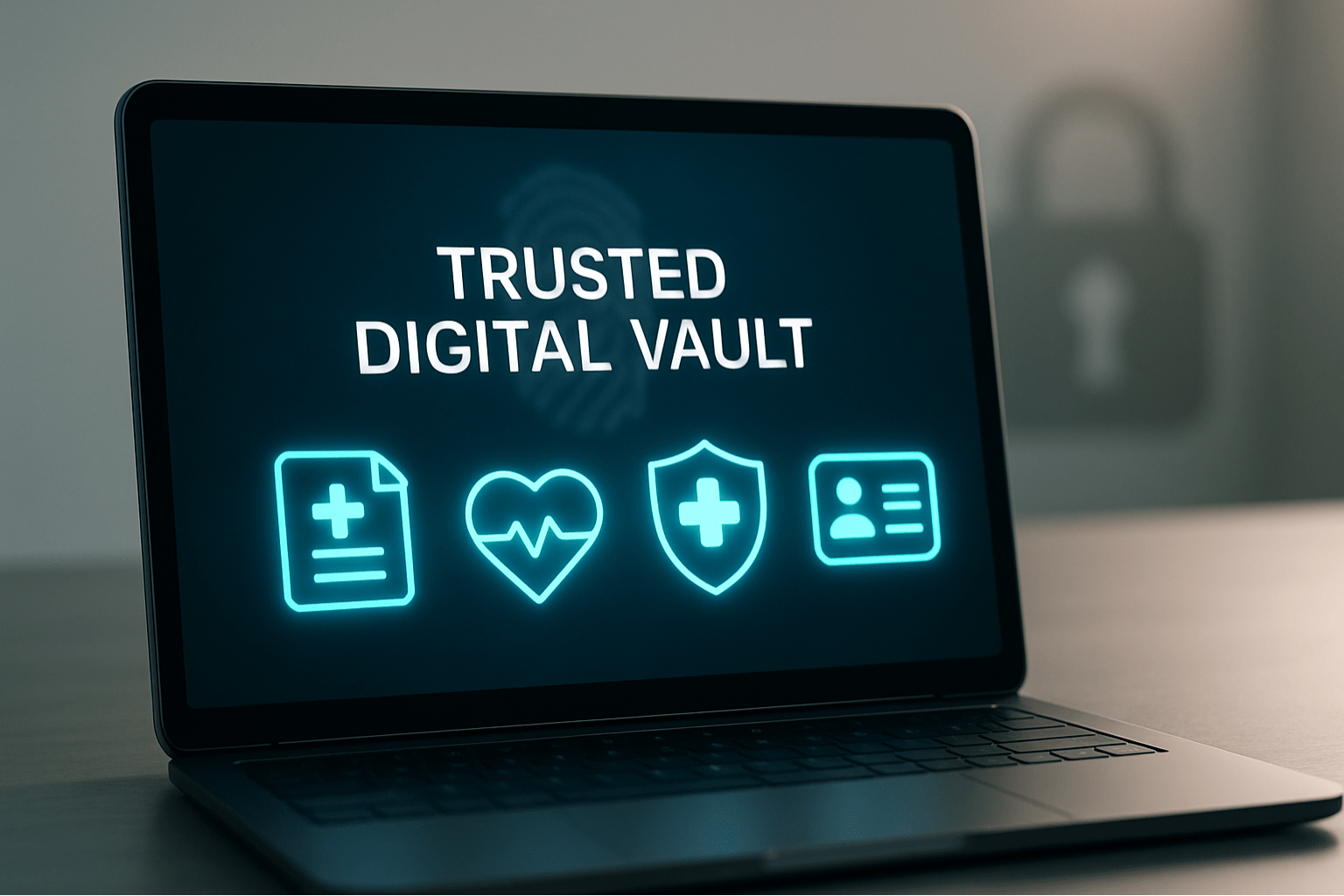
Imagine having all your medical records in one place where you decide who gets to see them. That’s the idea behind a health record trust. Instead of hospitals or clinics controlling access, this system gives you full ownership of your health information.
In the traditional setup, your data is scattered across different providers. It’s hard to access quickly, and you often have to go through formal requests. A health record trust puts you in charge, making your records easier to manage, share, and keep safe.
Why Personal Ownership of Health Data Is Important
When people have control over their personal fitness statistics, they’re empowered to take rate in their care. Instead of counting on hospitals or clinics to manipulate the facts, people can access, update, and proportion their statistics when and how they pick.
This sort of ownership improves portability, permitting sufferers to hold their scientific history throughout providers and places. It also supports accuracy, considering that patients can correct mistakes and hold their data modern. Most importantly, it promotes transparency, making it easier to understand your very own health and make knowledgeable selections.
Personal fitness records possession is a key part of affected person-centered care, wherein the focal point shifts from structures to the character. It ensures your information works for you, now not the alternative way around.
Key Features of a Digital Health Record Trust
A Digital Health Record Trust offers you complete control of your scientific records with tools that keep it secure, private, and smooth to manipulate. Here’s what makes it work:
1. Secure Cloud Storage
Your information is saved within the cloud, in order that they’re usually backed up and to be had whilst you need them—on any tool, anytime.
2. Strong Encryption and Privacy Settings
All data is covered with encryption to hold your personal fitness info safe. You manipulate who sees what, and nothing is shared without your permission.
3. Controlled Sharing
You can provide get right of entry to your own family participants, caregivers, or doctors. This ensures the proper human beings assist you while wanted—specifically in emergencies.
4. Version History and Audit Trail
Every replacement is tracked. You can see what modified, while it modified, and who accessed it, so your records live clear, accurate, and trustworthy.
How InsureYouKnow Supports These Core Principles
InsureYouKnow places you in control of your virtual health statistics. You can manage who sees your files with custom to get admission to permissions—whether or not it’s a circle of relatives, medical doctors, or caregivers.
All files are stored securely inside the cloud with sturdy encryption, preserving your touchy fitness statistics personal and protected.
Built-in reminders assist you hold the whole lot present day, so your facts are always updated while you need them maximum.
Real-Life Use Cases for Digital Health Record Access
1. Travel or Relocation
Whether you’re shifting to a brand new city or journeying abroad, having instantaneous admission to your virtual health facts guarantees docs can get the facts they need quickly—even if you’re a ways from home.
2. Transition of Care
As teens circulate from pediatric to adult care, a secure fitness document machine allows them to make that transition smoother. With all clinical records in a single location, new vendors get the entire image without delays.
3. Long-Term Caregiving
For caregivers coping with the fitness needs of a parent, spouse, or baby, digital access to scientific facts is crucial. It simplifies coordination, reduces stress, and ensures the proper decisions are made at the right time.
Simple Action Steps to Take Control of Your Health Records
1. Review How You Store Your Health Documents
Start by checking in which your scientific records, coverage papers, and emergency contacts are stored. Are they scattered across folders, emails, or physical documents? A short audit enables you to notice what’s lacking or old.
2. Choose Trusted People for Emergency Access
Think approximately who needs to be capable of viewing your information in case you’re ever in an emergency. It might be a partner, adult toddler, caregiver, or dependent on a pal. Make sure they know the way to get entry to what’s wished while time subjects most.
3. Set Up a Secure Digital Vault with InsureYouKnow
InsureYouKnow allows you to construct a non-public health record machine that acts like a virtual “relied on vault.” You can prepare your medical data set, get admission to permissions, and hold the whole thing competently stored in a single area with strong encryption and cloud safety.
Conclusion
Taking ownership of your health facts isn’t just about convenience—it’s about being organized, knowledgeable, and in control. When you control your own fitness records, you reduce the threat of delays throughout emergencies, enhance communique among vendors, and ensure nothing vital is misplaced or neglected.
By preserving your documents prepared, available, and steady in a relied on platform like InsureYouKnow, you create a machine that works for you and your family—each time and everywhere. It’s a simple step that brings lengthy-time period peace of mind and strengthens your potential to make informed selections approximately your care.
Now is the time to take control of your health statistics and construct a more secure, smarter future.