
Category: Volunteering
A Day of Service: Honoring Martin Luther King, Jr. With Civil Action
January 15, 2026
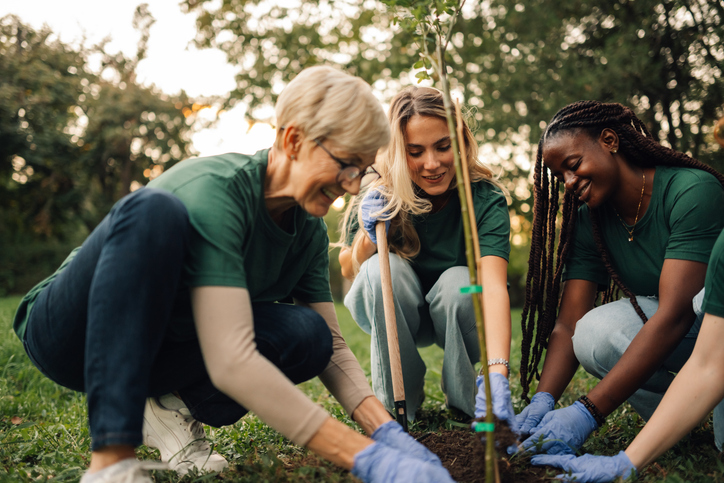
Martin Luther King, Jr. Day or MLK Day, is celebrated on the third Monday of January to honor him and his legacy. But the federal holiday is also meant to be a day of service, where volunteers get out and work in their communities. By making a positive difference in their own neighborhoods, volunteers honor King’s dream of systemic change through community action.
The History of MLK Day
To honor MLK’s legacy, the federal government shuts down on the third Monday of every January. This year, that day is January 19, 2026. It is meant to fall around King’s birthday, which was January 15, 1929. According to Coretta Scott King, the late wife of MLK: “The greatest birthday gift my husband could receive is if people of all racial and ethnic backgrounds celebrated the holiday by performing individual acts of kindness through service to others,”
The campaign for King’s holiday began just four days after he was assassinated, but legislation to honor him took years. In November of 1983, Ronald Reagan signed a bill making the third Monday in January a federal holiday in observance of King’s influence on Civil Rights. The holiday was first observed in 1986, nearly 20 years after MLK’s passing.
According to the Smithsonian National Museum of African American History & Culture, every American is encouraged to volunteer on this day.
MLK’s Influence on Civil Rights
Martin Luther King Jr. was a Baptist minister and civil rights leader who championed equality through nonviolent protest. He rose to national prominence during the 1955–56 Montgomery Bus Boycott, which led to a Supreme Court ruling ending segregated bus seating and demonstrated the power of peaceful resistance. Despite surviving an assassination attempt in 1958, King continued organizing and speaking worldwide.
In 1963, he helped lead the March on Washington, where he delivered his “I Have a Dream” speech, a defining moment that helped advance the passage of the Civil Rights Act of 1964. His leadership in the 1965 Selma-to-Montgomery marches contributed to the Voting Rights Act. In 1968, while supporting sanitation workers in Memphis, Tennessee, King was assassinated, prompting national mourning.
Giving Back
Martin Luther King, Jr. Day is the only federal holiday that is designated as a national day of service. All Americans are encouraged to get out into their communities and do what they can to help their neighbors. On this day, most national parks host a variety of service projects that people can sign up for. To find an event in your area, visit the National Park Service for more information on volunteering. Here are four other meaningful ways to give back on MLK Day of Service, rooted in Dr. King’s call to action:
- Volunteer locally, in person. Spend a few hours with a food pantry, shelter, or community center. Many organizations host MLK Day service events, but you can also show up to help year-round.
- Support an organization doing long-term work. Donate funds, supplies, or professional skills to nonprofits focused on education, housing stability, civil rights, or health equity. One-time gifts matter, but ongoing support matters more.
- Serve through your skills. Offer what you know. Help a nonprofit with writing, design, tutoring, tax prep, technology setup, or translation. Skilled volunteering can remove real barriers for small organizations.
- Commit to civic participation. Register to vote, help someone else register, attend a local council or school board meeting, or learn about a policy issue affecting your community. Service also means staying engaged beyond a single day.
Finding ways to give back doesn’t have to be a once-a-year event. “The time is always right to do what is right,” said MLK. At the beginning of 2026, let MLK’s legacy inspire you to do the right thing all year long. With Insureyouknow.org, you can keep track of your civic projects, volunteer hours, and donations made to the causes of your choosing.
Volunteering for Seniors: Benefits & Opportunities
November 15, 2024
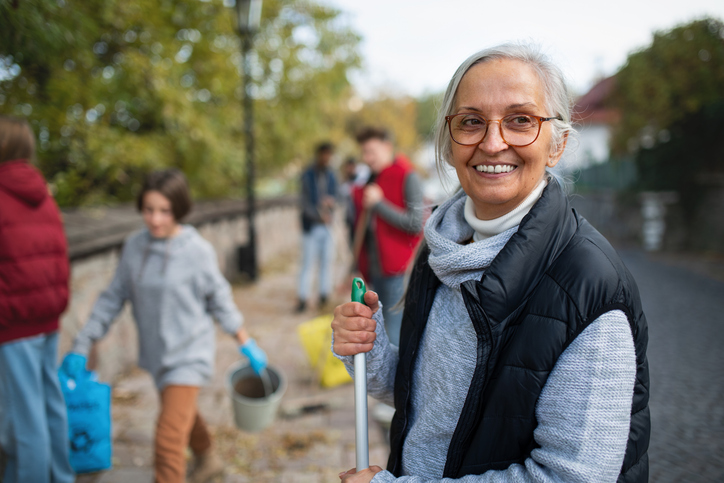
There are good reasons why more than one in five older adults volunteer. A study in the Australian Journal of Psychology found that the more people volunteer, the more their overall life satisfaction increases.
If you find yourself with the urge to help or give back to your community somehow, here’s everything you need to know about volunteering later in life.
Volunteering can improve your physical, mental, and spiritual well-being. The American Journal of Preventive Medicine found that if someone volunteered for at least 100 hours per year, or less than two hours a week, for at least four years, they experienced a reduced risk of mortality, less physical functioning limitations, higher amounts of physical activity, and positive psychosocial outcomes, such as a stronger sense of life purpose. “Volunteering is an affirmation that your time hasn’t ended. It’s also a way to affirm that careers are ongoing,” says Marcia Wall, a career coach. “Continue your career through volunteering, and you’ll continue to have that sense of professional identity that can continue even without getting a paid job,” she says.
Furthermore, volunteerism can prevent social isolation and loneliness, major risk factors for mortality among the aging population. In addition to having the opportunity to utilize the skills you already have, volunteering can provide the acquisition of new skills and knowledge, too. “It’s good for the mind, and for socialization; it’s the idea that we’re all lifelong learners,” says Wall. “There is value in learning for learning’s sake. The idea that our brains and our spirits are still active and you can’t be curious without having a spirit. It’s an affirmation that your time hasn’t ended,” she says.
What to Consider Before Getting Started
Before choosing a volunteer opportunity, think about your “why” and what kind of work you want to do. Read about an organization’s mission and the ways they go about achieving that. Does the work they carry out align with your values? Volunteering is a way to engage with your interests, so make sure that you look for an organization that makes you feel excited and even motivates you.
Then, check the reviews. Pay attention to positive and negative feedback and how the organization responds. Beware of any place that uses phrases like “work tirelessly” or seems understaffed or over-extended. “First and foremost, volunteers should not be considered ‘free labor,’” says Wall. “Volunteers are skilled and valuable contributors who are choosing to donate their time in exchange for a personal reward of some kind,” she says. Ultimately, it’s important for you to feel in control of the work you decide to do. Remember that it doesn’t have to be long-term; you can always pursue other avenues. Volunteering should never feel like a chore.
Six Options for Older Adults Looking to Volunteer
There are volunteer opportunities out there for everyone. Here are several ideas to get you started on your search.
- Local or National Charities
Always look at what’s in your backyard first. Habitat for Humanity, for instance, exists nationwide and helps families in your community establish stability and self-reliance by providing them with homes. Food banks always need assistance with daily tasks such as food delivery and donation gathering. Feeding America lists food banks in your area where you can begin. Charity thrift stores are another great way to help with a cause you care about. The items sold there benefit those who buy them, and the proceeds go toward the organization’s efforts.
2. Local, State and National Parks
The National Park Service is often eager to have new volunteers. Opportunities include helping with one-time special events or long-term commitments that involve tasks such as invasive plant removal or serving as a tour guide and educator.
If pets are your passion, working with your local animal shelter may be the right fit for you. While large, well-known organizations like the SPCA and The Humane Society of the United States are great places to work with, smaller local rescues need help, too. Volunteering with a rescue center may involve caring for and playing with animals, providing potential the public with information, cleaning, and helping at fundraising events.
4. Fostering Younger Generations in a Multitude of Ways
Did you know you could become a foster grandparent for a child living in your community? Fostering a child usually consists of tutoring, mentoring, and caregiving. If that kind of opportunity sounds rewarding, check with your local churches and Americorps for children in need of a foster.
Your local schools are another venue to check with for volunteering to help teachers, tutor children, or chaperone field trips. Eldera is another program that connects those over age 60 to help students with homework, while Big & Mini connects people with common interests intergenerationally. Yet another group is Career Village, which brings former professionals to students interested in those careers. If sports are of interest to you, then coaching a youth team is yet another way to give back to children in your backyard.
5. Providing Companionship to Older Adults
There are several ways to help people your own age, such as volunteering with your local Hospice agency. Hospice opportunities include being a companion to patients at the end of their lives, helping with clerical duties, or making things like fidget mats and quilts for patients. “You’re one on one with a patient or them and their family,” says Erin Long, a hospice volunteer services manager. “It’s individual volunteering and independent volunteering. We look for someone who is comfortable in independent situations.”
There are other ways to assist older adults, including being a companion to someone still living independently at home but needing a little support. Seniors Helping Seniors is just one organization that connects seniors to volunteers in their area. Hosting a meet-up for seniors in your area is another way to connect with people your age, build community among older adults, and even prevent loneliness. Starts at 60 Meet Ups helps volunteers host casual gatherings at coffee shops.
- Community Gardens
If you have a green thumb, gardening might be the right cause. Community gardens can contribute healthy foods to their community, beautify your hometown, and provide you with some health benefits. Working in the garden improves both physical and mental well-being. If your neighborhood needs a garden, then AARP can help you get one going.
Senior Corps links seniors with thousands of opportunities. And don’t forget about checking with family and friends, who may know where the local needs are. With Insureyouknow.org, you can keep all of your volunteering research in one place, as well as schedules and logs of the benefits you notice and your impact. Just remember that every act of kindness can create a lasting impact, no matter how small or large. If you’re interested in volunteering, there’s no better time than now to start your search.