
Category: Scam
5 Scams Targeting Seniors in 2026 (And How to Lock Down Your Data)
January 1, 2026

Can you believe it is 2026? We have apps for everything and phones that are smarter than the computers we grew up with. But there is a flip side. All this tech has handed crooks a brand new playbook. And let’s be honest, they love targeting seniors.
The scams floating around right now aren’t the sloppy emails we used to laugh at. These new ones are sharp. They use fancy tech and psychological tricks to bypass your gut instincts. But don’t worry. You don’t need to be a tech wizard to stay safe; you just need to know what the red flags look like.
Here is what is happening out there and how to keep your private life private.
1. The “Grandchild” Voice Clone (It’s Not Them)
You might remember the old version of this trick. Someone calls pretending to be a grandson in trouble. Usually, you could tell it wasn’t him because the voice was off.
Well, the game has changed.
Scammers are now grabbing snippets of audio from social media videos. If your grandchild posted a video on TikTok or Instagram, that is all they need. They use AI to clone the voice. When the phone rings, it sounds exactly like them. Same laugh, same tone. They will say they are in jail or stuck in Mexico and need money fast.
What to do:
- The Password Rule: Agree on a secret family password. If “Bobby” calls saying he is in trouble, ask for the password. If he can’t give it, hang up.
- Don’t Panic: Hang up and call their real cell phone number. Verify it yourself.
2. The “Computer Meltdown” Pop up
You are just reading the news or looking for a recipe, and suddenly BAM. A siren starts wailing from your speakers. A box pops up on the screen saying your computer is infected and you have to call “Microsoft” immediately.
It is terrifying, right? That is the point.
But here is the truth. It is all smoke and mirrors. Your computer is fine. The person on that phone line isn’t tech support; they are a thief waiting for you to open the front door. If you let them “remote in,” they will swipe your passwords or charge you for fixing a problem that didn’t exist.
What to do:
- Ignore the Number: Real companies like Apple or Microsoft will never put a phone number on a warning pop up. Never.
- The Hard Reset: If your mouse freezes, just hold the power button down until the screen goes black. Turn it back on, and the “virus” will be gone.
3. The Medicare “Chip Card” Trap
Medicare rules are a maze, and scammers know it. The latest trick? A friendly phone call telling you that you are due for a “refund” or a new “chip card.”
It sounds great, doesn’t it? But then comes the catch. To get the goods, they say they just need to “verify” your Social Security Number or your current Medicare ID.
What to do:
- Guard It: Treat your Medicare number like the combination to a safe.
- Check Your Vault: Don’t take a stranger’s word for it. If you keep your insurance details stored in a secure spot, like the InsureYouKnow.org portal, you can just log in and check your official policy. Call the number on your documents, not the one the stranger gave you.
4. The “Pig Butchering” Long Game
This one is nasty because it pulls on heartstrings. It usually starts with a “wrong number” text or a random message on Facebook. The person is nice. You start chatting. Over weeks, maybe even months, you become friends.
Then, they mention money. They are making a killing in crypto or gold, and they want to help you do the same. You might even put a little money in and see it grow on a website they send you. But the moment you invest a serious amount? The website vanishes, and so does your “friend.”
What to do:
- Keep Wallets Closed: Never take financial advice from someone you have only met through a screen.
- Do Your Homework: If they send a photo, run it through a Google Image search. You will probably find that picture belongs to a model or someone else entirely.
5. The Fake Government Threat
Fear is a powerful tool. Scammers love to pretend they are the IRS or the Social Security Administration. You will get a text or voicemail saying your account is “suspended” or you owe back taxes.
They will threaten arrest if you don’t pay right now. And weirdly, they often want payment in gift cards.
What to do:
- Gift Cards equal Scam: The government will never ask you to pay a fine with an Amazon gift card. That just doesn’t happen.
- Slow Down: They want you to panic so you stop thinking. Take a breath. It is almost certainly fake.
The Secret Weapon? Getting Organized.
Why do these scams work? Because they rely on chaos. They hope you don’t know where your real policy is. They hope you can’t find the right phone number to check if the story is true.
If you have your house in order, they can’t touch you.
When you have your vital info, like IDs, policies, and bank contacts, locked in a secure, encrypted hub, you have the power. If someone calls about your life insurance, you don’t have to guess. You log in, look at the real document, and you see the truth.
Stay Safe Out There:
- Verify, Verify, Verify: Don’t trust Caller ID.
- Lock It Up: Use a secure service to store your life’s paperwork.
- Buddy System: Share access to that digital vault with a family member you trust. It helps to have backup.
You don’t have to be paranoid to be safe in 2026. You just have to be organized.
Why Emailing Files to Yourself Is Not a Secure Strategy
December 17, 2025

It happens. A tax return needs saving. A passport needs copying. Time is short. The solution seems obvious: attach the file, type in the email address, and hit send.
Done. Safe. Accessible from anywhere.
Or so it seems.
That “Sent” folder feels like a private archive. In reality, it is a ticking time bomb. Cybersecurity pros don’t view email as a vault. They view it as a sieve. It leaks. And when it comes to the blueprints of a person’s life, wills, deeds, insurance policies, using email for storage isn’t just a bad habit. It is a security nightmare.
The Glass Envelope
Here is the thing about email. It feels private. It requires a password to log in, after all. But once a message leaves the draft folder, it travels across the open web. It hops from server to server.
Think of it less like a sealed letter and more like a postcard. The postman can read it. The sorting clerk can read it. Anyone who intercepts the mail truck can read it.
While big tech companies lock the front door, the data inside often sits in plain text. If a hacker guesses a password, or if the email provider has a breach, those attachments aren’t encrypted. They are just sitting there. Open. Readable. Ready to be stolen.
The Trap of “Searchability”
The best feature of email is also its biggest flaw. It is searchable.
Type “tax” into the search bar, and boom: five years of returns appear. Convenient for the user? Absolutely. But it is even more convenient for a thief.
When cybercriminals crack an account, they don’t scroll through boring updates from Netflix or Amazon. They run bots. These automated scripts hunt for gold. They scan for keywords like “SSN,” “Scan,” “Medical,” or “Deed.”
In three seconds flat, a hacker can scrape a decade of sensitive life data. That PDF of a driver’s license sent in 2019? The user forgot it. The hacker found it. And now, identity theft is just a few clicks away.
The “Whoops” Factor
Then there is the human element. We are clumsy.
Predictive text is great until it isn’t. A user starts typing “Sarah” to send a financial statement to a spouse. The computer autofills “Sarah” the realtor from four years ago. The “Send” button is hit before the brain catches up.
Too late.
There is no taking it back. A total stranger now holds the keys to a private financial life. It happens constantly. It is messy. And it is completely preventable.
The Fix: A Real Vault
If the inbox is a postcard, a Secure Digital Vault is a steel fortress.
This is why platforms like InsureYouKnow.org exist. They don’t just “store” files. They lock them down.
The difference lies in the math. Real security uses AES-256 encryption. Imagine taking a document and putting it through a shredder that turns it into millions of mathematical shards. The only person with the glue to put it back together is the account owner. Even if a thief stole the server, they would get nothing but digital noise.
Plus, a vault brings order to chaos.
When a crisis hits, a fire, a sudden hospital trip, nobody wants to dig through a mountain of spam to find an insurance policy. A vault keeps things sorted. Medical. Legal. Financial. Everything in its right place.
The Bottom Line
Convenience is a trap. Saving ten seconds by emailing a file is not worth the misery of untangling a stolen identity.
Vital documents don’t belong in the “Sent” folder. They belong behind a lock. So, go ahead. Search the inbox for “scan.” Delete the results. And put those files somewhere they actually belong.
Scammer on the Rise: How to Protect Yourself in Retirement
June 1, 2023
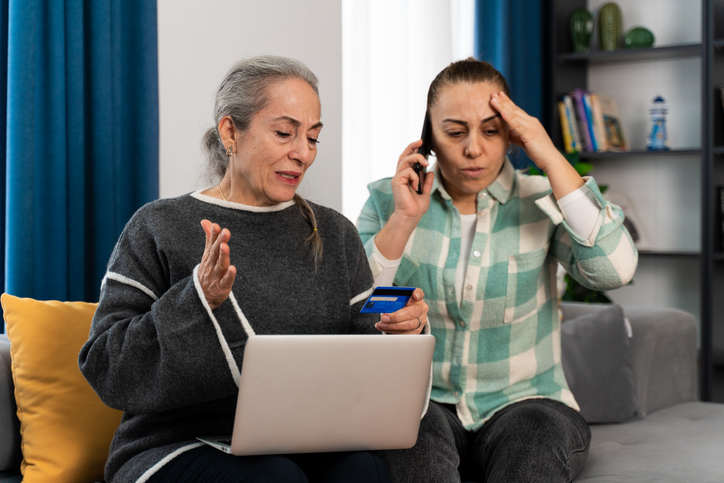
A change in your retirement savings balance could be the result of recent stock market volatility, or because your account has been accessed by someone else and compromised. The National Association of Plan Advisors reported that hackers have been targeting retirement accounts, either through large-scale attacks on financial institutions or by using stolen personal information. Bryce Austin with TCE Strategy said that a hacker can get into your 401(k) two ways, either by “retrieving your credentials with the financial institution” and pretending to be you or by convincing you to do it “on their behalf.” Scammers have been known to contact people posing as the police, claiming that their funds are at risk and convincing them to transfer their retirement money into a “safer” account. If someone does so, then there’s no legal recourse, because they are doing so deliberately; the savings are “just gone,” Austin said. It’s important that retirees are aware of this trend and make sure that their accounts are secure.
Set Up Online Access to Your Accounts
First, make sure that you have online access to all of your retirement accounts. This will allow you to monitor your own accounts regularly. If you ever notice any unusual activity or changes that you have not made yourself, contact the institution immediately. Some firms will not reimburse account holders for fraudulent transactions if they aren’t reported during a certain time frame. Establishing online access also prevents someone else from doing so before you can, since thieves have been known to use stolen information to access and retrieve funds. Create your own Social Security account at ssa.gov while you’re at it, so that hackers don’t divert your Social Security benefits to their own accounts. When out and about, do not use public WiFi connections to check your accounts. Unfortunately, hackers can access these networks and steal your personal information by viewing your online activity.
Access your Accounts Safely
Once you have access to your accounts online, make sure you use a strong password and change it regularly. Your password should be something that a hacker cannot easily guess, such as your or a loved one’s birthday. Next, use multi-factor authentication if your institutions offer this step. Requiring multiple verifications to access your account can stop thieves in their tracks, as well as alert you if someone else is trying to access your account. If you are able to, financial author Cameron Huddleston suggests naming a trusted contact. A trusted contact cannot access your account, but your institution can contact them and make sure that it is actually you who is trying to access your funds.
Periodically Check Your Credit Reports
In addition to monitoring your own accounts, checking your credit reports regularly is one more easy thing you can do to catch any unusual activity on your accounts. A credit report shows all accounts that you have opened, balances, and can even find data breaches. A data breach can compromise your personal information and alert you to change your passwords or close a compromised account. A sudden fluctuation in your credit score can also be a sign that something isn’t right.
How to Recognize (and Avoid) a Scam
If you receive a suspicious phone call, text message, email, social media message, or letter that doesn’t seem right, then trust your gut. The caller or sender may not be who they say they are and it’s likely a scam. If you want to be sure, then you can call the company’s customer service line and verify that they meant to contact you. No matter how official the message may seem, that doesn’t mean it’s authentic. Many scammers pretend to be from the Social Security Administration, Medicare, IRS, or credit card companies. Lawyer and author Steve Weisman says, “The IRS and the SSA will never initiate contact with people through a phone call, so you can be sure that the person calling you is a scammer.” The same goes for Medicare. Your Medicare number is valuable and can enable a criminal to steal health benefits, so if anyone is asking you for your Medicare number, then this is a sure red flag that they are a scammer.
Perhaps the number one rule for protecting yourself against a scam is to never provide anyone with personal information without verifying their true identity. Again, this can be done by hanging up or ignoring the message and calling the company directly. Also, be mindful of your mail. Any documents with sensitive information should be shredded, and if anyone else is retrieving your mail, make sure they are someone you trust. Opting for paperless statements is another safeguard against anyone stealing personal information via your mail.
Anyone who is trying to rush you into making an important financial decision likely does not have your best interests at heart. It’s important to research any company that you plan to invest with. Before buying stocks, you can even check the SEC’s EDGAR database. Be especially skeptical of anyone who is pitching something in a time-sensitive manner, such as a “once in a lifetime opportunity.” A true financial advisor will respect your desire to think it over and even encourage you to do so. Before making any important financial decisions, it’s not a bad idea to refer to a trusted professional anyway. That being said, anyone telling you to “leave everything to me” may not deserve that much of your trust. At the end of the day, you should always be your own expert on your retirement and finances.
The best defense against retirement theft is your willingness to take a few extra steps to protect your accounts, such as using multi-factor authentication and monitoring your own accounts on a regular basis. Most of all, remain diligent about who you’re providing sensitive personal information to. These are simple ways to protect your nest egg and gain valuable peace of mind. Insureyouknow.org can help you store all of your financial information in one place so that your retirement accounts and other finances are easy to monitor. Then you can get back to worrying about what’s really important, such as how you’ll be enjoying your retirement.
