
Category: Living
Moving Into a New Home? Important Documents to Update and Store
November 12, 2025

The day you move into a new home is always a blur. There are boxes everywhere, someone’s hunting for the screwdriver, and the Wi-Fi isn’t working yet. Between excitement and exhaustion, paperwork usually ends up in a pile somewhere, the “I’ll deal with it later” pile.
That pile matters more than it seems. Hidden inside are the documents that prove ownership, protect your investment, and make sure you’re covered if life throws a surprise your way. Spending even half an hour getting it sorted now can save weeks of hassle later.
Here’s an easy way to stay ahead of it all.
Step 1: Collect the Home Documents
Start with the basics: anything connected to the property itself.
The deed, the lease, closing papers, inspection reports, property taxes, the list’s not short, but every one of those pages has a job to do.
Keep them together. Snap photos or scan copies and upload them to a secure place such as InsureYouKnow.org. Paper can get lost, wet, or tossed out by mistake. A digital backup doesn’t.
Step 2: Update Every Insurance Policy
It’s easy to forget how many places your address lives: homeowners, renters, car, health, even life insurance. If you’ve moved, they all need an update.
A change of address sometimes shifts coverage or premiums. Check each policy, make sure everything looks right, and store a copy in your vault. When you actually need those papers, you won’t have to dig through drawers.
Step 3: Review Finances and Bills
Moving tends to scatter money trails. One bank has your old address, a credit card statement goes missing, and a subscription quietly keeps charging the wrong account.
Before things snowball, log in to each account, banks, credit cards, utilities, and loan providers, and double-check that your information’s current. Grab a recent statement or two and save them. Come tax season, you’ll be glad you did.
Step 4: Fix the ID and Legal Stuff
This is the least exciting part, but it matters. Out-of-date identification can make the simplest tasks harder.
Head to the DMV, update your license, change your voter registration, and check your vehicle paperwork. If you’ve moved to a different state, renew your passport details too. Take a quick photo of each ID and tuck it safely into your digital folder, one less worry if a wallet ever goes missing.
Step 5: Round Up Family and Pet Records
Families (and pets) come with paperwork of their own: school transcripts, vaccination cards, medical histories, and adoption or license documents.
Put them all in one place. Upload copies so you can reach them instantly when someone needs a school form or a vet asks for proof of shots. It’s one of those tiny habits that saves time again and again.
Step 6: Check Estate and Emergency Documents
A new home changes the big picture. If you own more now than before, or live in a different state, some legal documents might need attention.
Look at your will, trust, and power of attorney. Make sure beneficiaries are still correct and that addresses match. Upload those to your vault and share access only with the people you absolutely trust. That small act can spare family members confusion later.
Step 7: Why Digital Storage Beats a Drawer of Folders
Paper doesn’t last forever. It fades, tears, and somehow always disappears when you’re in a hurry. Digital storage, especially a secure platform like InsureYouKnow.org, keeps everything in one spot, encrypted and easy to reach from anywhere.
You can label folders, set reminders for renewals, and grant limited access to family or advisors. It turns chaos into order, quietly, efficiently, without any stress.
A Quick Reality Check
Moving is a mix of energy, emotion, and endless details. Once the boxes are gone and the house starts to feel like home, take an hour, grab that pile of paperwork, and go through it.
Scan, upload, label, done. Then forget about it for a while.
It’s not the glamorous side of homeownership, but it’s the one that keeps everything running smoothly. A little organization now means fewer surprises later, and that’s worth more than any new piece of furniture.
Love in the Final Chapter: Caring for a Loved One in Home Hospice
October 15, 2025

When it comes to end-of-life care, 71% of Americans believe the goal should be to help people die without pain, discomfort, and stress. The focus of hospice care is on quality of life and symptom management, and it is designed to provide comfort to individuals with a life expectancy of six months or less.
A team of medical professionals addresses the patient’s physical, psychological, and spiritual needs on a case-by-case basis, ensuring that every patient receives a care plan tailored to their specific needs. Care is most often delivered in the patient’s home, and the hospice team can support caregivers during this process.
Quality is Key
Hospice is end-of-life care, but that doesn’t mean someone receiving care will pass right away. While doctors recommend hospice when a patient only has six months or less to live and is no longer responding to curative treatments, many patients live longer. In such cases, what matters still is a patient’s quality of life, not quantity.
“Each person’s journey at the end of life is different,” says Jessica Kelly, a licensed hospice nurse in New York. “We tailor our care to meet those unique needs, whether that’s managing pain, supporting emotional well-being, or helping families share meaningful moments together.”
Home Care Takes a Toll
While it is nearly everyone’s preference to pass away in the comfort of their own home, the task of caregiving can be more than loved ones expect. “I do think that when patients are at home, they are in a peaceful environment,” says Parul Goyal, a palliative care physician. “It is comfortable for them. But it may not be comfortable for family members watching them take their last breath.”
The burden put on loved ones, especially spouses, can cause caregiver syndrome, which is characterized by the stress and burnout that comes from providing constant care to someone who is chronically or terminally ill.
“Our long-term-care system in this country is really using families, unpaid family members,” says Katherine Ornstein, a professor of geriatrics and palliative medicine at Mount Sinai. “What we really need to do is to broaden the support that individuals and families can have as they’re caring for individuals throughout the course of serious illness.”
Self-Care for Caregivers
Providing care to a hospice patient can be both rewarding and difficult. Social psychology researchers Richard Schulz and Joan Monin found that caregivers suffer when they witness their loved one’s suffering without feeling like they can remedy it. It becomes important not just to care for the patient but for caregivers to care for themselves as well.
One way to start accepting a terminal diagnosis is to begin getting a loved one’s affairs in order. It can be helpful to collect necessary documents and passwords and to begin sorting through possessions. Staying busy during the care process can help manage emotions as they arise.
Handling Grief
It’s easy to get paperwork and belongings in order. It’s not as easy to manage your grief. The loss of a loved one is among life‘s most significant stressors. Grief can affect every aspect of your health. While everyone’s experience is different, it is common to feel intense emotions during a loved one’s illness and after losing them.
Here are ways caregivers can take care after loss:
- Express your emotions. Bottling them up will only intensify them.
- Don’t put yourself on a timeline. People move forward at their own pace. Trust that your pain will lessen over time.
- Take care of yourself as you grieve. Eat nourishing meals, stay hydrated, and sleep enough.
- When you’re ready, exercise. It can reduce stress, tension, and sadness.
- Hospice providers make grief support groups available to anyone who has lost a loved one in hospice care.
- The Hospice Foundation also offers a newsletter to help during bereavement.
When to Seek Help
Most people find a way to adjust to their loss, but it is a painful and uncomfortable process. About 10% to 15% of people who are grieving have a complicated reaction to their loss. Grief experts agree that if grief is unmanageable, meaning someone has not returned to their pre-loss level of functioning within six to 12 months, it may be time to seek the professional help of a grief counselor. Your hospice team can help you find the care you need.
Handling a loved one’s affairs is one way caregivers can manage their grief. With Insureyouknow.org, you may organize financial documents, property records, and other documentation of personal effects. Getting everything in order can bring you some peace of mind during emotionally challenging times.
Digital Pet Records: Organize and Store Pet Documents Securely
September 3, 2025

Pet emergencies rarely arrive at the right time. A dog limps after a jump. A cat suddenly won’t breathe easily. Owners grab at folders, glove compartments, even the folded vaccination slip that’s been stuck under a fridge magnet for months, only to realize the insurance info or medical history is still missing.
The vet keeps asking questions. What shots were given? What allergies are known? Too much time slips away.
That’s why keeping pet records, health notes, policy papers, and vet numbers saved in one secure digital spot makes such a difference. Instead of chaos, the details are ready in seconds. And that can mean faster decisions and better care when pets need it most.
Why Digital Pet Records Matter
In a real emergency, minutes feel heavy. A vet may ask about past shots or allergies, but the papers are often buried, tucked in a kitchen drawer under receipts or lost in an old email. With digital pet records, the answers are ready in seconds, and treatment doesn’t have to wait.
The same holds true when care is handed off. A sitter, a family member, even a boarding kennel can check pet medical files online instead of relying on rushed notes over the phone.
The truth is, organized records bring peace of mind. Storing pet papers safely in one place removes clutter and helps ensure steady care, whether at home, traveling, or in an emergency room late at night.
What to Include in Your Digital Pet Emergency Kit
When something goes wrong, the last thing anyone wants is to dig through drawers for missing papers. A simple digital kit avoids that headache.
The basics come first: vaccination records and health notes. Vets usually ask for them before doing anything else.
If the pet has coverage, add the insurance policy number and provider. It saves phone calls later. Keep proof of ownership too, like microchip info, adoption papers, or even a vet’s ID slip.
An emergency contact list matters just as much. The family vet, a backup clinic, a sitter, and one relative who can step in should all be easy to reach.
Then there are the little things. Care notes about food, medicine, or allergies may sound small, but they help anyone give consistent care. Storing these pet papers online in one safe place means less panic and faster help when every minute counts.
How to Securely Store Pet Documents Using InsureYouKnow
InsureYouKnow makes it simple to keep pet papers in order. Snap a photo of a vaccine slip or scan an insurance form, then upload it with a clear label like “Bella – Shots” or “Max – Insurance.” No more shuffling through drawers when the vet is waiting.
The files stay safe with encryption, so medical notes and policy numbers are private but easy to reach. Reminders can be set for shots or policy renewals, which means nothing gets overlooked.
Sharing is easy too. A sitter, boarding place, or vet can be given access to just the records they need, making care smoother and less stressful.
With everything in one place, digital pet records stay organized, secure, and ready when pets need it most.
Organizing and Managing Pet Info
Saving files is just the start. How they’re organized matters. Clear labels like “Vaccination,” “Insurance,” or “Ownership” make documents easy to find.
Adding details like the pet’s name, birthdate, or microchip number helps avoid mix-ups, especially with multiple pets.
Updates are important too. After checkups, insurance renewals, or when a new pet joins, taking a few minutes to update records keeps digital pet documents accurate and ready when needed.
Emergency Scenarios Where This Helps
Imagine the dog collapses during an evening walk. Heart racing, the family grabs the leash and heads to the vet. They don’t have to dig through drawers or emails. Digital pet records are ready on a phone. Shots, allergies, medications, all visible in seconds. The vet can start treatment right away, and stress levels drop for everyone.
Not all emergencies are medical. Moving suddenly, last-minute boarding, or traveling with a pet can turn chaotic fast. Having pet papers stored securely online means sitters, boarding staff, or vets can see what’s needed without endless calls or searching.
A few organized files can turn panic into calm. Pet documents online make sure pets get the care they need, wherever and whenever an emergency strikes.
Conclusion
Just like people, pets have important papers that need care. The vet, insurance info, and vaccination slips all matter. If you’re running around during an emergency, it’s easy to lose track. That crumpled slip under the couch or buried email suddenly matters more than ever.
The truth is, digital pet records make life simpler. Snap a photo, upload it, and label it clearly. Share it with your vet, a sitter, or a boarding facility when needed. It’s quick, secure, and saves time when every second counts.
Take a few minutes today to set up your pet’s digital profile with InsureYouKnow. It’s simple, it’s safe, and it gives peace of mind knowing your furry friend’s records are ready when they’re needed most.
Having Surgery—Is Your Home Ready?
August 1, 2025
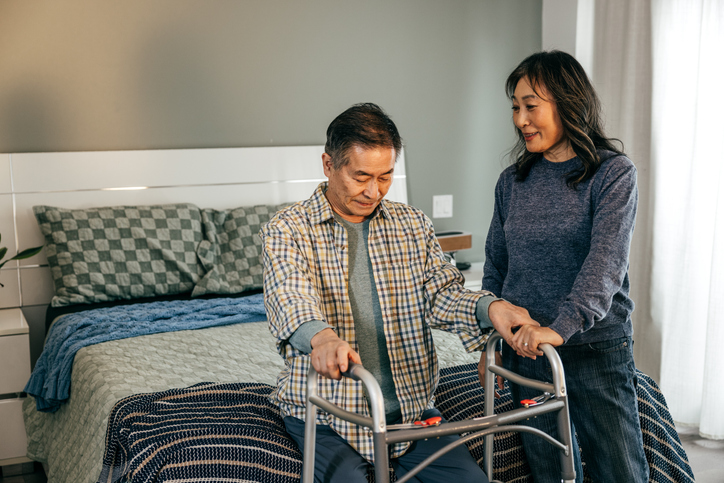
According to the National Library of Medicine, one in nine Americans has at least one surgery each year. The hospital discharge is just the beginning. Imagine returning home from surgery, groggy and sore, only to discover you can’t climb the stairs, reach the pain meds, or safely take a shower. That’s why preparing your home before the surgery is just as important as the procedure itself. Known as prehabilitation, this proactive approach helps reduce stress, lowers the risk of complications, and prepares you for a safer and smoother recovery.
Here’s everything you need to think about preparing before surgery.
Stay on Top of Recovery
Your doctor is the best resource for preparing for surgery. Ask them what to expect after surgery so that you know how to prepare best. Even when patients are discharged on the day of their surgery, it can take several months to return to normal activities. Following your surgeon’s care instructions can ensure a smooth recovery.
For older patients undergoing joint replacement procedures, physical therapy after surgery is crucial in regaining strength and mobility. “A knee or hip replacement is fundamentally a major surgery,” says Matthew Abdel, an orthopedic surgeon at the Mayo Clinic. “Everything related to that remains essential– preparing the patient, educating the patient, managing expectations, and having a multidisciplinary team in place – all must work together to allow that patient to go home that day safely.”
Things to consider:
- Learn the best way to contact your doctor if you need assistance after the surgery. If your doctor uses a patient portal to communicate with patients, make sure that you are registered and have access before your procedure.
- Know what your pain management plan will be. “Pain after surgery is something that a lot of patients fear,” says Sterling Elliott, a clinical pharmacist and a professor at Northwestern University. “Knowing how to make good decisions about your options, especially nonopioid ones, will help you feel better and make the best progress.”
- Research outpatient rehabilitation facilities that accept your insurance and would be willing to work seamlessly with your doctor.
- Stay on top of your follow-up appointments to ensure timely and effective communication.
Arranging for Help
You’ll likely need support with a variety of tasks after surgery, from getting a ride home from the hospital to potentially requiring round-the-clock care for several weeks. To ensure your safety, most surgeons recommend having someone stay with you the first night after surgery and arranging for a caregiver to be nearby or living with you for the first three to five days of recovery.
Think about the tasks around the home that you’ll be unable to do on your own. Determine who will be helping you after the surgery and make those arrangements in advance.
Things to consider:
- Arrange for someone to collect the mail, tend to the lawn, or dispose of the trash.
- Don’t forget to check the calendar. Reschedule any other appointments as needed and pay all your upcoming bills in advance.
- If you have pets, consider asking a friend or family member to care for them or board them before the procedure. This will allow you to focus on your recovery and avoid an accident with an active pet.
Preparing the Home
Take time to thoroughly clean and organize your home before surgery. Simple touches—like freshly washed sheets on the bed—can provide comfort and make your recovery more restful. Think about the parts of the home that you’ll need access to the most after surgery.
Things to consider:
- Set up your bed on the first floor if possible.
- Ensure you have convenient access to a safe and easy-to-use bathroom during your recovery.
- Fill the closet with clothes that are easy to put on and take off.
- Move everything you’ll need to where you can reach without having to bend down or stretch.
- Shortly before the surgery, buy the groceries you’ll need while recovering at home.
- Meal prep in advance or make full meals to keep you fed for a week or more.
- Place food in a cabinet between your waist and shoulder height and put the dishes you’ll use most on the kitchen counter.
- Use paper products if doing dishes would not be ideal while recovering.
- Keep your phone and charger handy.
To prevent falls, inspect every room for tripping hazards. This includes tucking away electrical cords, installing nightlights, getting clutter off the floor, and securing rugs. Rearrange furniture to create clear pathways for walking, especially if you’ll be using assistive equipment such as crutches or a wheelchair. For more extensive recovery periods, a home healthcare professional can visit your home to provide installation recommendations, such as grab bars in the bathroom or a stairlift in two-story homes.
While preparing the home for an upcoming surgery can be a lot of work upfront, the opportunity to recover in one’s home environment is beneficial. “It satisfies patients,” says Abdel. “You recuperate with your family. You recuperate in your home environment. You don’t feel like you’re institutionalized.”
Many people feel apprehensive before surgery, but poor mental health can negatively affect recovery. Anxiety and depression are shown to increase pain and stress, as well as slow wound healing. Getting outside, making time for enjoyable activities, and eating a healthy diet are all ways people can care for their mental health before undergoing surgery. With Insureyouknow.org, you may store all of your medical and financial records in one accessible place, giving you one less thing to worry about while you recover.
What to Do After a Loved One Dies
June 15, 2025

The loss of a loved one is one of life’s most stressful events. Almost ninety percent of people over the age of 16 have experienced grief, but 57% of Americans have experienced a significant loss within the last three years.
Mourning is the natural process someone will go through when a loved one passes away. Though many initially gather with friends and family to share the loss, the mourning process is personal and may last months or years.
Here are some gentle steps to take when processing the loss of a loved one.
Know the Symptoms of Grief
Dealing with death is something most people would rather avoid altogether, but grieving isn’t something to put off. Your grief is likely to be felt physically, emotionally, and psychologically. Allowing yourself to move through your feelings is integral to the process.
Give Yourself Time
Now is the time to take care of yourself. You don’t need to put an expiration date on your grieving. “Some people grieve for years, and while they become more functional as time goes on, they may still get hit out of nowhere with grief-related feelings,” says Dr. Judy Ho, host of the podcast Supercharged Life.
“Grief isn’t linear; it’s more circular. You may feel like you’ve accepted the loss, then something happens months later, and you circle back to denial,” says Ho. However long it takes you to begin feeling better is unique to your situation. So be gentle with yourself as you experience waves of mourning.
Routine is Everything
It is essential to develop and stick to a new routine. Many activities will feel different, and it’s okay to make changes accordingly and try new things. However, sticking to some of what’s normal for you can also be a great comfort. “Grief has a way of rocking our sense of safety, but routine creates stability, which often codes as safety,” says Dr. Anita Robinson, author of The Gift of Grief.
Lean on Your Support System
When a loved one dies, it affects everyone in their circle. “Don’t manage grief alone,” says Melissa Robinson-Brown, a clinical psychologist in New York. “If there were ever a time to lean on family and friends, this would be it.” Talk to those you feel most comfortable with and let them know what you’re experiencing.
While everyone finds their way to cope, it can be valuable to share the loss of someone and grieve together. People should be open and honest with one another and not try to hide their feelings. Because the roles of family members may change, it’s best to communicate with one another moving forward.
Bereavement Groups and Counseling
It may be helpful to join a bereavement support group. Bereavement means the state of having been deprived of something or someone valued, primarily through death. Being around others experiencing the same loss level helps many feel less alone. Hospices, hospitals, and community organizations will all have more information on support groups in your area.
One-on-one counseling can be an essential part of losing a loved one and processing that loss in a healthy way. Death can come as a great shock, and mental health counselors can offer a safe place for you to resolve those emotions. Through hospice, bereavement care is even provided for up to 13 months.
Experiencing the loss of a loved one can be a painful process. Focusing on the joy the relationship brought to your life is a great source of solace during the most emotional moments. With Insureyouknow.org, you may store your loved one’s records for safekeeping so that when it’s time to handle the logistics of someone passing, you’ll be up for the task.
Everything to Know if You Want to Live and Age in Place
June 1, 2025
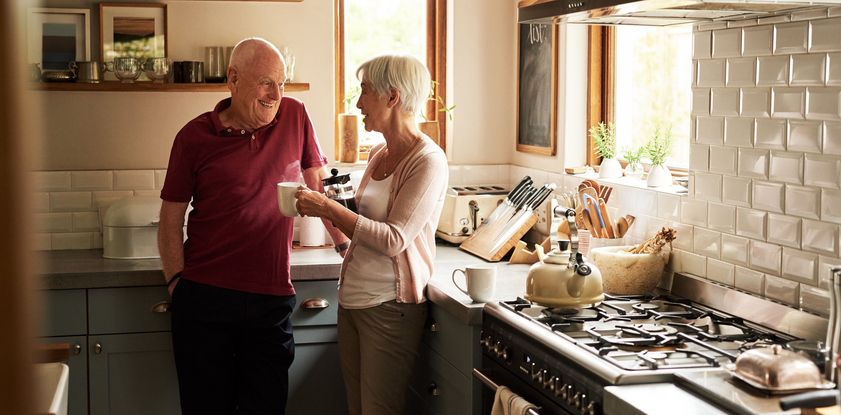
Most people would prefer the comfort of having their own space as they age. Studies show that as many as 90 percent of adults wish to remain home. Living in place, sometimes known as aging in place, also equates to maintaining independence for as long as possible.
“For many of us, home is comfort. There’s a history we are familiar with: It’s family, friends and neighbors. It reflects our culture and our community,” says Emily Johnson, a licensed clinical social worker. “As we begin to lose control of other aspects of our life, staying in our home says, ‘I can accept help, but I am still running the show.”’
Remaining home as you grow older requires careful consideration and thoughtful planning. Here’s everything you need to know about living and aging in place.
Make Your Plans Now
The best thing to do if you want to age in place is to plan for it now while you are still able to. Consider what kind of help you may need now or want in the future. Planning ahead gives you time to set up your home and budget for the required changes and services.
Be sure to factor in any health conditions you or your spouse may already have. Think about how that condition may make it difficult to care for yourself independently. Then, talk to family and friends about what level of support they can offer. Ensure everyone’s realistic and plan to revisit the issue periodically over time.
On average, an adult over the age of 65 falls every second in the U.S. You can prevent accidents at home with these simple safety measures:
- Apply contrasting colored electrical tape on stair landings.
- Remove throw rugs without grip from the home.
- Clear away clutter, including loose cords.
- This includes the outdoors; porches and walkways should be swept and shoveled.
- Ensure the home is well-lit and place night lights in halls and bathrooms.
- Always use handrails and install grab bars in showers and tubs and next to the toilet.
- Always wear proper-fitting supportive shoes in the house and outdoors.
As conditions change, you may need to reassess your home regularly for potential hazards. To troubleshoot, ask a family member or friend to complete a walkthrough with you for a second set of eyes.
Budget For Services
Home-based care services can be used in short-term situations, such as during recovery from surgery, or in the long term for those who need ongoing help. In addition to healthcare services, people may need help with chores, meal delivery, or transportation for doctor’s visits.
While home-based services can be expensive, they may cost far less than moving into an assisted living facility. The Eldercare Locator is a resource that connects people to caregivers through local support services.
People often rely on various payment sources, including personal funds, long-term care insurance, and government programs. For more information on government-based healthcare and financial assistance, visit USA.gov.
Prioritize Your Long-Term Health
If your goal is to stay home, then make your overall health maintenance a top priority. Stay current with your doctor’s visits and set alarm reminders for medications.
Make a plan to maintain body strength as you age, powerful legs to support balance and assist you in getting up safely from a seated position. “Strength, balance, and flexibility exercises are key to preventing falls, which are among the greatest threats to our healthy longevity,” says Scott Kaiser, a family physician and geriatrician.
In addition to scheduling regular exercise into your routine, don’t forget about your mental well-being. “Investing in meaningful relationships is one of the most important things we can do to increase our health, quality of life, and wellbeing,” says Kaiser. Remain engaged in social activities and plan visits with loved ones, including video calls with those who live farther away.
Prepare for the Unexpected
Always be prepared for unexpected events and medical emergencies. “Be proactive,” says Johnson. “Where are there gaps now or barriers to living independently in the future?” For instance, if you have a preexisting allergy or medical condition like diabetes, wearing a medical alert ID bracelet is a simple precaution. A wearable electronic monitor that can alert emergency personnel in the event of a fall is another easy measure to implement.
Even if the plan is to stay at home for as long as possible, there may come a time when that’s no longer safe. The decision about whether or not to move away from home is a difficult and emotional one to make.
It’s best to mentally prepare for that possibility now while there’s still time to have some control over where you’ll go. Learn as much as possible about the available housing options and include loved ones in the search.
Living in place is an attainable goal with the right amount of forethought. At Insureyouknow.org, you may store all of your financial and medical records in one easy-to-review place. By staying on top of your budget and health needs, you will have already taken care of the most critical components of your aging-in-place plan.
How Much Sleep Do You Really Need?
May 1, 2025

You might pride yourself on burning the midnight oil or think you’re functioning fine on five or six hours of sleep—but your body would likely disagree. According to the CDC, a third of all adults in the United States report that they don’t get enough sleep, and that’s troublesome since the benefits of a good night’s rest are numerous. Sleep isn’t just downtime—it’s when your brain files memories, your body repairs itself, and your mood resets.
So how much sleep do you actually need to feel your best? It’s not a one-size-fits-all answer. While many people are under the assumption they can operate on less than seven hours of sleep a night, research shows that seven hours is just the bare minimum needed.
Here’s everything you need to know about how long you should aim to sleep nightly.
Seven Hours Isn’t Exactly the Golden Rule
According to the CDC, the average adult between the ages of 18 and 60 needs at least seven hours of sleep. “Some people need less than seven hours, while others might need more,” says Eric Zhou, a psychologist at the Division of Sleep Medicine at Harvard Medical School.
While people usually focus on the amount of sleep they need, they forget to consider the quality of sleep they’re having. For instance, you may go to bed at 11 p.m. with an alarm set for 6 a.m., but when do you actually fall asleep, and are you staying asleep all night?
“Instead of focusing exclusively on the number of hours we sleep per night, we should also consider our sleep quality,” says Zhou. It’s about the time you spend in bed every night, but it’s more about the amount of uninterrupted deep sleep you’re experiencing nightly.
Wearable sleep trackers, such as the Oura Ring, Fitbit, or Apple Watch, can provide valuable insight into your patterns and help you develop better sleep habits.
Women May Require More Sleep
The traditional estimate of nightly seven to nine hours of sleep is based on studies that only involved men. This has recently led many to wonder whether or not women need more sleep than men, and several factors suggest they may.
Since women are often caregivers, they are wired to multitask and use more of their brain, while they also report higher levels of stress. This mental exhaustion alone could account for them requiring slightly more sleep every night.
The other factor is hormonal, depending on where they are in their cycle each month, as well as during pregnancy and even after menopause. For instance, the hormone progesterone, which peaks at different times, is a relaxing hormone and often leads to drowsiness.
While not everyone agrees, many health professionals are beginning to recommend more sleep for women, who probably need at least eight hours of sleep a night.
Factoring in Age
The younger you are, the more sleep you need, especially when the body is growing or going through major changes. A newborn needs up to 17 hours of sleep a day, while a teenager between the ages of 13 and 18 needs up to ten.
As you age, melatonin production, which is the sleep hormone, declines. The result of less melatonin is waking up earlier or waking up throughout the night. Once over the age of 61, getting the recommended amount of nine hours of sleep can become more challenging.
How to Get a Good Night’s Sleep
Consistency is key for a good night’s sleep. Try maintaining the same time window between lying in bed and waking up. This works because the body recognizes routine and can be trained to sleep within a specific time frame. “People with good sleep quality often have a predictable sleep window where their sleep occurs,” says Zhou. “Good sleepers are likely to sleep around the same number of hours and stay asleep through the night.”
Physical activity during the day also influences how well you sleep at night. The more activity you incorporate into your day will directly correlate to how much sleep your body needs and therefore, how tired you’ll be by bedtime. “Activity increases your sleep drive,” says Dr. Michelle Drerup, a sleep medicine psychologist. “It’s important to develop exercise as a habit. Pick a time of day that works for you and exercise at the same time every day.”
Refraining from eating two to four hours before bedtime can also help. When we eat, the body must switch gears to digestion, so when you eat right before bed, you must focus on digesting that food and cannot fall into a deep sleep. Eating before bedtime robs your body of its capacity to concentrate on the work it does while you’re sleeping.
The same rule applies to nightly screen time. Studies show that two or more hours of screen time in the evening can disrupt the rise in melatonin you need to fall asleep. Turn devices off at least one hour before bedtime, and replace scrolling with reading a book, taking a bath, or meditating. If you must use your phone at night, reduce your blue light exposure by turning down the brightness or switching to nighttime mode in the evening.
Building a routine that you can stick to ensures the right amount of sleep every night is possible. With Insureyouknow.org, you can store your medical records in one easy-to-review place. The effort you put into a good night’s rest will show in time.
Making Friends at Any Age: Why It’s Never Too Late
April 1, 2025

As you get older, you have more responsibilities and are busier than when you were younger, so it may seem like you have less time to make friends. Due to family and professional responsibilities and eventually retirement, people only go to a handful of locations outside their home.
“People make friends in all stages of life,” says Saba Lurie, licensed marriage and family therapist in Los Angeles. “Maintaining and making new friends as we age may be more difficult because we’re spending less time going to places such as work, religious and community centers.”
By being willing to connect with new people and stay in touch with our friends, developing a rich social network is possible as we age and is beneficial to our health.
The Liking Gap and Acceptance Prophecy
When people meet others for the first time, they perceive themselves to be less likeable than they are. Researchers call this phenomenon the “liking gap.” That means that when you meet people for the first time, they will likely enjoy your company more than you realize. If you keep that in mind, it may be easier to introduce yourself to new people and feel more confident in how you’re perceived.
If you believe that others will accept you, then the odds of you being accepted by them rise. Conversely, if you think other people won’t take you upon meeting you, the odds increase that they won’t. This is called the “acceptance prophecy.” So if you believe they’ll like you when you meet someone new, they probably will.
Remembering the liking gap and acceptance prophecy when interacting with others for the first time should empower you and give you the courage to put yourself out there more often.
Where to Meet New People
No matter what kind of friend you’re looking for, the best place to start is with what interests you. If your job is also a passion, you may want to try connecting with your coworkers at work and off hours.
But if your job is simply what you do and not necessarily what you love doing, consider incorporating more hobbies into your schedule. That could be joining a gardening meetup, running club, or pickup basketball game.
Outside of work and other hobbies, consider your identity. Are you a mom of young children, for instance? Then you may want to find a mommy and me playgroup or join the parent-teacher association at your child’s school.
Putting yourself around others with similar passions, interests, or lifestyles makes it easy to find things to discuss and relate to each other. “Take an art class, volunteer at the library. Develop some regular routines,” says Lurie. “You need to take a step in showing up.”
Companionship Versus Deep Connections
It’s important to remember that there are different kinds of friends. Some friends are good companions while at work or as a workout buddy at the gym. These types of connections can become more substantial in time, but if not, that doesn’t mean that these types of companions are less valuable. People who have more companions and social interactions with new people are happier than those who have fewer as well as being happier on days when they have more encounters. “These minimal social interactions give us something important that we missed during the pandemic: novelty,” says Gillian Sandstrom, senior lecturer in psychology at the University of Sussex. “We learn surprising things when we have unplanned encounters and conversations with people.”
Most people only form deep connections with a handful of people in their lifetime. These are the relationships that stand the test of time and distance. Many people with this kind of connection can go years without seeing each other but maintain closeness by checking in regularly with one another. With long-term friendships such as these, it’s important to work at fostering them, whether that’s making the point to see them in person when you can or by staying in regular contact with them through texting, phone calls, and video chats.
Keeping Friends Close During Hardships
Sometimes, life gets challenging or overwhelming. Many people will self-isolate when the going gets tough instead of reaching out to those around them, but the hard times hold friendship benefits. Reaching out to a friend when you need support can strengthen that bond, while feeling connected to others alleviates stress. Researchers have even found that people judged a hill to be less steep when accompanied by a friend.
While making time for friends, whether old or new, may seem like yet another to-do on an already overflowing plate, feeling connected to others more often may help you feel like your life is more manageable. With Insureyouknow.org, you may keep track of your calendar, social obligations, and other essential appointments. By keeping your schedule organized, you can focus on showing up and enjoying the company of your comrades.
Everything to Know About Equine-assisted Psychotherapy
March 14, 2025

Horses are well known for the special connection they form with their owners, but bonding with horses is not only more accessible than ever, it can be healing. Beyond pet companionship, horses can be used in therapeutic settings to help people process challenging emotional experiences.
During equine-assisted psychotherapy (EAP), people may groom, feed, or lead a horse with a mental health professional nearby. The main goal of this form of therapy is to help patients with emotional regulation. EAP differs from traditional talk therapy as it offers a more inviting setting, brings people outside, and allows them to use all their senses while processing emotions.
How Horse Therapy Differs From Traditional Counseling
Unlike humans, horses bring different qualities to therapy. For example, horses cannot give patients a feeling of bias or judgement, but because they are sensitive to emotions, they still convey a sense of understanding and connection. “They’re sentient beings, and they think and feel and have incredible memories,” says Paige Deponte, director of an equine-assisted trauma-informed care organization in Honokowai, Hawaii. “They were made to do this.”
Plus, horses’ care, such as feeding and grooming, is therapeutic and helps build empathy. The horse’s unique nature gives people a better awareness of their emotions, increased adaptability, stress tolerance, and even self-esteem. “The goal is for the client to find out more about their needs through a series of questions,” says Depontei. “No session is ever the same.”
Horses Have Been Used in Therapy Throughout History
Hippocrates, the Greek physician known as the “Father of Medicine,” wrote about the therapeutic benefits of horseback riding around 400 BCE. Around the world, horses have even been used to heal specific physical ailments. Scandinavia used equine therapy to treat patients with myelitis in 1946, and in 1952, the Olympian Liz Hartzel credited the healing power of horses as helping her recover from polio.
Riding became a popular form of therapy in the 1950s and 1960s. The North American Riding for Handicapped Association was formed in 1969 and eventually became the Professional Association of Therapeutic Horsemanship International, recognized as PATH. By the 1980s, American and Canadian therapists created a more structured Hippotherapy model to be referenced for treatment.
The Benefits of Horse-Assisted Therapies
Equine-assisted forms of therapy are becoming more popular because of increasing evidence of their effectiveness. “I think it’s growing, and the benefits of it are commanding attention because it is unique,” says Whitney Diamond, who breeds and trains horses for a living. “A huge part of the reason why I believe that the therapy is so powerful with horses is that they’re so primal.”
It’s thought that since they’ve been domesticated for some time, horses are attuned to human emotions and nonverbal signals. This allows them to mirror what someone is feeling, enabling the patient to recognize their mental state. “A big part of therapy is that you must work with them,” says Diamond. “It’s powerful because you have this other being that’s not judging you, that’s working off synergy and energy, and they’re going to meet you where you’re at, good or bad.”
EAP is shown to be just as effective in children, teens, and adults and may be used to help with anxiety, depression, and trauma. EAP can benefit young children who find it challenging to open up and process painful experiences.
There are also physical benefits from working with horses. Caring for an animal is shown to decrease blood pressure and improve cholesterol levels. Horses in particular encourage socialization through other riders, which can lessen feelings of loneliness and isolation. Vigorous horseback riding is also a great cardiovascular exercise, while grooming the horse and taking care of equipment can help build strength.
How to Find a Treatment Center Near You
You may reference PATH Intl. or the Equine Assisted Growth and Learning Association to find an EAP certified professional. These are the most reputable organizations that set the standard, train, and certify anyone using horses as a part of therapy.
Those who are interested in trying EAP are advised to find a program that specializes in their specific difficulty, such as anxiety or trauma recovery. The mental professional at the given organization will then be able to tell potential clients whether or not they seem like a fit for the program.
If you have any physical limitations, especially back injuries, then EAP might not be the right fit for you. Other considerations include a fear of horses and the cost of therapy, which may not be covered through insurance.
If you or a loved one may benefit from equine-assisted therapy, you may look for an organization that takes your insurance or offers affordable care. With Insureyouknow.org, you may keep your medical records and progress reports in one easy-to-access place. By keeping track of the changes you notice during therapy, you can observe how you benefit from this unique form of connection in many different ways.
How to Prepare for College Living: A Survival Guide for Incoming Students
February 15, 2025

Congratulations! You’ve been accepted into college, and soon, you’ll embark on one of the most exciting adventures of your life, along with 16 million others. But before you start dreaming about campus life, late-night study sessions, and newfound independence, there are some practical steps to ensure a smooth transition. From dorm essentials to financial planning, this guide will help you prepare for college living.
1. Master the Art of Budgeting
Living on your own means managing your finances wisely. Here’s how to stay on top of your budget:
- Create a Budget: Track your expenses, including tuition, rent, food, transportation, and entertainment.
- Use Budgeting Apps: Apps like Mint, YNAB, or PocketGuard can help you stay organized.
- Open a Student Bank Account: Many banks offer students accounts with low or no fees.
- Look for Discounts: Your student ID is your best friend—use it for travel, entertainment, and shopping discounts.
2. Pack Smart: The College Essentials Checklist
You don’t want to arrive at college and realize you forgot something crucial. Here’s what to bring:
- Dorm Room Must-Haves:
- Bedding (twin XL sheets, comforter, pillows)
- Storage bins and organizers
- Desk lamp and power strips
- Laundry hamper and detergent
- Shower caddy and flip-flops
- Tech Gear:
- Laptop and chargers
- Noise-canceling headphones
- Portable hard drive or cloud storage subscription
- Kitchen Supplies:
- Mini fridge (if allowed)
- Microwave or coffee maker
- Reusable water bottles and utensils
- Emergency Kit:
- First aid supplies
- Medications
- Flashlight and extra batteries
3. Set Up Your Health & Insurance Plan
Make sure you have a solid plan in place for medical needs:
- Health Insurance: Check if you’re covered under your parent’s plan or if your college offers coverage.
- Locate Healthcare Providers: Know where the nearest doctor, dentist, and urgent care clinic are.
- Stock Up on Essentials: Pack prescription medications, vitamins, and a basic first-aid kit.
4. Learn Basic Life Skills
College is a time to gain independence, so mastering basic skills will help you thrive:
- Cooking Basics: Learn how to make simple meals to save money and eat healthier.
- Laundry 101: Know how to separate colors, use detergent, and read washing machine settings.
- Time Management: College life is busy—use planners or apps to manage assignments and social activities.
5. Prepare for Roommate Life
Sharing a living space can be a challenge, but good communication helps:
- Set Boundaries Early: Discuss sleep schedules, cleaning duties, and guest policies.
- Be Respectful: Small gestures, like cleaning up after yourself, go a long way.
- Resolve Conflicts Maturely: Address issues directly and respectfully to maintain a positive environment.
6. Get to Know Campus Resources
Colleges offer plenty of support services—take advantage of them!
- Academic Support: Visit tutoring centers and writing labs.
- Mental Health Services: Many colleges offer free or low-cost counseling.
- Career Services: Start networking and building your resume early.
- Student Organizations: Join clubs to meet new friends and enhance your college experience.
College is a time of growth, challenges, and unforgettable experiences. By planning ahead, you can make the transition smoother and set yourself up for success. Embrace the adventure, stay organized, and don’t hesitate to ask for help when needed. You’ve got this!
InsureYouKnow.org
College graduation prompts transitioning from a school-based existence to one replete with adult responsibilities. By preparing for the unforeseen future, college grads who do their homework and keep their records at insureyouknow.org, can begin living their lives to the fullest.