
Category: AI
Digital Death Directives: How to Stop Posthumous AI Doppelgangers
March 25, 2026
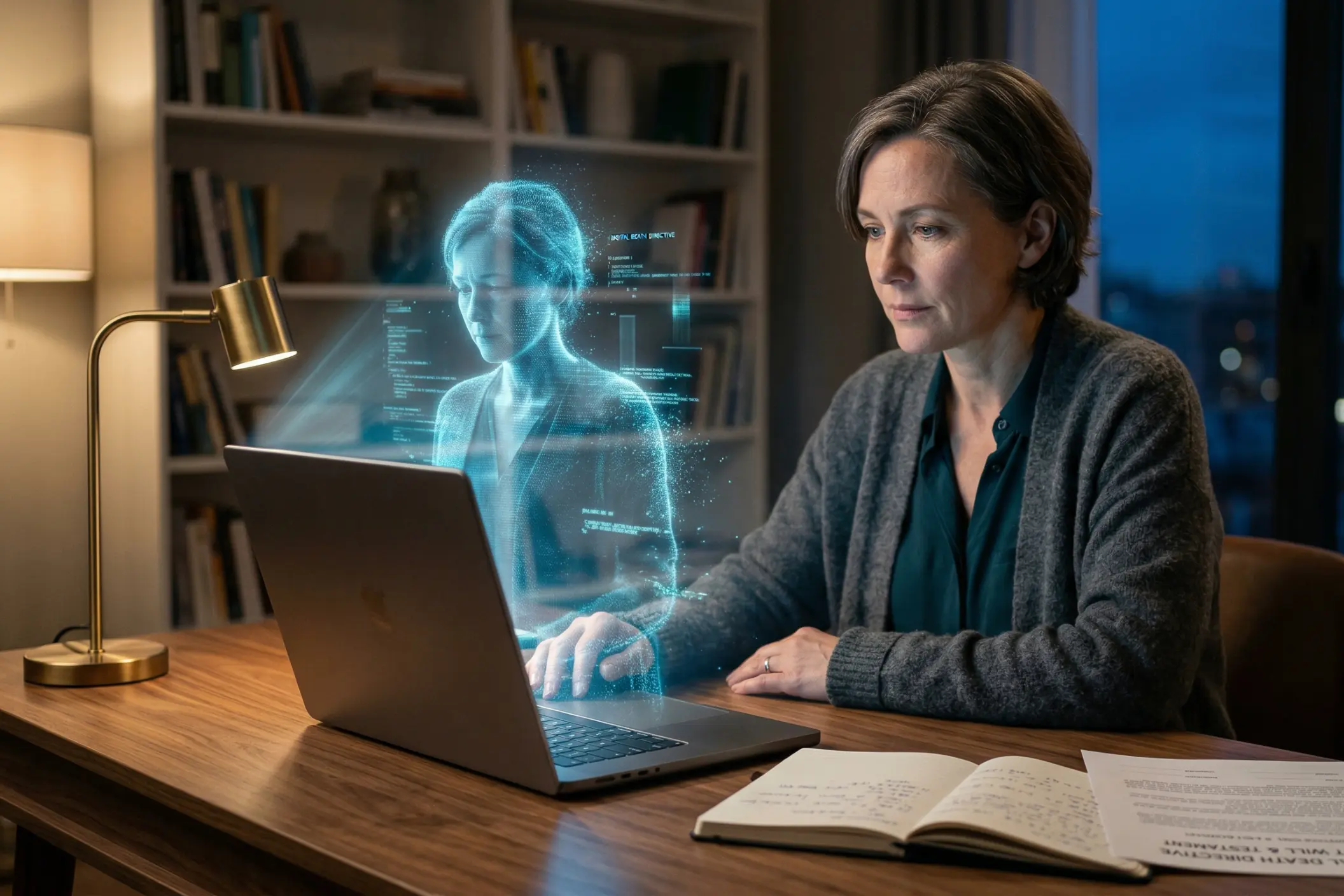
The afterlife has officially relocated. It now lives on servers.
What used to be a purely spiritual concept has collided head-on with artificial intelligence, spawning a frankly bizarre, multi-billion-dollar market dubbed “grief tech.” This booming sector takes cutting-edge generative algorithms and uses them to resurrect the dead digitally speaking. Software can now map the exact voice, facial tics, and conversational habits of someone who recently passed away. The result is a highly interactive, slightly unsettling avatar that texts, speaks, and reacts from beyond the grave.
Sure, this technology brings a strange sort of solace to some grieving families. But it also rips open a massive ethical and legal black hole. As the software gets cheaper and sharper, building a posthumous “digital doppelgänger” is no longer just a weird plotline from a late-night sci-fi show. It is happening right now. That harsh reality explains exactly why modern estate planners are aggressively pushing a vital new tool for everyone’s administrative toolkit: the Digital Death Directive.
The Rise of “Grief Tech” and the AI Afterlife
Families used to rely on dusty photo albums, fading polaroids, or old voicemails saved on a carrier network just to remember a loved one. Generative AI completely shattered that old dynamic. Mourning is rapidly shifting from remembering someone quietly to actively chatting with their digital ghost.
Startups and massive tech conglomerates alike are clawing for a piece of an estimated $126 billion death tech industry. And the mechanics are shocking in their simplicity. Users just dump audio files, old text threads, angry emails, and vacation pictures into a proprietary model. Almost instantly, the machine spits out a convincing voice clone or a deepfake video. These so-called “deadbots” actually study a person’s specific sense of humor. They learn their slang. Surviving relatives can literally text a synthetic version of the person they buried last week and get back an eerily accurate response.

Developers keep filing patents for wild new integrations, too. Some experimental designs even let algorithms hijack a deceased user’s social media feeds, posting memories and commenting on photos exactly like the living person used to do. It is a stunning technological leap. It is also an absolute minefield.
The Ethical Minefield of the Digital Doppelgänger
Just because a developer can code a digital soul does not mean anyone actually should.
Getting a morning voice note from an AI replica of a late spouse might offer a temporary emotional crutch for people struggling through raw grief. Yet, psychologists are increasingly sounding the alarm. Leaning too heavily on a machine often short-circuits the natural human mourning process. It traps vulnerable people in a loop, fostering an unhealthy dependency on a bot that feels absolutely nothing.
Then, you hit the legal nightmare. The laws surrounding digital resurrection are practically nonexistent. A handful of states have passed post-mortem privacy laws, but those generally just protect famous celebrities from unauthorized commercial deepfakes in movie trailers. For everyday citizens? There are virtually no rules. Nothing stops a distant cousin, a rogue app developer, or a scam artist from scraping a dead person’s public online life to build a clone.
Imagine the potential fallout. A grieving widow opens her smartphone to a synthetic voice message from her late husband, cooked up by well-meaning friends who accidentally caused severe emotional trauma instead of providing comfort. Worse still, cybercriminals clone a voice using public TikTok videos to bypass biometric banking security and drain dormant checking accounts. Without explicit, legally binding instructions left behind, families walk into this digital chaos completely blind.
Enter the “Digital Death Directive”
Standard estate planning relies heavily on a Last Will and Testament to hand out tangible objects houses, cars, vintage watches, and cash. But traditional wills completely ignore the massive, sprawling digital footprints people drag behind them today. That is exactly where the Digital Death Directive takes over.
Think of it as a highly specialized addendum to a will, or a standalone legal document, that dictates precisely how a digital legacy gets handled when the heartbeat finally stops. Above all else, it plants a firm legal flag regarding consent. It specifically outlines the total refusal or permission for posthumous AI recreation. Drawing clear boundaries protects the deceased’s identity while sparing exhausted heirs from making impossible, agonizing choices during a funeral.
Key Elements of a Comprehensive Digital Death Directive
To make sure a tech company or a family member actually follows these digital wishes, the document needs a few non-negotiable pieces built directly into its framework:
1. Explicit Consent or Refusal for AI Recreation
The single most critical clause today tackles artificial intelligence head-on. The paperwork must clearly state if personal data can be used to train voice clones or video avatars. If the answer is yes, the document must specifically name who gets to pull the trigger and what exact software platforms they are legally allowed to touch. If the answer is no, the language must slam the door completely shut, forbidding anyone from twisting the person’s likeness into a chatbot.
2. The Appointment of a Digital Executor
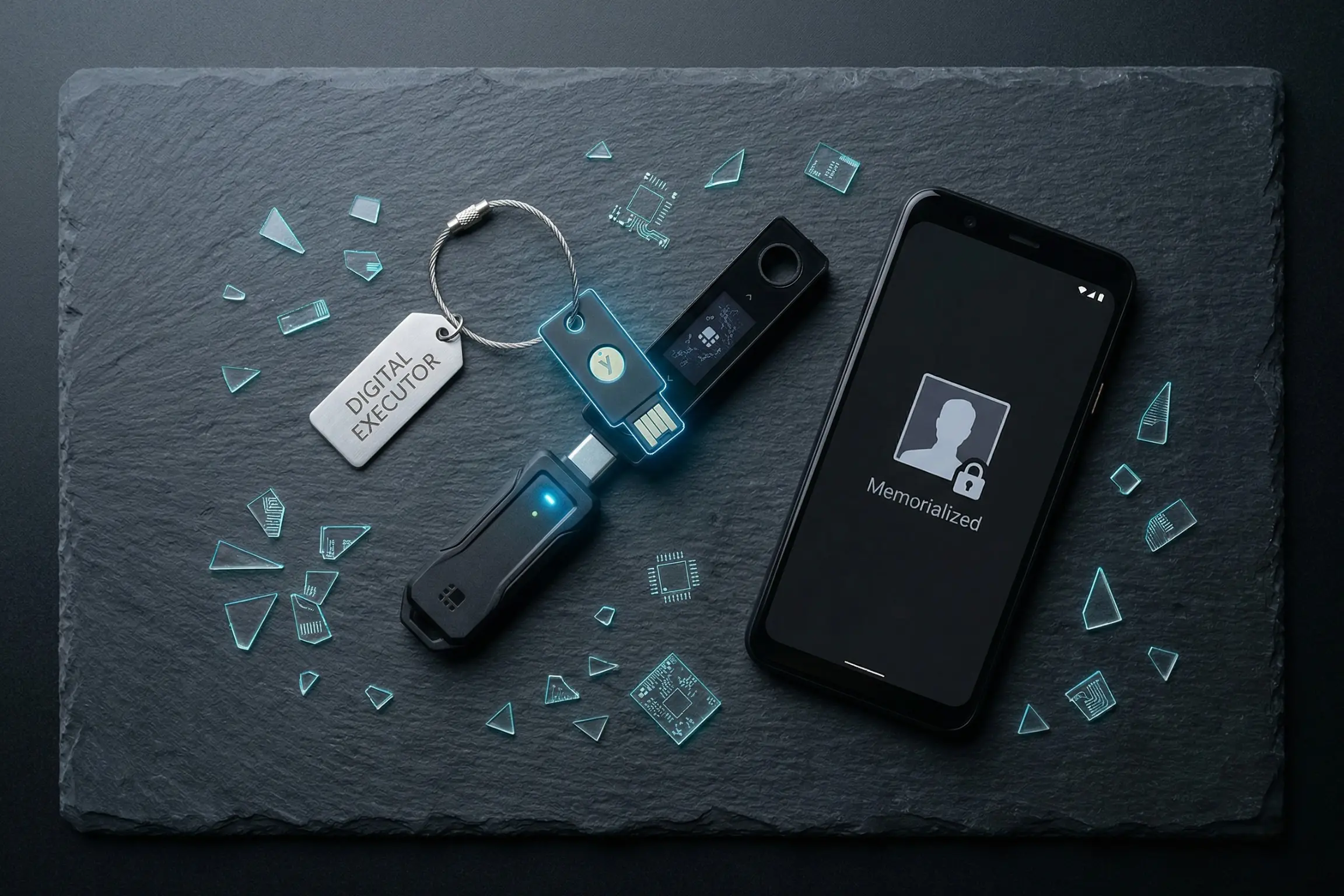
Physical wealth needs a standard executor. Digital estates require a Digital Executor. This specific person gets the legal green light to act as a digital bouncer. They manage, download, or completely nuke digital assets, acting as the ultimate enforcer for the directive’s rules.
3. Data Destruction vs. Data Archiving
Everyone hoards weird digital baggage. Unflattering search histories, awkward direct messages, hidden photo vaults, and rough drafts of emails. The directive tells the Digital Executor exactly what to save for the grandkids and what to permanently burn. Many people strongly prefer a total post-mortem data wipe to keep their secrets safely hidden.
4. Social Media Memorialization Protocols
Social profiles essentially serve as modern-day gravestones. The directive must decide if accounts on platforms like Facebook, Instagram, or LinkedIn should vanish completely into the ether or shift into locked, official “Memorialized” modes where nobody can log in and post new content.
5. Access to the “Seed Phrase” and Financial Tech
For anyone holding cryptocurrency, NFTs, or decentralized assets, standard banking rules simply do not apply. Sliding a death certificate across a desk to a bank teller will not unlock a Bitcoin wallet. The directive has to map out exactly how to find hardware wallets and private keys. Without those exact seed phrases, the funds disappear into the blockchain forever, totally unrecoverable.
The Importance of Secure Storage
Writing the document is really only half the battle. Storing it poorly makes the entire effort totally worthless.
Decades ago, families stuffed important papers into bank safe deposit boxes or heavy, fireproof home safes. But the digital age moves way too fast for physical brass locks. A bank vault is totally useless on a Sunday night during a sudden medical crisis in a different time zone. Furthermore, static paper documents cannot keep up with the endless password updates and new account creations that define modern internet usage.
Proper estate planning demands modern storage solutions. Critical documents belong in an encrypted, independent cloud environment. That setup guarantees the Digital Executor and trusted partners can grab the directive the exact second they need it, no matter where they happen to be standing.
Taking Control of the Digital Hereafter
The line separating life, death, and data gets blurrier every single day. As tech companies relentlessly push the envelope of what is scientifically possible, protecting a posthumous identity falls entirely on the individual. A Digital Death Directive is no longer a quirky, niche tool for tech nerds. It is a fundamental necessity for anyone with a Wi-Fi connection.
By locking down these difficult decisions today, individuals guarantee that a digital doppelgänger will never hijack their life’s true legacy. Taking action now allows the real memory to finally rest in peace.
Take the Next Step to Uncomplicate Life: Ensure loved ones never have to guess or fight about a digital legacy. Take 10 minutes today to draft a Digital Death Directive and upload it securely to the InsureYouKnow.org Electronic Safe Deposit Box, where it remains encrypted, protected, and instantly accessible to trusted partners when they need it most.
AI and Data Privacy in 2026: Securing Vital Information
February 19, 2026
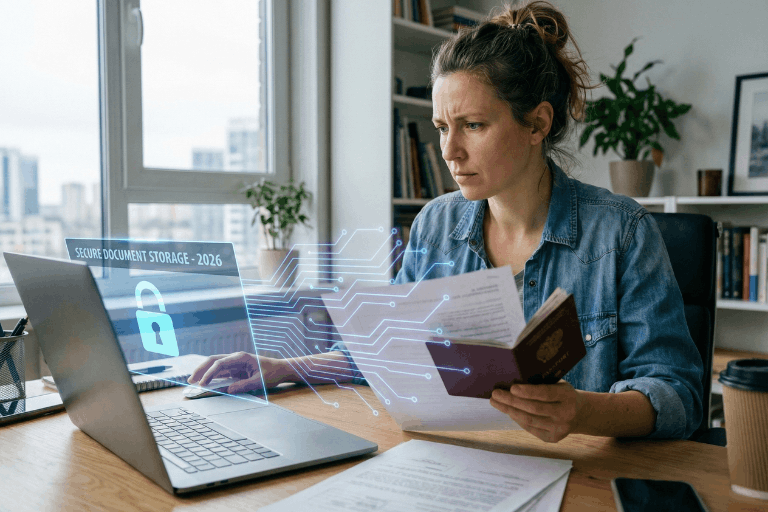
Forget the old sci-fi movies. Today, artificial intelligence practically runs the show. It handles everything from spotting diseases to balancing checkbooks. Every major industry uses these tools to save time and cut corners. But there is a massive catch. This entire system runs on one specific fuel. That fuel is personal information.
Understanding how these powerful computer networks handle private details matters more today than ever before. The tech moves incredibly fast. The ways companies grab and store digital footprints change right along with it.
The AI Data Appetite: How Information is Used
Machine learning models are hungry. These systems require an unbelievable amount of raw material to actually function. Sometimes, a program chews through billions of data points just to learn a single, simple pattern. A fast screen swipe, a late-night online purchase, or a routine doctor’s chart update, they all leave a permanent mark.
Code then sifts through this massive pile of details to customize what people see online. Sure, that makes picking a streaming movie or getting a quick cash loan way easier. But it comes at a cost. Big corporations constantly harvest and tag private details. These software tools connect the dots between things that seem totally unrelated. Next thing you know, a retailer is predicting what a customer will buy next Tuesday, or even guessing their secret health conditions.
Emerging Privacy Risks in the AI Era
This massive leap in technology brings a totally new set of privacy headaches. People have to deal with these threats every single day.
- Sophisticated Cyber Threats: Hackers rarely waste time guessing passwords anymore. Why bother? They use generative code to craft perfect phishing emails and hyper-realistic deepfakes instead. These modern scams blow right past old-school security filters. Because of this, bank records and identities sit directly in the firing line.
- The Rise of “Agentic” AI and Shadow Apps: Smart software agents operate on their own now. They move files and make choices at crazy speeds. When employees or everyday folks rely on unregulated “shadow” tech tools, highly sensitive documents often bleed right into public training models. The worst part? Nobody usually notices until the damage is fully done.
- Algorithmic Bias and Automated Decisions: As computers take over boring office work, invisible biases easily sneak into the mix. A broken piece of code might quietly trash a mortgage application or throw away a great resume. It bases the choice on a hidden profile. The person gets a rejection letter, usually with absolutely zero explanation.
The 2026 Regulatory Landscape
Lawmakers worldwide are finally pushing back hard. This year marks a massive turning point for digital rules and corporate behavior.
Huge rulebooks like the European Union’s AI Act are fully active right now. They slap heavy limits on dangerous technology. Meanwhile, dozens of US states rolled out tough privacy laws that demand total honesty from tech companies. Businesses face strict legal orders to tell the public whenever a machine makes a major choice about a human life. Consumers actually hold real power again. They can demand a look at their files, force fixes, or completely scrub their names from corporate servers.
AI as a Digital Defender
Strangely enough, the exact same tech causing these nightmares also acts as the ultimate shield. Artificial intelligence is completely rewriting the cybersecurity rulebook.
Modern data defense relies heavily on smart threat detection. Clever networks watch internet traffic around the clock. They spot weird behavior and shut down hacks long before human security guards even finish their morning coffee. It also drives better ways to hide identities. Companies can track big shopping trends without ever seeing a specific name or street address.
Strategies for Protecting Vital Information
With the internet getting messier by the minute, folks need solid plans to lock down their critical records. Tossing important papers into a messy email folder or a dusty metal filing cabinet is just asking for trouble. Those old methods simply cannot survive modern cyber attacks. They also fail completely during sudden physical emergencies.
Switching to secure, encrypted digital storage offers a much stronger defense. Platforms offering independent, password-protected electronic safe deposit boxes keep life insurance policies, legal contracts, and medical histories totally out of reach from snooping data scrapers. Putting this vital information inside a heavily locked cloud vault guarantees families can grab exactly what they need during a crisis. At the exact same time, the data stays totally hidden from digital thieves.
The Future of Digital Privacy
The collision between smart machines and data privacy stands as the defining tech battle of 2026. The everyday perks are super obvious. But the background risks demand real attention. Staying updated on legal rights gives regular people a fighting chance. Plus, leaning on heavily encrypted storage for major documents lets individuals walk through this new era safely. Taking a few smart steps right now protects immediate privacy while securing a solid, long-term digital legacy.
Easy Cybersecurity Tips for Everyday People | InsureYouKnow
September 17, 2025
For a lot of folks, “cybersecurity” sounds like something only big companies or computer geeks deal with. But the truth? Hackers usually go after regular people because it’s easier. A weak password, one wrong click, or an ignored update can open the door to stolen money or lost files.
The good news is: basic habits can block most of it. No tech degree required.
Passwords People Actually Remember
Too many people still use “123456” or their dog’s name. One local teacher did exactly that and her email got hacked. The criminal then tried the same password on her shopping account and social media. It worked.
A better option is something odd but memorable. Instead of “Fluffy123,” think of a goofy phrase like BlueShoesDance99. Long, random, easy to remember. And honestly, password managers are a lifesaver when accounts pile up.
That Extra Lock (2FA)
Two-factor authentication might sound fancy, but it’s just a second lock. A small business owner nearly lost access to his email until 2FA blocked the hacker, who couldn’t get the code sent to his phone.
Most banks, emails, and social apps have it. Turning it on takes maybe two minutes.
Don’t Snooze Updates Forever
Almost everyone hits “remind me later” when updates pop up. A family ignored updates for months until their computer froze with malware. Repairs cost more than the laptop.
Updates may be annoying, but they fix holes criminals know about. Letting them run overnight is the easiest fix.
Those Sneaky Emails
Scam emails are slick these days. A retiree thought her bank was threatening to close her account unless she clicked a link. The logo looked perfect. Luckily, she noticed the sender’s email address was slightly off. One phone call to the real bank confirmed it was fake.
If an email feels urgent or fishy, don’t click. Go straight to the company website or call instead.
Backups Save Heartbreak
One father lost every baby photo after his hard drive failed. No backup. Nothing to recover. Since then, he keeps copies in two places: a small external drive and cloud storage. That way, if one fails, the other survives.
Phones Count Too
Phones hold more personal info than many computers. Losing an unlocked one is like handing over the keys to a stranger. A PIN or fingerprint lock is quick protection. It’s surprising how many people still skip it.
Oversharing Online
Birthdays, street names, even a child’s school—these little details show up in people’s posts every day. Hackers love that because those details often answer security questions. Keeping some things private online makes their job harder.
Quick Checks Make a Difference
A quick weekend check of accounts helps. One person caught a strange $7 charge on his debit card—it turned out to be a test run by a thief. Because he noticed early, the bank froze the card before anything bigger happened.
If Trouble Hits
If an account gets hacked, the worst thing is to freeze. Call the bank, reset passwords, and lock accounts quickly. Backups make recovery much easier. Families who’ve thought about these steps bounce back faster.
Wrapping Up
Staying safe online isn’t about being a tech expert. It’s about a handful of habits: stronger passwords, two-factor logins, letting updates run, backing things up, spotting fake emails, and not oversharing.
It’s the digital version of locking the front door. Not perfect, but it keeps most trouble out.
And remember, protecting digital life also means protecting the important documents behind it—insurance policies, medical files, wills, financial records, even family photos. A secure, organized place like InsureYouKnow.org helps individuals and families keep critical information safe, accessible, and private. Pairing smart cybersecurity habits with a trusted storage solution creates real peace of mind.